
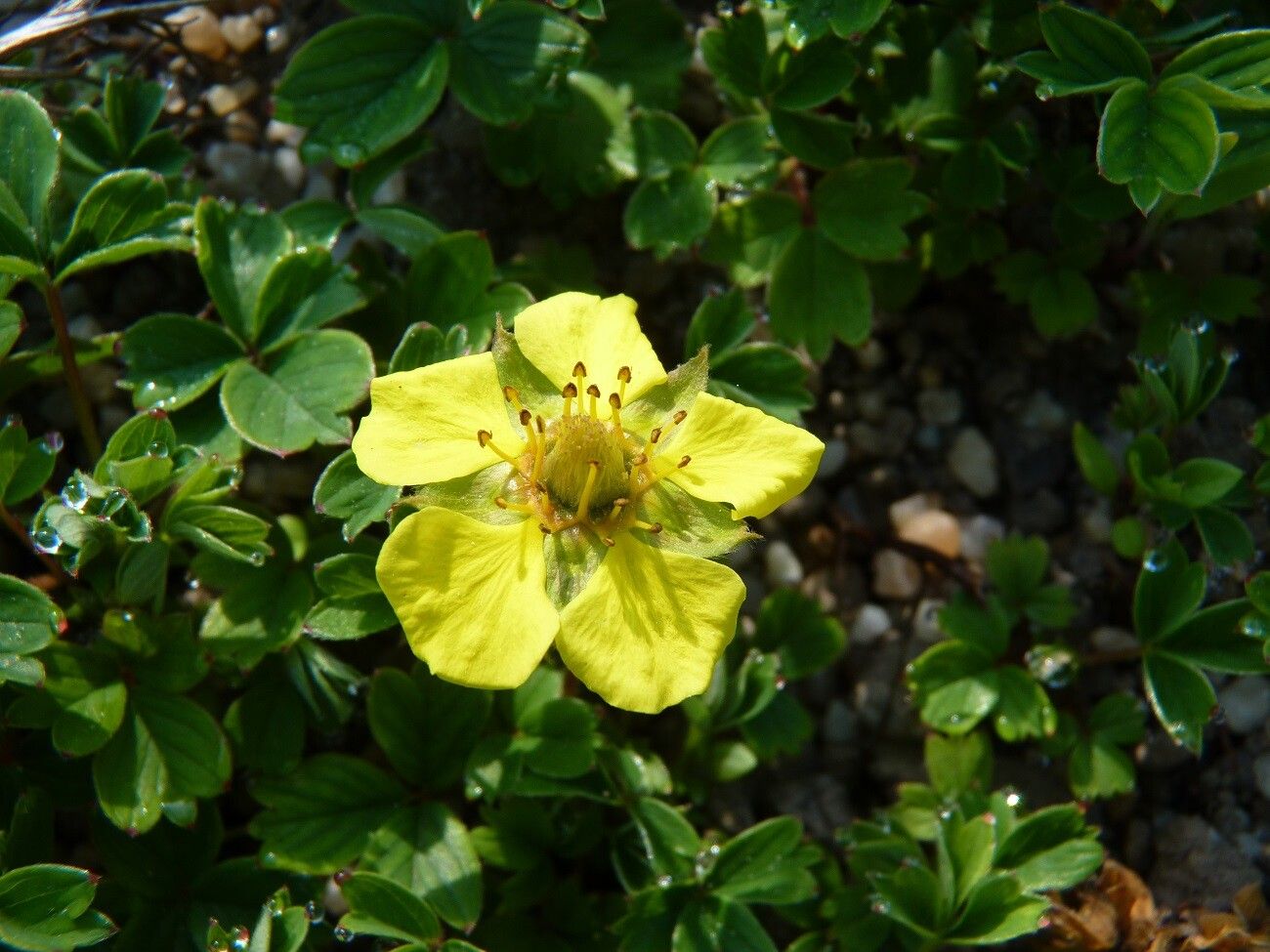
Tiny Treasures, Big Impact: A Guide to Propagating Sibbaldia cuneata
Sibbaldia cuneata, also known as “three-toothed cinquefoil,” may not be a household name in the gardening world, but this unassuming alpine plant deserves a spot in any rock garden or alpine trough. With its delicate, three-lobed leaves and cheerful yellow flowers, Sibbaldia cuneata adds a touch of understated elegance to any landscape. But beyond its visual appeal, Sibbaldia cuneata boasts an enduring hardiness, thriving in the kind of harsh, rocky conditions that would make most other plants wither.
If you’re looking to invite this tenacious beauty into your garden, propagation is key. While Sibbaldia cuneata isn’t typically found at your local nursery, getting your hands dirty with propagation is surprisingly straightforward and rewarding. Here’s what you need to know:
Method 1: Seed Propagation
- Timing is Key: Collect seeds from mature plants in late summer or early fall.
- Cold Stratification: Mimic nature’s cycle by placing the seeds in a damp paper towel inside a sealed bag and refrigerating them for 4-6 weeks. This mimics winter conditions and encourages germination.
- Sowing Time: Once stratified, sow the seeds in a well-draining seed starting mix. Barely cover them with the mix and mist lightly.
- Patience is a Virtue: Germination can be slow, taking several weeks or even months. Maintain consistent moisture and provide bright, indirect light.
Method 2: Division
- When to Divide: Spring is the ideal time to divide established Sibbaldia cuneata plants.
- Divide and Conquer: Carefully dig up the plant, ensuring to retain as much of the root system as possible. Gently tease apart the roots, separating the plant into smaller sections. Each section should have healthy roots and shoots.
- Replanting: Replant the divisions in well-draining soil, ensuring the crown of the plant sits level with the soil surface. Water thoroughly and keep the soil consistently moist until the divisions are established.
Caring for Your New Propagations
Regardless of your chosen propagation method, here are some tips for success:
- Drainage is Key: Sibbaldia cuneata thrives in well-draining soil. Amend heavy clay soils with gravel or grit to prevent root rot.
- Sun Seeker: Provide your plants with full sun to partial shade.
- Water Wisely: While somewhat drought-tolerant once established, regular watering is important, especially during the first growing season. Allow the soil to dry slightly between waterings.
- Feeding is Optional: Sibbaldia cuneata is adapted to nutrient-poor soils and doesn’t require heavy fertilization. A light application of a balanced fertilizer in the spring is sufficient.
A Rewarding Endeavor:
Propagating Sibbaldia cuneata might require a touch of patience, but the rewards are well worth the effort. This resilient and charming alpine plant will bring a touch of rugged beauty to your garden for years to come. So, get your hands dirty, embrace the joy of propagation, and watch as your tiny treasures flourish.