
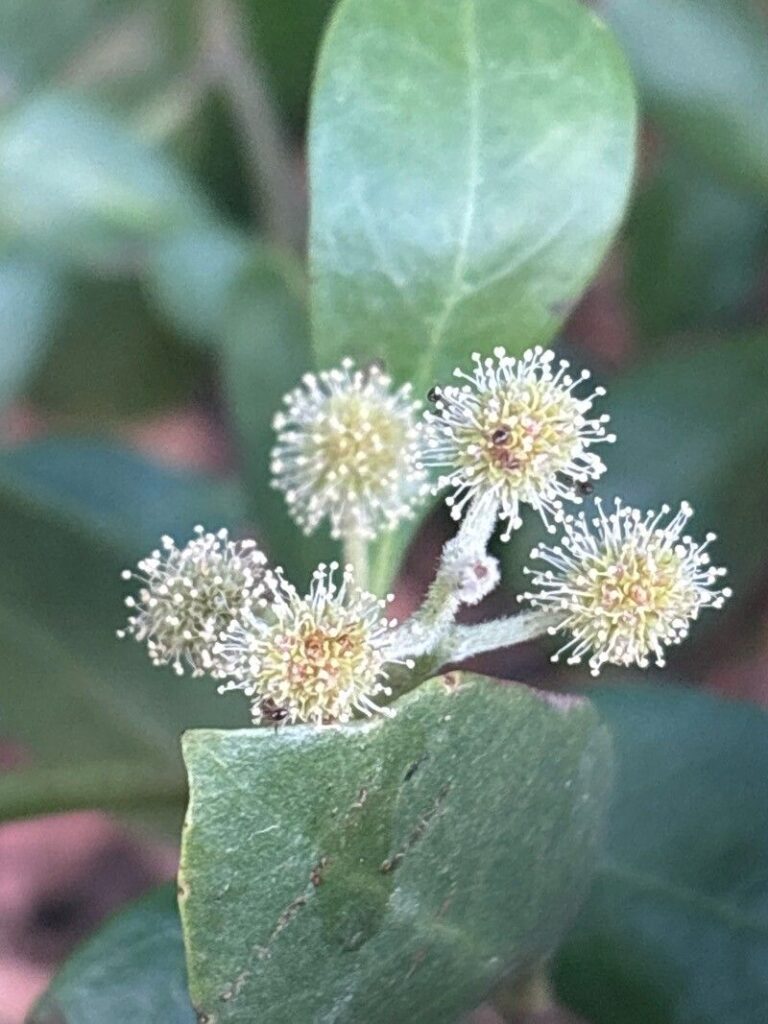
The Buttonwood’s Secret: How to Propagate a Resilient Coastal Gem
Conocarpus erectus, aka the Buttonwood, isn’t just a tough, beautiful tree that thrives in coastal areas. It’s also a surprisingly easy plant to propagate, opening the door for you to share its beauty or simply expand your own collection. Ready to discover the buttonwood’s secret? Let’s dive into the world of propagation!
The Power of Seeds: A Natural Approach
Mother Nature provides a simple, yet effective, way to propagate Buttonwood: seed propagation. Harvesting mature seeds is the first step. Collect the button-like fruits after they turn brown and dry. Once you have your seeds, remove the fleshy part and gently clean them. You can sow them directly into a seed tray filled with a well-draining seed-starting mix. Keep the medium moist, but not soggy, and position the tray in a warm, sunny spot.
Important Note: Buttonwood seeds can be quite slow to germinate, sometimes taking a few weeks or even months. Patience is key! Once your seedlings emerge, keep them well-watered and gradually acclimate them to outdoor conditions before planting them in a larger container or in the ground.
The Cutting Edge: A Faster Method
For those who prefer a quicker approach, cuttings offer a more efficient way to propagate Buttonwood. The magic lies in obtaining healthy stem cuttings, about 6-8 inches long, from a mature plant. Cuttings should be taken from softwood, the new growth on the current season’s branches. Remove the leaves from the bottom two inches of the cutting, leaving a few leaves at the top.
Next, you can dip the cut end in a rooting hormone powder, which is an optional but helpful step. This stimulates root development. Plant the cuttings into a rooting medium, like a mix of perlite and vermiculite, ensuring the bottom two inches are buried.
Keep the cuttings moist and in a warm, bright location, but avoid direct sunlight. Within a few weeks, you should start seeing root development. Once the cuttings are well-rooted, you can carefully transplant them to individual pots or your chosen outdoor location.
Tips for Success
No matter which method you choose, remember a few key points:
- Sunlight: Buttonwoods thrive in full sun, so ensuring your seedlings or cuttings have ample light is essential.
- Water: Keep the soil consistently moist, but avoid overwatering. Well-draining soil is crucial for preventing root rot.
- Patience: Propagation takes time, so don’t be discouraged if results aren’t instantaneous. Be patient, and your buttonwood cuttings will reward you with healthy new plants.
Enjoy the Rewards of Propagation
Propagating your own Buttonwood plants offers a sense of accomplishment and opens up exciting possibilities. You can use these plants to create dazzling hedges, fill gaps in your landscape, or even share them with friends and family, spreading the beauty of this resilient coastal tree far and wide. So, grab your tools, get ready to learn, and embark on your own buttonwood propagation journey! With a little effort and dedication, you’ll soon be surrounded by the lush foliage and elegant button-like fruits of this amazing coastal gem.