
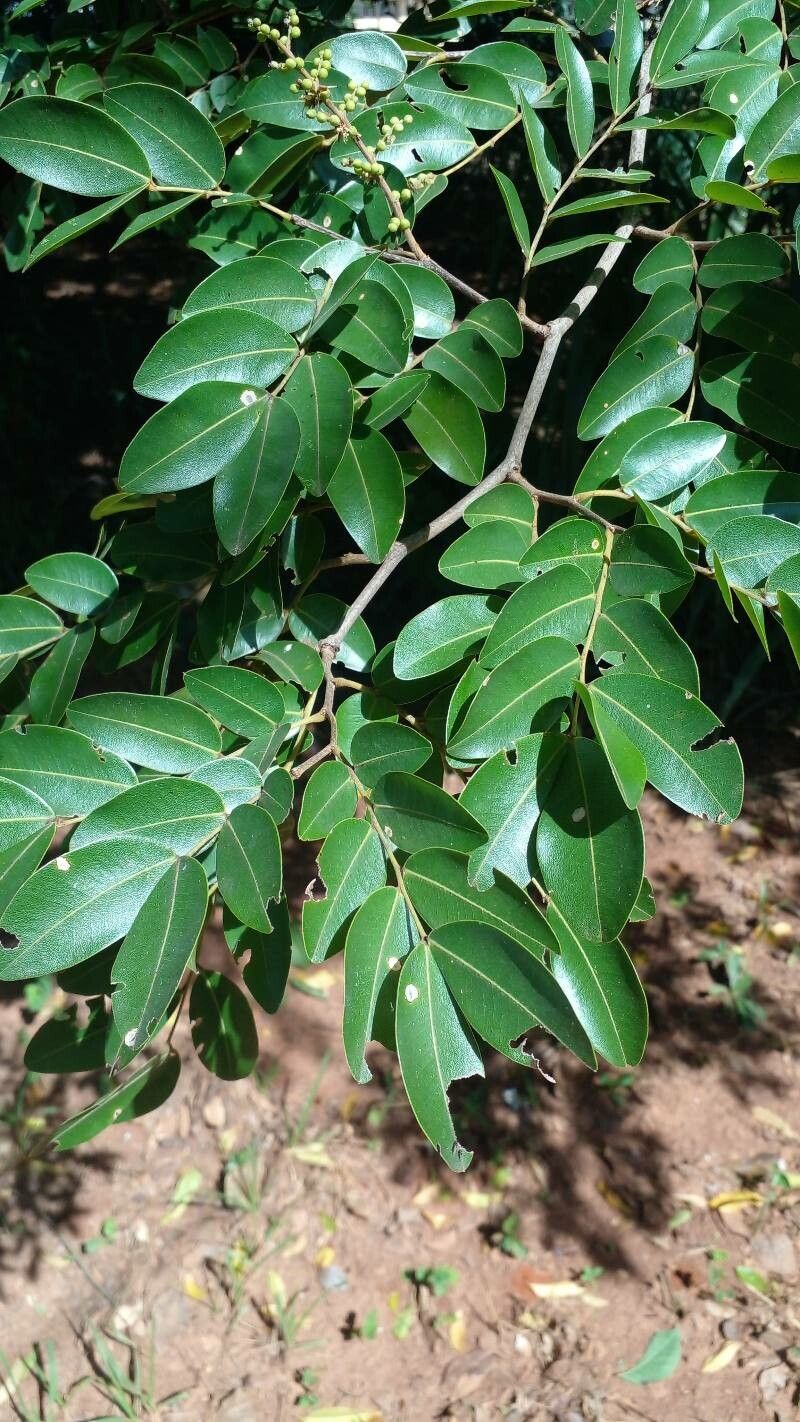
Cracking the Code: Propagating the Majestic Copaifera langsdorffii
The Copaifera langsdorffii, also known as the diesel tree or Copaiba, is a true marvel of nature. Native to South America, this majestic tree is renowned not only for its impressive stature but also for producing a unique oil with a myriad of traditional and modern applications.
If you’re captivated by the idea of cultivating this fascinating species, you’ll be pleased to know that propagating Copaifera langsdorffii, while not a walk in the park, is an achievable feat for dedicated enthusiasts. Let’s delve into the two primary methods:
1. Seed Propagation: The Path of Patience
As with many tree species, growing Copaifera langsdorffii from seed is the most common and economical approach. While it demands patience, witnessing the journey from tiny seed to flourishing sapling is a rewarding experience.
Here’s a step-by-step guide to get you started:
- Seed Selection: Source fresh, viable seeds from reputable suppliers. Copaifera langsdorffii seeds have a relatively short viability period, so freshness is crucial.
- Scarification: The seeds possess a hard outer shell that needs to be gently abraded to encourage water absorption and germination. This can be done by carefully rubbing the seed coat with sandpaper or a nail file.
- Soaking: Soak the scarified seeds in room temperature water for 24 hours to further enhance water uptake.
- Sowing: Plant the seeds in well-draining, fertile soil, about an inch deep. A mixture of peat moss, perlite, and vermiculite works well.
- Environment: Keep the soil consistently moist but not waterlogged. Provide warmth and humidity, mimicking the tropical conditions of their native habitat. A seedling heat mat can be beneficial.
- Germination: Be patient! Germination can take anywhere from a few weeks to a couple of months.
- Transplanting: Once the seedlings develop a strong root system and a few true leaves, they can be transplanted into larger pots or directly into the ground.
2. Cutting Propagation: A Faster, More Controlled Approach
For those seeking quicker results and desiring plant clones with identical characteristics to the parent tree, propagation through cuttings is a viable alternative. This method, however, demands a bit more expertise.
Here’s how to go about it:
- Cutting Selection: Select healthy, semi-hardwood cuttings from the current year’s growth. These cuttings should ideally be 6-8 inches long and have at least 2-3 nodes.
- Hormone Treatment: Dipping the base of the cuttings in rooting hormone powder significantly increases the chances of successful root development.
- Planting Medium: Similar to seed propagation, use a well-draining, sterile potting mix to prevent fungal diseases.
- Environment: Create a humid environment by covering the cuttings with a plastic bag or using a propagation dome. Maintain warmth and ensure indirect sunlight.
- Rooting: With proper care, roots should start developing within 4-8 weeks.
- Transplanting: Once the cuttings have developed a healthy root system, they can be transplanted into individual pots or directly into the ground.
Important Considerations:
- Copaifera langsdorffii thrives in tropical and subtropical climates with well-drained soil and ample sunlight.
- Ensure adequate watering, especially during the early stages of growth.
- Be patient! This majestic tree grows relatively slowly but rewards the dedicated cultivator with its beauty and valuable oil.
Propagating Copaifera langsdorffii is a fulfilling endeavor that allows you to connect with nature and contribute to the preservation of a valuable species. Whether you choose the rewarding journey of seed propagation or the more controlled approach of cuttings, the key is patience, dedication, and a passion for cultivating these magnificent trees.