
Unlocking the Secrets of Lindley’s Boneset: A Propagation Guide
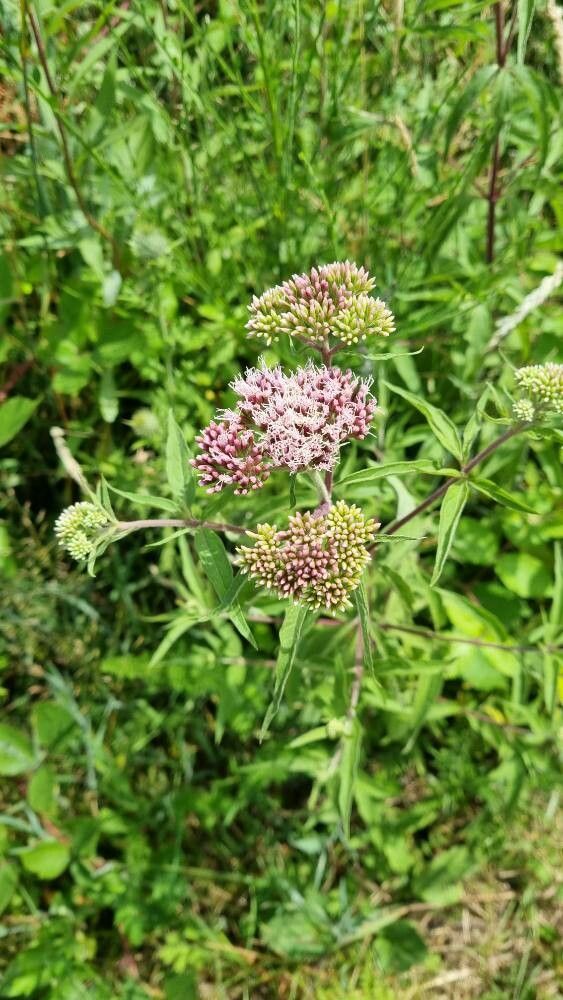
Lindley’s Boneset (Eupatorium lindleyanum), also known as Lindley’s Thoroughwort, is a charming perennial boasting delicate mauve flowers that grace gardens from late summer into fall. This East Asian native adds a touch of whimsical beauty with its airy blooms dancing atop sturdy stems. While admired for its ornamental value and ability to attract pollinators, propagating Lindley’s Boneset can feel like an enigma. But fear not! This comprehensive guide will demystify the process and empower you to multiply your stock, ensuring these floral treasures grace your garden for years to come.
Three Propagation Paths to Explore
Lindley’s Boneset offers a few avenues for propagation, each with its own advantages:
- Seed Starting:
- Best for: Adventurous gardeners seeking a budget-friendly option.
- When: Spring (after the last frost)
- Process: Collect seeds from dried flower heads in the fall and store them in a cool, dry place. Sow seeds in a well-draining seed starting mix, lightly pressing them into the surface. Keep the soil consistently moist but not waterlogged. Seedlings typically emerge within 2-3 weeks. Once they have several sets of true leaves, you can transplant them into individual pots or directly into your garden.
- Division:
- Best for: Quick results and invigorating mature plants.
- When: Spring or fall
- Process: Carefully dig up a healthy, established clump of Lindley’s Boneset. Using a sharp, clean knife or garden spade, divide the root ball into sections, ensuring each division has a good amount of roots and shoots. Replant the divisions at the same depth they were originally growing, water them well, and watch them flourish.
- Basal Cuttings:
- Best for: Producing genetically identical plants.
- When: Spring
- Process: Identify healthy, new shoots emerging from the base of the plant. Using a clean, sharp knife or pair of pruners, take cuttings that are 3-4 inches long and remove the lower leaves. Dip the cut end in rooting hormone (optional but beneficial) and plant the cuttings in a moist, well-draining potting mix. Cover the cuttings with a plastic bag or humidity dome to create a warm, humid environment. Roots typically develop within 4-6 weeks. Once the cuttings show signs of new growth, you can gradually acclimate them to outdoor conditions before transplanting.
Tips for Success:
- Soil and Sunlight: Lindley’s Boneset thrives in well-draining soil and full sun to partial shade.
- Watering: Keep the soil consistently moist, especially during the first growing season, but avoid overwatering which can lead to root rot.
- Fertilization: While not a heavy feeder, a light application of a balanced fertilizer in spring can encourage healthy growth.
Propagation: A Rewarding Journey
Propagating Lindley’s Boneset is a rewarding endeavor that allows you to expand your garden, share the joy of these charming plants with others, and deepen your connection with nature’s cycles. Whether you choose to start from seed, divide clumps, or take cuttings, remember to approach the process with patience and care. Soon, your garden will be brimming with the whimsical beauty of Lindley’s Boneset, a testament to your green thumb and propagation prowess!