
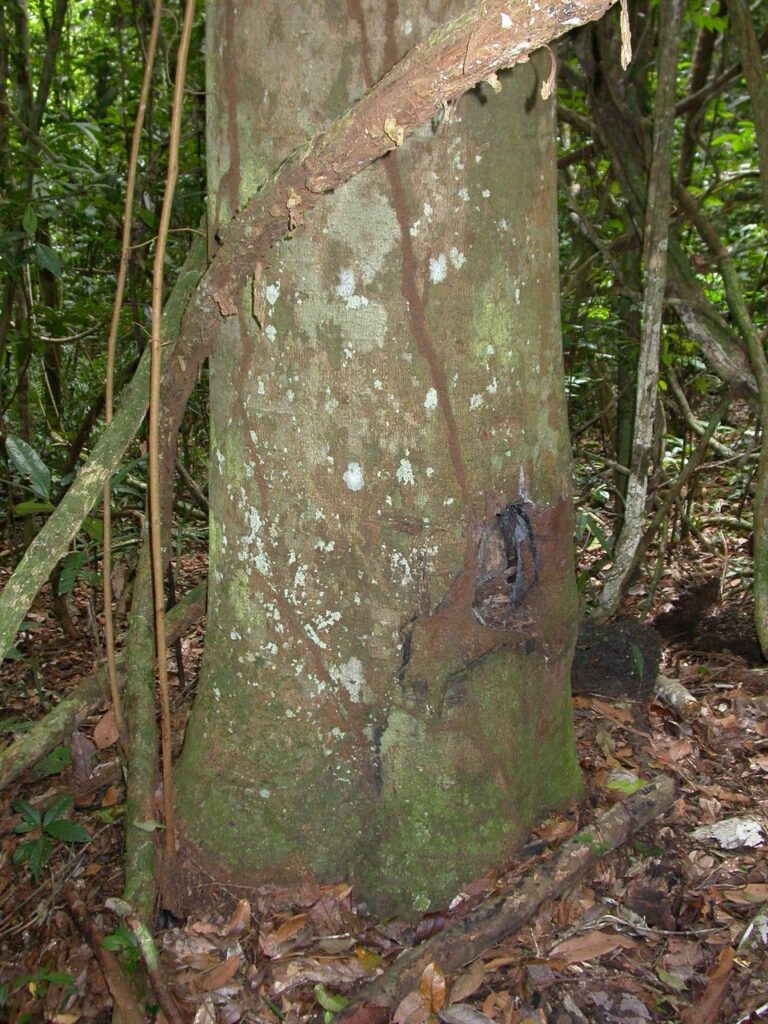
From Seed to Sapling: Unlocking the Secrets of Copaifera Officinalis Propagation
Copaifera officinalis, also known as Copaiba, is a majestic tree with a captivating history. This South American native has long been revered for its medicinal properties and aromatic resin, used for everything from traditional remedies to modern-day aromatherapy. But did you know you can cultivate this remarkable tree yourself? That’s right – propagation is a rewarding journey for anyone fascinated by the wonders of plants, and Copaifera officinalis is a fantastic species to explore.
The Power of Seeds:
The most common method for propagation is through seeds. Copaiba seeds can be readily obtained from mature trees, typically collected after the fruit ripens. The key to success lies in ensuring proper germination conditions:
- Scarification: Copaiba seeds possess a hard outer coat which inhibits germination. A process called scarification, which involves slightly damaging the seed coat, helps overcome this barrier. You can scarify seeds by gently nicking them with a sharp blade or soaking them in hot water for a brief period.
- Sowing and Sprouting: Once scarified, seeds should be sown in a well-draining potting mixture. Maintain consistent moisture, but avoid overwatering. Place the pot in a warm, bright area with indirect sunlight. Germination typically takes a few weeks, though it can sometimes take longer.
The Art of Cuttings:
For enthusiasts seeking a faster approach, cuttings can also be used to propagate Copaifera officinalis. This method involves taking a cutting from a healthy mature plant and encouraging root development:
- Gathering Your Material: Choose a healthy, young branch from the parent plant. Cuttings taken in the early spring or late summer have the best chance of success.
- Preparation is Key: Prepare your cutting by making a clean, sharp cut just below a leaf node. Remove any leaves that will be below the soil line.
- Rooted for Success: Dip the cut end in rooting hormone to stimulate root growth. Plant your cuttings in a well-draining potting mix and provide a humid environment, ensuring optimal growth conditions.
Beyond Success: The Crucial Care Factors:
Once your Copaiba seedlings or cuttings have established roots, it’s essential to provide them with the following care:
- Sunlight and Soil: Copaiba thrives in well-drained soil and requires full sun to partial shade. Ensure they are planted in a location where they receive ample sunlight.
- Watering: While Copaiba enjoys regular watering, it is susceptible to root rot. Ensure good drainage and adjust watering frequency based on the weather and soil moisture.
- Fertilization: Copaiba trees benefit from regular fertilization, especially during their active growth phase. Use a balanced fertilizer formulated for woody plants.
The Rewards of Cultivation:
Cultivating Copaifera officinalis is a rewarding experience. Watching these majestic trees grow from tiny seedlings brings a sense of accomplishment and appreciation for the natural world. Moreover, you can participate in sustainable harvesting practices by collecting the fragrant resin, which has a multitude of uses.
Whether you’re an experienced horticulturalist or a curious beginner, exploring the world of plant propagation with Copaifera officinalis is a journey worth embarking on. This extraordinary tree holds the promise of beauty, medicinal applications, and a deeper connection to the fascinating world of plants. So, take the leap, unlock the secrets of propagation, and embrace the magic of this remarkable species.