
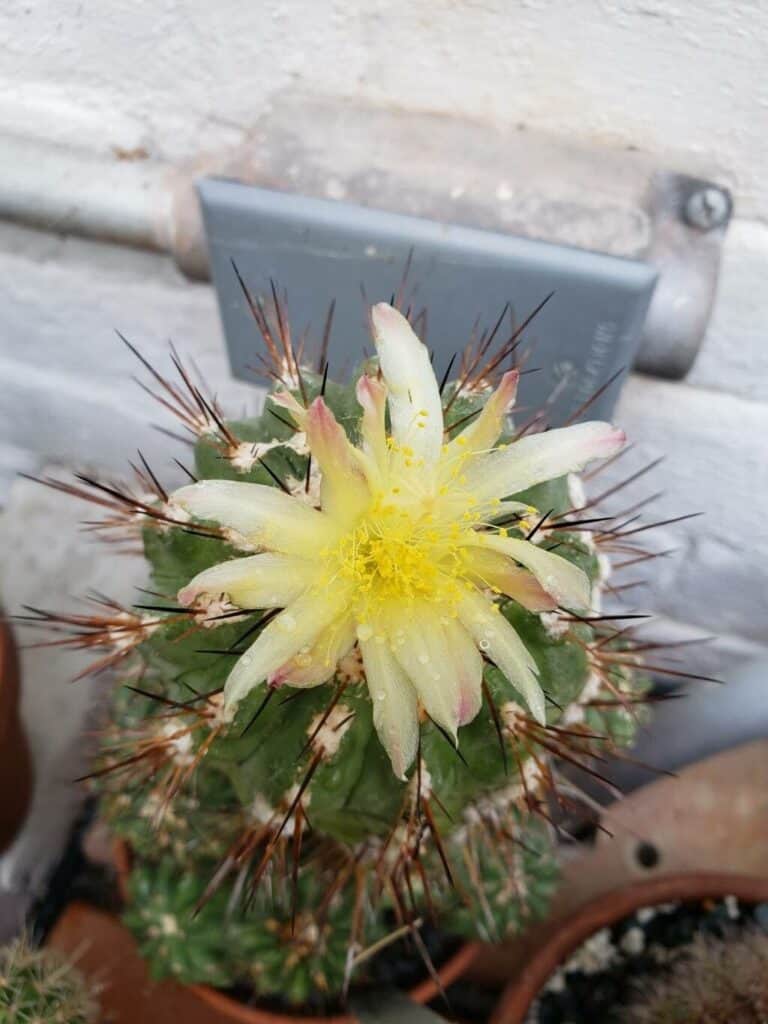
Conquering the Mountain: Propagating Copiapoa montana
The Copiapoa montana, with its otherworldly beauty and reputation for being a tad challenging, holds a special allure for cactus enthusiasts. Native to the arid mountains of Chile, this slow-growing globular cactus captivates with its chalky, often ashy epidermis and vibrant yellow blooms. Though caring for a mature Copiapoa montana can be relatively straightforward, propagating these beauties can feel like scaling a miniature mountain. But fear not, fellow plant lovers, with the right knowledge and a dash of patience, you too can summit this propagation peak!
Two Paths to Ascend: Seeds vs. Offsets
There are two primary routes to propagate Copiapoa montana:
- Seeds: The more adventurous (and time-consuming) route.
- Offsets: A faster approach, but one that requires a mature plant already producing pups.
Let’s explore each method in detail:
Seed Starting: A Test of Patience
1. Gathering Seeds:
- You can purchase seeds from reputable suppliers, ensuring freshness and higher germination rates.
- If you’re fortunate enough to possess a flowering Copiapoa montana, cross-pollination with another plant (or self-pollination, though less reliable) can yield seeds.
2. Sowing the Seeds: - Use a well-draining seed starting mix formulated for cacti and succulents.
- Moisten the mix thoroughly before evenly scattering the seeds on the surface.
- Do not bury the seeds! They need light to germinate.
3. Creating a Mini-Greenhouse: - Cover the container with a humidity dome or clear plastic wrap to retain moisture and heat.
- Place the container in a bright location, but out of direct sunlight, maintaining temperatures between 70-75°F (21-24°C).
4. Germination and Beyond: - Germination can take anywhere from a few weeks to several months. Patience is key!
- Once seedlings emerge, gradually reduce humidity by creating small vents in the covering.
- Water carefully, allowing the soil to dry out completely between waterings.
- Once seedlings are large enough to handle (about the size of a pea), transplant them into individual pots.
Offset Propagation: A Quicker Ascent
1. Identifying and Removing Offsets:
- Mature Copiapoa montana often produce small offsets, or pups, at their base.
- Choose offsets that are at least 1/3 the size of the mother plant and have developed their own roots.
- Carefully twist and remove the offset from the mother plant, ensuring a clean separation.
2. Callusing is Key: - Allow the wound on both the offset and the mother plant to callus over completely in a warm, dry location for a week or two. This prevents rot.
3. Potting the Offset: - Plant the callused offset in a well-draining cactus mix, burying it just deep enough to stand upright.
- Water sparingly, allowing the soil to dry out completely between waterings.
- Place the potted offset in bright, indirect light.
Important Notes for Success:
- Well-draining Soil: This is crucial for all stages of Copiapoa montana growth, preventing root rot.
- Bright, Indirect Light: Mimic their natural environment. Avoid intense, direct sunlight, especially for young plants.
- Water Sparingly: Overwatering is a common mistake. Allow the soil to completely dry out between waterings.
Propagating Copiapoa montana is a rewarding journey, demanding patience and careful observation. By understanding their needs and following these guidelines, you can increase your chances of success and enjoy watching these captivating cacti thrive for years to come.