
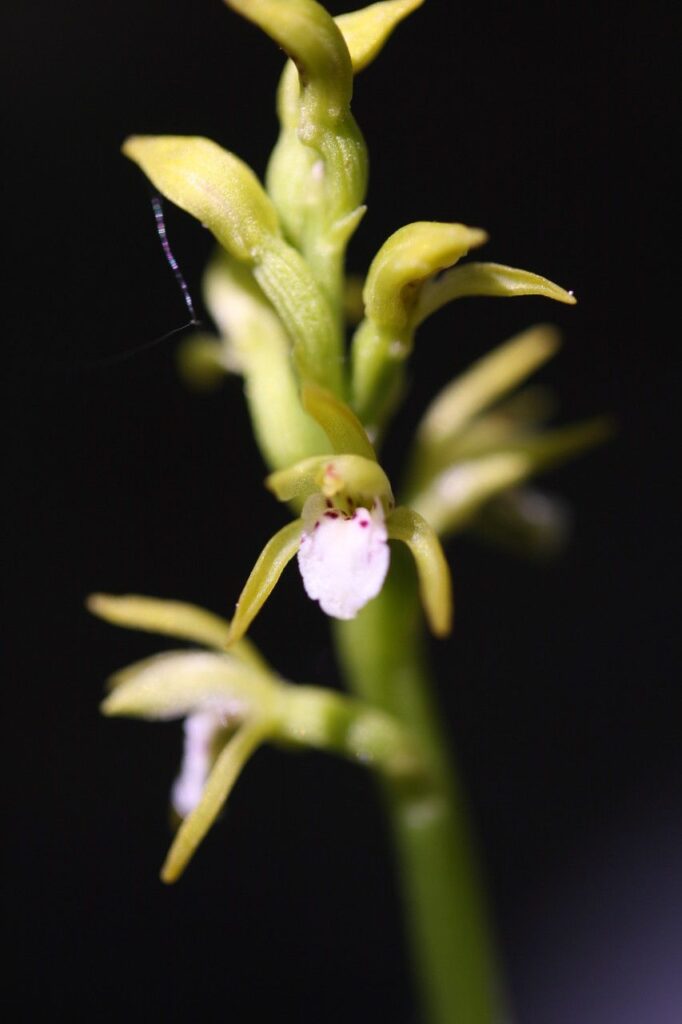
The “Coralroot Conundrum”: Unraveling the Mystery of Propagating Corallorhiza trifida
The plant kingdom is full of surprises, and few are as intriguing as the enigmatic Corallorhiza trifida, commonly known as the Early Coralroot Orchid. Unlike your typical garden variety plants, this delicate orchid lacks chlorophyll and survives through a fascinating partnership with underground fungi. This unique lifestyle, while captivating, presents a unique challenge for propagation.
Understanding the Coralroot’s Underground Alliance
Before we delve into propagation, it’s crucial to understand what makes Corallorhiza trifida so special. Lacking chlorophyll, this orchid cannot produce its own food through photosynthesis. Instead, it forms a symbiotic relationship with mycorrhizal fungi residing in the soil. The fungi provide the orchid with essential nutrients drawn from decaying organic matter, and in return, the orchid likely offers sugars it obtains from the fungi.
This dependence on specific fungi makes Corallorhiza trifida incredibly sensitive to environmental changes and significantly complicates traditional propagation methods.
The Challenges of Propagating a Mycoheterotroph
Because of its reliance on specific mycorrhizal fungi, propagating Corallorhiza trifida outside its natural habitat proves extremely difficult. Here’s why:
- Specificity: The orchid relies on a specific type of mycorrhizal fungi, which may not be readily available or easy to cultivate.
- Complexity: Replicating the intricate balance of the symbiotic relationship in a controlled setting is a complex undertaking.
- Sensitivity: Corallorhiza trifida is incredibly sensitive to disturbances. Transplanting from the wild often results in the disruption of the delicate fungal network, leading to the orchid’s demise.
Ethical Considerations and Alternatives
Given the challenges and potential harm to wild populations, attempting to propagate Corallorhiza trifida for personal gardens is highly discouraged. Removing plants from their natural habitat can disrupt delicate ecosystems and contribute to their decline.
Instead of propagation, consider these alternatives:
- Observation and Appreciation: The best way to enjoy Corallorhiza trifida is in its natural habitat. Observe its unique beauty, learn about its fascinating life cycle, and leave it undisturbed for future generations to appreciate.
- Habitat Restoration and Conservation: Support efforts to protect and restore the orchid’s natural habitat. By preserving its environment, we ensure the survival of this fascinating species.
The Takeaway
While the idea of cultivating this unique orchid in a home garden is tempting, it’s crucial to prioritize the well-being of Corallorhiza trifida and its ecosystem. Instead of propagation, we should focus on appreciating its beauty in the wild and supporting conservation efforts that ensure its long-term survival.