
Propagating Cordia glabrata: A Gardener’s Guide to the Geiger Tree
Introduction:
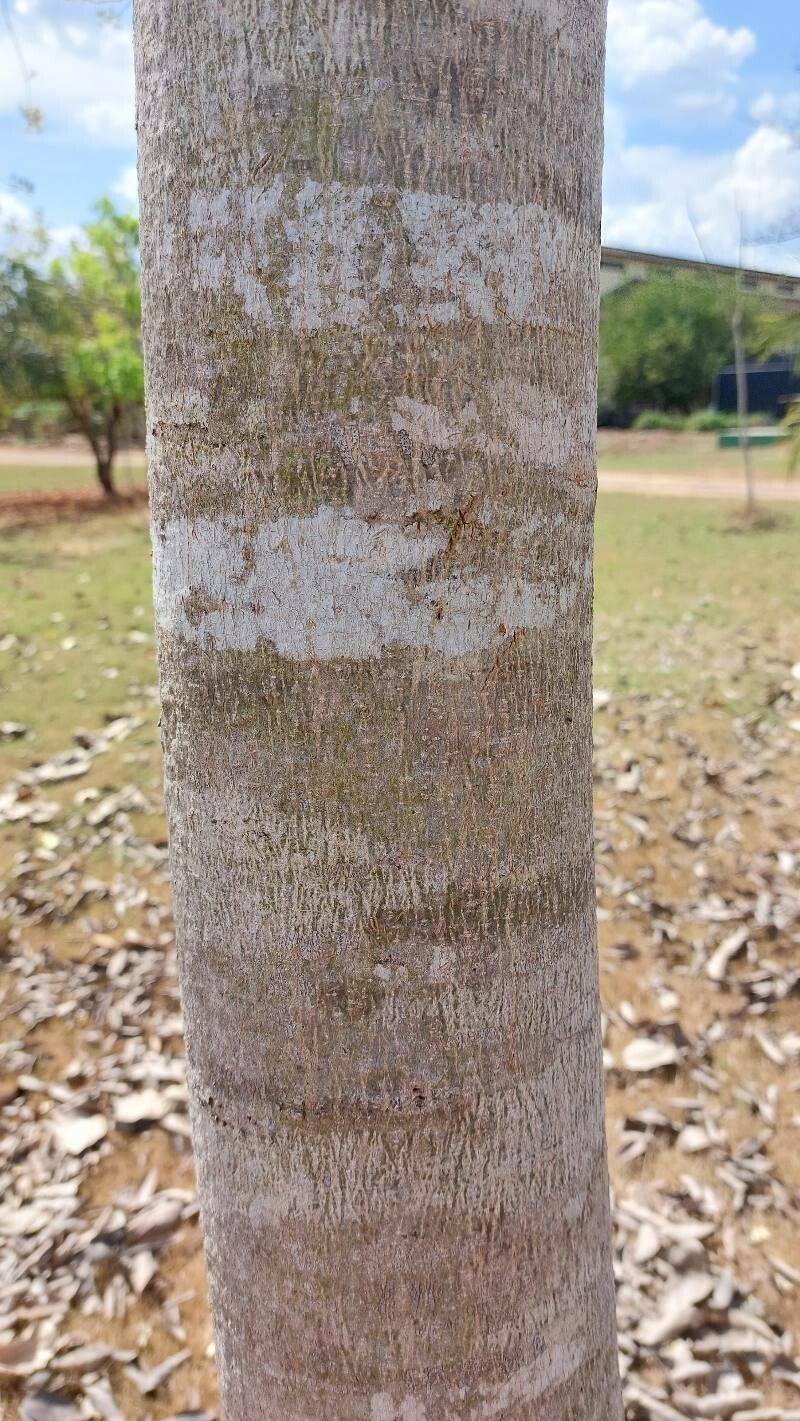
Cordia glabrata, commonly known as the Geiger tree, is a captivating tropical and subtropical species prized for its attractive, rough-textured bark, fragrant white flowers, and attractive, often purplish, fruits. Its relatively rapid growth and tolerance of various soil types make it a popular choice among gardeners, particularly those seeking a fast-growing shade tree or a specimen plant to add visual interest to their landscape. However, propagation of Cordia glabrata presents some unique challenges, making successful cultivation a rewarding experience.
Seed Germination:
Seed germination is a viable method for propagating Cordia glabrata, although it presents some challenges. Seeds often exhibit a period of dormancy. Pre-treatment, such as scarification (nicking the seed coat) or stratification (a period of cold, moist storage), can improve germination rates.
Challenges: Low germination rates are common if seeds are not properly prepared. The seeds are also susceptible to fungal diseases, particularly if sown in overly moist conditions.
Practical Tips: Sow seeds in well-draining seed-starting mix. Scarify seeds lightly to break the hard seed coat. Consider a brief stratification period (e.g., 4-6 weeks at 4°C) before sowing. Maintain consistently moist (but not waterlogged) conditions and provide ample sunlight or warmth depending on your environment.
Rewards: Successful germination offers the advantage of genetic diversity, potentially yielding a wide range of plant variations. It also allows for large-scale propagation if a plentiful supply of viable seeds is secured.
Cuttings:
Cuttings are another feasible method for propagating Cordia glabrata. However, success depends heavily on technique and environmental conditions.
Challenges: Rooting can be slow and unreliable unless appropriate rooting hormones and environmental conditions are provided. Hardwood cuttings generally have a lower success rate than semi-hardwood cuttings.
Practical Tips: Use semi-hardwood cuttings taken from actively growing shoots in spring or summer. Treat the base of the cuttings with a rooting hormone. Plant in a well-draining, moist rooting medium (e.g., perlite and peat moss mix) and maintain high humidity (e.g., using a humidity dome or misting regularly).
Rewards: Cuttings produce genetically identical offspring, preserving desirable traits of the parent plant. This is particularly useful if you have identified a superior plant.
Division:
Division is generally not a practical method for propagating Cordia glabrata as its root system is deep and difficult to divide without causing significant damage to the parent plant. It is therefore not recommended.
Tissue Culture:
While tissue culture is a possibility for mass propagation of Cordia glabrata, it requires specialized equipment, expertise, and a controlled sterile environment, making it less accessible to the average home gardener.
Challenges: Requires specialized knowledge, equipment, and sterile laboratory conditions. Success is highly dependent on careful media preparation and aseptic techniques.
Practical Tips: This procedure is best left to professionals or well-equipped enthusiasts with experience in plant tissue culture.
Rewards: Tissue culture offers the highest potential for large-scale propagation of disease-free and genetically uniform plants.
Conclusion:
Propagating Cordia glabrata presents varying degrees of challenge depending on the chosen method. Seed germination and cuttings offer viable options for home propagation, although patience and attention to detail are crucial for success. While seed germination offers genetic diversity, cuttings maintain desirable plant traits. The difficulty in propagation, however, only serves to enhance the satisfaction of successfully establishing a new Geiger tree. The rewards – a beautiful and relatively low-maintenance tree in your garden – are worth the effort. Remember to experiment, learn from setbacks, and enjoy the journey of growing this remarkable plant. With careful technique and persistence, the satisfying achievement of a successfully propagated Cordia glabrata is within reach.