
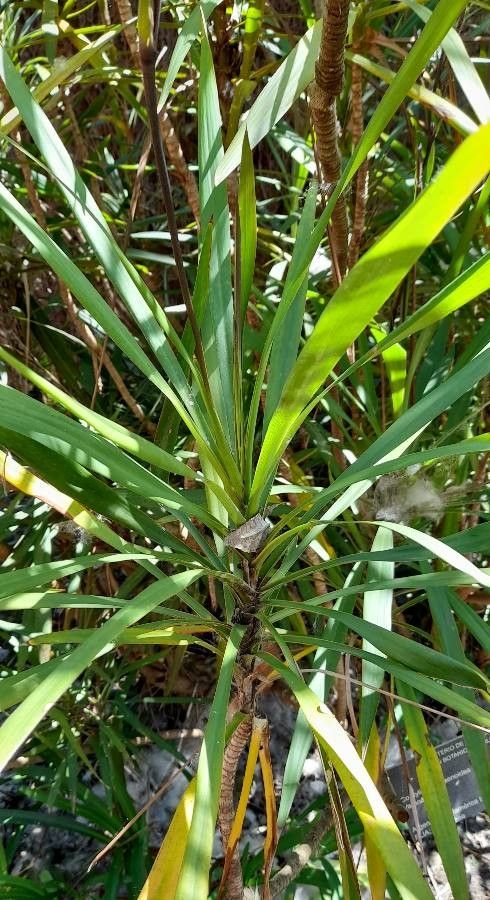
Cordyline Congesta: From One Plant to Many – A Guide to Propagation
Looking to expand your tropical garden without breaking the bank? Cordyline congesta, with its stunning foliage and dramatic branching habit, makes a beautiful statement. But did you know you can easily create more of these beauties at home? Propagation unlocks the secret to multiplying your Cordyline congesta plants, turning one into a flourishing multitude.
Why Propagate Cordyline Congesta?
Firstly, propagation is an incredibly economical way to expand your collection. Starting new plants from cuttings is significantly cheaper than purchasing them from nurseries. Secondly, it allows you to share the beauty of this plant with friends and family, gifting them a piece of your green oasis. Finally, propagation is a rewarding experience, allowing you to witness the magic of plant life as a cutting transforms into a lush, thriving plant.
Methods of Propagation
1. Stem Cuttings: This is the most common and straightforward method for Cordyline congesta. Here’s how:
- Select a healthy stem: From a mature plant, choose a stem that is at least 6 inches long and free of any diseases or pests.
- Make clean cuts: Use a sharp knife or pruning shears to cut the stem at a 45-degree angle.
- Remove lower leaves: Strip the leaves from the bottom 2-3 inches of the stem to create a bare section for rooting.
- Prepare the rooting medium: Use a well-draining mix like perlite, vermiculite, or a peat moss-based potting mix. You can also use water propagation, but this may take longer.
- Plant the cutting: Insert the cut end of the stem into the rooting medium, ensuring the bare section is buried.
- Keep it humid: Maintain consistent humidity around the cutting by covering it with a plastic bag or dome.
- Provide warmth and indirect light: Place the potted cutting in a warm, bright location with indirect sunlight.
- Patience is key: Root development can take several weeks to a few months. Keep the soil moist, but not soggy, and check for root growth periodically.
2. Air Layering: This technique allows you to root a new plant directly on the stem, while it is still attached to the parent plant.
- Choose a suitable branch: Select a healthy branch, preferably one with several leaves.
- Make a cut: Incise a ring of bark around the branch, approximately 1 inch in length.
- Apply rooting hormone: Apply a small amount of rooting hormone powder to the exposed area.
- Wrap with sphagnum moss: Cover the cut area with moist sphagnum moss and wrap it tightly with plastic wrap to seal in the moisture.
- Wait for roots: Leave the air layer undisturbed for several months, ensuring the sphagnum moss stays moist.
- Cut and pot: Once roots develop, you can gently sever the branch below the air layer and plant it in a pot filled with fresh potting mix.
Things to Remember
- Root hormone: Using a rooting hormone can significantly enhance the rooting process and increase the chances of success.
- Sterilize your tools: Ensure your cutting tools are sterilized before use to prevent the spread of diseases.
- Avoid direct sunlight: Protect the cuttings from direct sunlight, as it can be detrimental to their development.
- Keep it consistent: Consistency in watering and environmental conditions is crucial for successful propagation.
With these simple steps and a little patience, you can turn a single Cordyline congesta into a vibrant collection. This rewarding process allows you to enjoy the beauty of these plants in greater abundance, creating a lush and tropical haven in your home.