
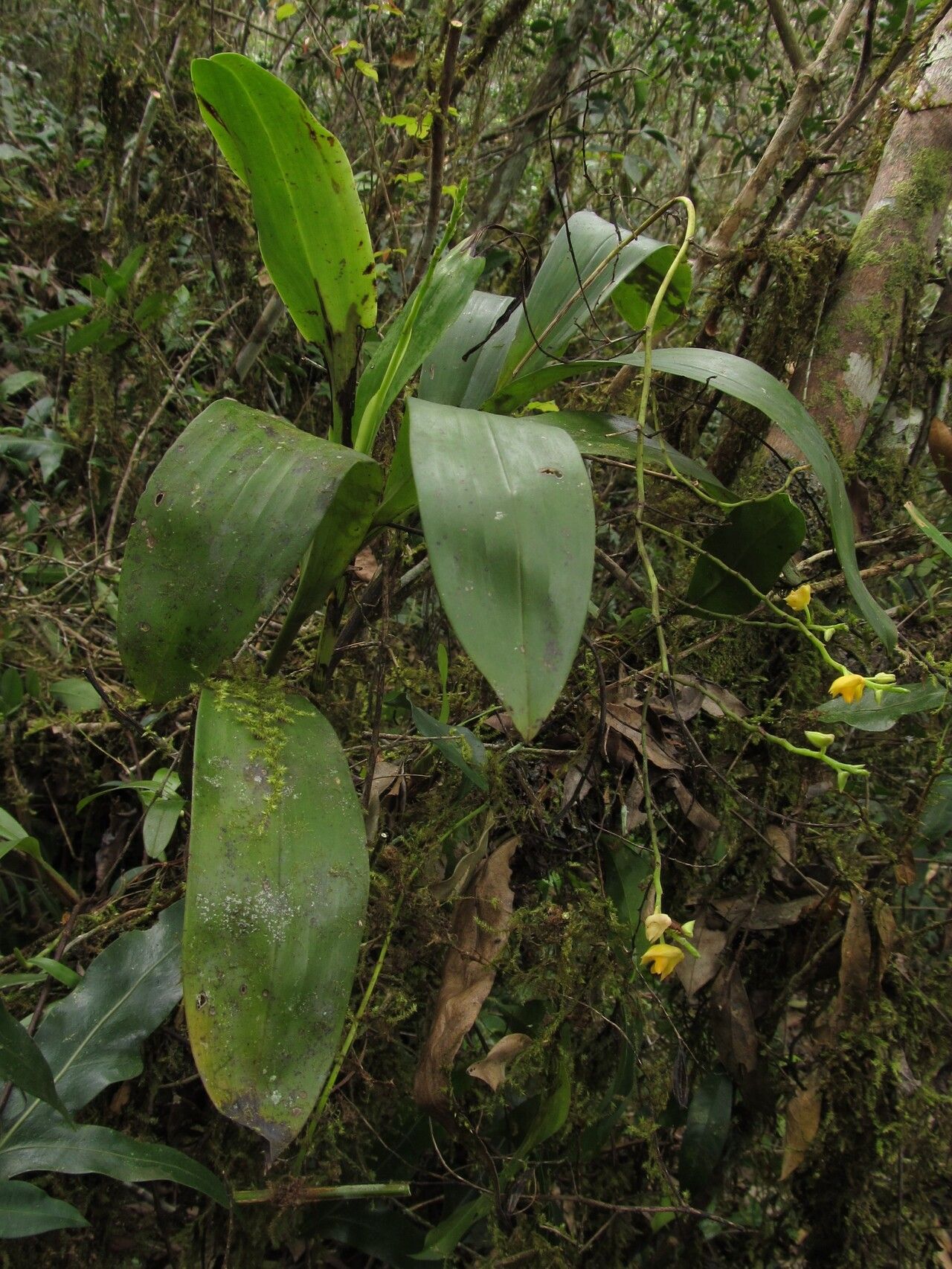
Unleashing the Beauty of Polystachya laxiflora: A Guide to Propagation
Polystachya laxiflora, with its dainty blooms and captivating fragrance, is a true gem for any orchid enthusiast. But what if you could share this beauty with friends, fill your home with more of its charm, or even create your own little orchid sanctuary? That’s where propagation comes in!
What is Propagation?
Think of propagation as plant cloning. It’s the art of creating new, identical plants from existing ones. For Polystachya laxiflora, propagation isn’t just a way to multiply your collection, it’s also a valuable tool for rejuvenating older plants and ensuring their continued health and vitality.
The Methods for Polystachya laxiflora Propagation
There are two main methods for propagating Polystachya laxiflora:
- Division: This technique involves gently separating a mature plant into multiple individual plants, each with its own root system. It’s best performed during the dormant season (usually winter) when the plant is less stressed. To divide your plant, carefully remove it from its pot and gently tease apart the clump of pseudobulbs. Look for naturally occurring points of separation, ensuring each section has a healthy root system.
- Keiki: A keiki is a miniature version of the parent plant that grows from a mature stem. Polystachya laxiflora sometimes produces these “baby” plants, offering an excellent opportunity for propagation. When a keiki develops its own roots, you can carefully detach it from the parent plant and pot it separately.
A Step-by-Step Guide to Propagation
Ready to try your hand at propagating Polystachya laxiflora? Here’s a step-by-step guide for both methods:
Division:
- Choose the right time: Wait until the plant is dormant (typically winter) to minimize stress.
- Gently remove the plant: Carefully remove the Polystachya laxiflora from its pot, trying not to disturb its roots too much.
- Separate the divisions: Identify natural points of separation, and divide the plant into multiple sections, making sure each has at least 3-4 pseudobulbs and healthy roots.
- Pot the divisions: Plant each division in a well-draining medium like orchid bark or a mix of orchid bark and perlite.
- Provide ideal conditions: Ensure proper lighting, humidity, and watering to encourage the divisions to grow and establish themselves.
Keiki:
- Patience is key: Allow the keiki to develop a good root system (at least 2-3 inches long).
- Gently detach: Carefully remove the keiki from the parent plant, making a clean cut with sharp, sterile scissors.
- Pot the keiki: Pot the keiki in a small pot filled with the same medium used for the parent plant.
- Provide care: Maintain appropriate light, humidity, and watering to help the keiki flourish.
Important Tips for Success:
- Sterile tools: Use sterilized tools to prevent infection or disease during division or keiki removal.
- Proper potting medium: Avoid dense potting mixes that can retain too much moisture.
- Warm and humid environment: Polystachya laxiflora thrives in a warm, humid environment, ensuring optimal growth conditions after propagation.
- Patience and observation: Be patient! It takes time for propagated plants to establish themselves.
Enjoy Your New Polystachya laxiflora Plants!
Propagating Polystachya laxiflora is a rewarding experience, multiplying your orchids and spreading their beauty. Remember to provide your new plants with the right care, and watch as they flourish into healthy, vibrant additions to your collection.