
Propagating the Brazilian Ti Plant: A Gardener’s Guide to Cordyline sellowiana
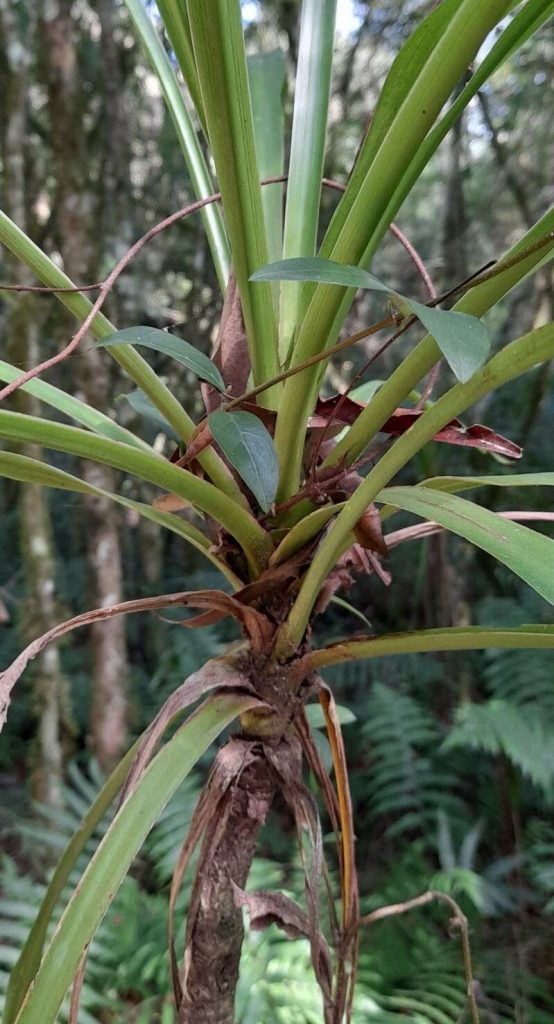
Cordyline sellowiana, commonly known as the Brazilian Ti plant or “Cordyline”, is a striking evergreen shrub prized for its sword-like, vibrant foliage. Its deep green leaves, often tinged with reddish-purple, especially on younger growth, and its ability to tolerate a range of conditions make it a popular choice among gardeners, landscapers, and plant enthusiasts. While relatively low-maintenance, propagating Cordyline sellowiana can present some unique challenges, making successful propagation all the more rewarding. This article explores various methods, weighing their pros and cons.
Seed Germination:
Currently, there are no known reliable methods for seed germination propagation of Cordyline sellowiana. While the plant does produce seeds, germination rates are incredibly low, and the process is generally considered unreliable and impractical for home propagation.
Cuttings:
This method is the most common and reliable way to propagate Cordyline sellowiana.
Challenges: Root development can be slow, and the cutting may be susceptible to rot if not carefully managed.
Practical Tips: Take stem cuttings, ideally 4-6 inches long, from semi-hardwood growth in spring or summer. Remove lower leaves to prevent rotting. Dip the cut end in rooting hormone powder. Plant cuttings in a well-draining mix of perlite and peat moss, keeping the soil consistently moist but not waterlogged. Use a humidity dome or plastic bag to create a humid environment. Root development usually takes several weeks to a few months.
Rewards: This is a relatively straightforward and efficient method for producing multiple plants genetically identical to the parent plant, preserving desirable traits.
Division:
Division is another viable option, particularly for established, larger plants.
Challenges: Requires a mature, well-rooted plant. Care must be taken to avoid damaging the roots during separation.
Practical Tips: Carefully dig up the mother plant and gently separate the clumps, ensuring each division has a healthy portion of roots and foliage. Replant divisions immediately in well-prepared soil, ensuring adequate spacing. Water thoroughly and provide shade until established.
Rewards: Division is a quick method to increase the number of plants and can be less labor intensive than taking countless cuttings.
Tissue Culture:
Tissue culture is a more advanced technique, requiring specialized equipment and sterile conditions.
Challenges: This method requires a significant investment in equipment and expertise, making it impractical for most home gardeners. Sterile conditions are critical to prevent contamination.
Practical Tips: This technique involves growing plantlets from small pieces of plant tissue in a nutrient-rich agar medium under controlled conditions. While efficient for mass propagation, it’s best left to nurseries and commercial growers.
Rewards: Extremely efficient for producing a large number of genetically identical plants in a short period. Also suitable for virus elimination in mother plants.
Conclusion:
Propagating Cordyline sellowiana presents varied challenges depending on the chosen method. While seed propagation is largely unreliable, cuttings offer a relatively straightforward and successful approach for home gardeners. Division is another viable option for larger, mature plants. Tissue culture, although efficient for mass production, demands specialized knowledge and resources.
The unique satisfaction gained from successfully nurturing a Cordyline sellowiana cutting from a small stem into a thriving plant is a testament to patience and dedication. The vibrant foliage rewarding the gardener for their efforts. Choosing a propagation method will depend on your resources, experience, and the number of plants you desire. So, embrace the challenge, experiment with the processes, and enjoy the rewarding journey of cultivating these stunning plants.