
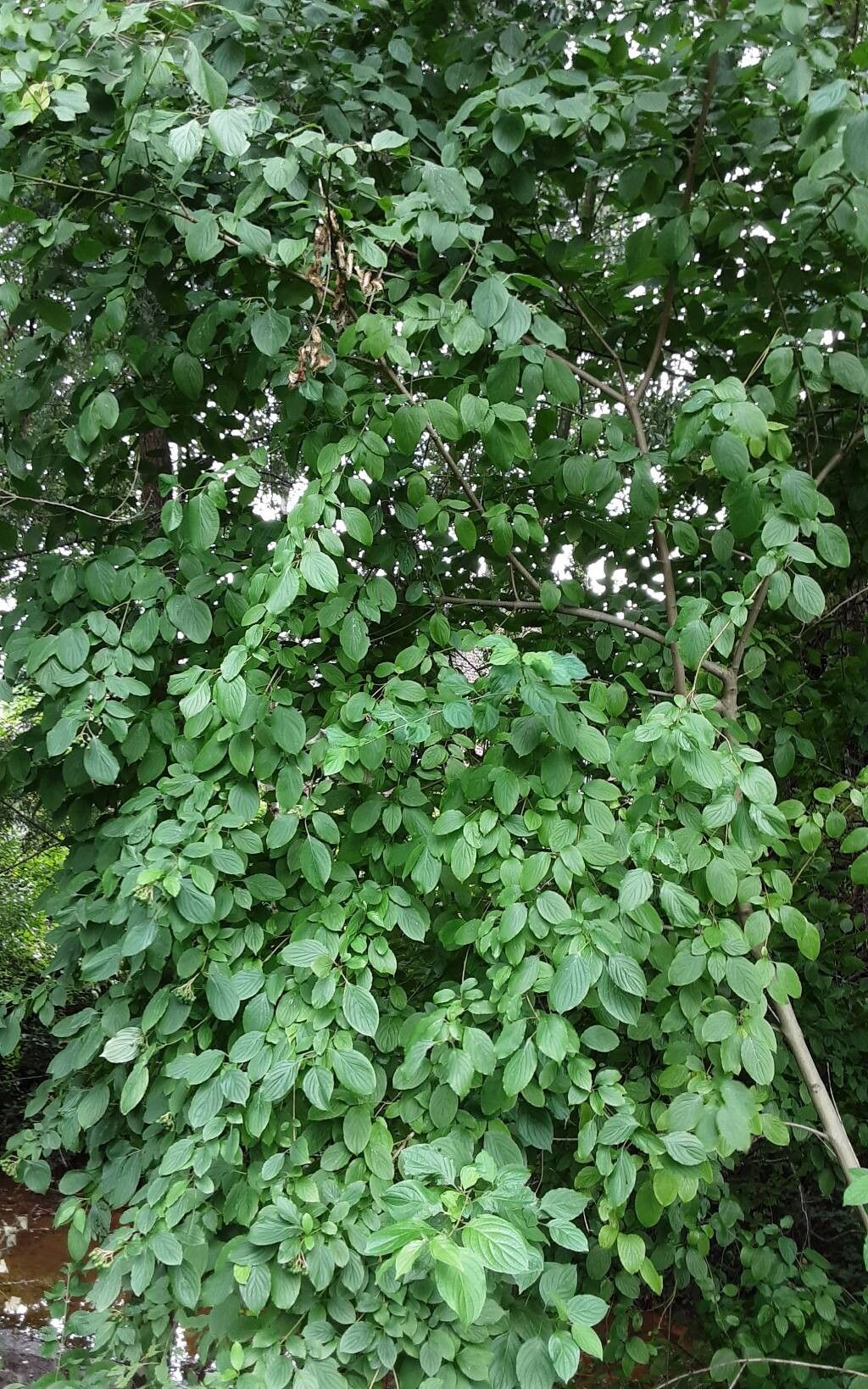
Propagating the Pagoda Dogwood (Cornus alternifolia): A Gardener’s Guide
Introduction:
Cornus alternifolia, commonly known as Pagoda Dogwood, is a captivating deciduous shrub renowned for its distinctive horizontal branching habit, creating a tiered, pagoda-like structure. Its delicate, white flowers in late spring, followed by bluish-black berries, add to its ornamental appeal. This makes it a highly sought-after addition to gardens, particularly in woodland settings or as a specimen plant. While its beauty is widely appreciated, propagating Pagoda Dogwood can present some unique challenges, demanding patience and specific techniques.
Seed Germination:
Currently, there are no known reliable methods for seed germination propagation of Cornus alternifolia. While seeds are produced, germination rates are notoriously low and inconsistent, often requiring specialized techniques with uncertain success. The long dormancy period and the need for specific environmental conditions make seed propagation impractical for the average gardener.
Cuttings:
Cuttings offer a more reliable approach to propagating Cornus alternifolia.
Challenges: Hardwood cuttings are generally preferred, but success rates can vary. The cuttings’ ability to root efficiently is influenced by factors like the timing of taking the cuttings (late fall/early winter), the use of rooting hormone, and maintaining appropriate humidity and temperature during the rooting phase.
Practical Tips: Take 6-8 inch long cuttings from healthy, mature wood in late autumn. Dip the cut ends in a rooting hormone powder and plant them in a well-draining mix (e.g., perlite and peat moss). Maintain consistently moist conditions (but not waterlogged) and high humidity, perhaps utilizing a humidity dome or propagator. Rooting takes several months, and patience is key.
Rewards: Cuttings provide a faster way to propagate selected cultivars, ensuring that desirable traits are preserved. This method is more efficient than division for multiplying smaller numbers of plants.
Division:
Division is a viable method, particularly for established plants.
Challenges: Successfully dividing a Pagoda Dogwood requires careful handling to avoid damaging the roots. It’s crucial to select a healthy, well-established plant that’s large enough to be divided. Dividing too small a section can stress the plant, leading to failure.
Practical Tips: Division is best done in early spring or late autumn. Dig up the entire plant, carefully separating the root ball into multiple sections, each with its own established root system and several stems. Replant the divisions in well-prepared soil, ensuring sufficient spacing for future growth. Water thoroughly after planting.
Rewards: Division is a relatively straightforward method, offering a quicker path to new plants than cuttings. It also provides a reliable way to increase plant numbers and maintain characteristics from a parent plant.
Tissue Culture:
Tissue culture techniques are a possibility, though less accessible to home gardeners.
Challenges: Tissue culture requires specialized equipment, a sterile environment, and a thorough understanding of plant tissue culture protocols. Developing a successful protocol for Cornus alternifolia may require experimentation and is not a beginner-friendly approach.
Practical Tips: This is best left to professionals or experienced hobbyists with access to the necessary equipment and expertise. Sterile environments, appropriate nutrient media, and hormonal regulation are critical for success.
Rewards: This method allows for large-scale propagation of disease-free plants and the preservation of genetic material.
Conclusion:
Propagating Cornus alternifolia presents various challenges, with seed propagation proving unreliable. Cuttings provide a practical option for the average gardener, while division offers a faster method for those with established plants. Tissue culture, although technically feasible, requires specialized expertise and resources. The rewards – whether preserving a favorite cultivar, expanding your garden, or the simple satisfaction of successfully nurturing a plant from a cutting – are well worth the effort invested. Remember, patience, attention to detail, and a little bit of trial and error are your best allies in cultivating this beautiful and unique plant. Do not be discouraged by initial setbacks; the success of propagating a Pagoda Dogwood reinforces the connections one builds with the natural world and the deep satisfaction of gardening.