
Propagating Honeybush: Unveiling the Secrets of Melianthus comosus
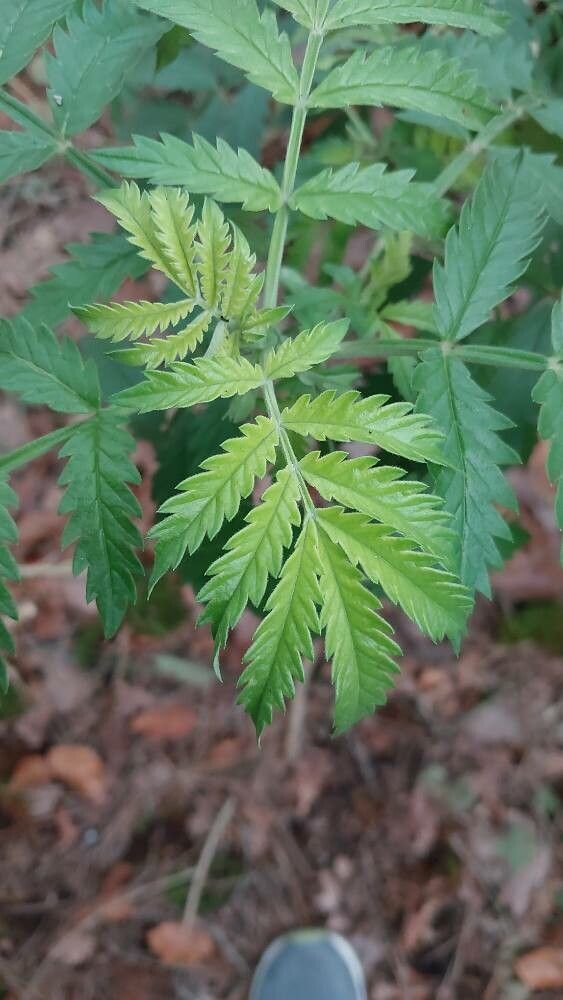
Melianthus comosus, commonly known as Honeybush, is a striking South African perennial prized for its large, deeply divided, greyish-green foliage and tall, reddish-brown flower spikes. Its unique appearance and relatively low maintenance requirements have made it a popular choice amongst gardeners worldwide. However, its propagation isn’t always straightforward, offering a rewarding challenge for the dedicated plant enthusiast. The plant’s unique resilience and adaptability contribute to its popularity, but also affect its propagation methods. Let’s explore various techniques:
Seed Germination:
Currently, there are no known reliable methods for seed germination propagation of Melianthus comosus. While seeds may occasionally germinate under ideal conditions, the process is unpredictable and germination rates are extremely low. Further research is needed to determine optimal germination conditions, potentially involving stratification or other pre-treatment techniques.
Cuttings:
This is the most reliable method for propagating Honeybush.
Challenges: Success relies heavily on timing and technique. Taking cuttings from actively growing stems is crucial. Using a rooting hormone significantly increases success rates.
Practical Tips: Semi-hardwood cuttings, taken in late spring or early summer, are ideal. Cuttings should be approximately 10-15 cm long, with lower leaves removed to prevent rotting. Dip the cut end in a rooting hormone powder, and plant in a well-draining propagation mix (e.g., a mix of peat moss and perlite). Maintain consistently moist, but not waterlogged, conditions and provide bottom heat (approximately 20-24°C) for optimal root development. High humidity, achieved through misting or using a propagation dome, is also beneficial.
Rewards: Cuttings offer a relatively quick way to produce genetically identical plants, preserving desirable traits from the parent plant. It’s also suitable for medium-scale propagation.
Division:
Division is a viable method, especially for established, mature plants.
Challenges: This method can be more disruptive to both the parent plant and the newly separated divisions, and may only be possible in ideal conditions. Large, well-rooted clumps are required, and incorrect division can severely damage the plants.
Practical Tips: Divide the plant in spring or autumn, carefully separating the root crown into sections, ensuring each division has a good amount of roots and healthy growth points. Replant the divisions promptly, using well-draining soil. Water moderately until new growth is apparent.
Rewards: This is quite straightforward once the plant is mature, offering propagation of the existing plant’s characteristics with minimal additional effort.
Tissue Culture:
While potentially suitable for large-scale commercial propagation, tissue culture is complex and requires specialized equipment and expertise.
Challenges: This method is far beyond the capabilities of the average home gardener, requiring sterile laboratory conditions and significant investment in resources and training.
Practical Tips: Lab-based tissue culturing isn’t something that can be covered concisely here due to its technical nature and required specialized equipment.
Rewards: High propagation rates are possible, along with disease eradication, offering a method of producing virus-free Honeybush plants.
Conclusion:
Propagating Melianthus comosus presents unique difficulties, with cuttings being the most accessible and reliable method for home gardeners. While seed propagation remains unreliable and tissue culture is largely impractical outside of a professional setting, division offers another option for those with mature plants. The challenges involved, from correctly timing cuttings to maintaining appropriate humidity levels, are balanced with the immense satisfaction of successfully establishing these impressive plants from either cuttings or division. The rewarding sight of newly rooted cuttings or thriving divisions more than compensates for the effort and patience required. Aspiring propagators are encouraged to start with cuttings, meticulously following the outlined steps to unlock the beauty and resilience of Honeybush in their gardens.