
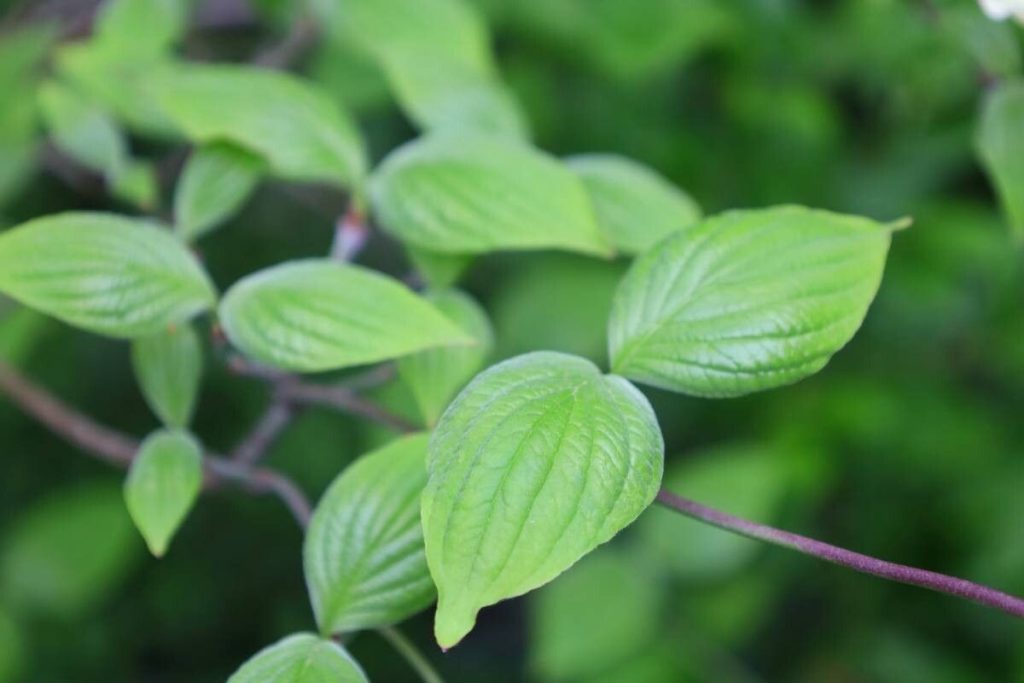
Propagating Cornus florida: Unveiling the Secrets of the Flowering Dogwood
Cornus florida, the flowering dogwood, is a beloved ornamental tree prized for its stunning springtime display of bracts – often mistaken for petals – in shades of white, pink, or red. Its graceful branching habit and attractive fall foliage add to its horticultural significance, making it a popular choice for landscapes across its hardiness zones. However, propagating this beautiful tree presents unique challenges. Its propagation methods vary widely in success rates and practicality, requiring patience and understanding of the plant’s specific needs.
Seed Germination:
Seed germination is a viable method for Cornus florida propagation, though it presents significant challenges. The seeds have a hard seed coat and require a period of stratification – a process mimicking winter conditions – to break dormancy and stimulate germination.
Challenges: Seeds exhibit variable germination rates, and the process can take up to 18 months or even longer. Improper stratification can lead to poor or no germination. Fungal diseases can also affect the seedlings.
Practical Tips: Collect seeds from ripe fruits in the fall. Remove the fleshy pulp and clean the seeds. Stratification should be carried out in moist peat moss or vermiculite at cool temperatures (around 40°F/4°C) for several months. Sow the seeds in well-draining potting mix in spring, keeping the soil consistently moist but not waterlogged. Consider pre-treating seeds with gibberellic acid to improve germination rates.
Rewards: Seed propagation offers the greatest genetic diversity, leading to a potentially wider range of plant characteristics. This method is particularly useful for large-scale propagation efforts aimed at producing seedling stock.
Cuttings:
Propagating Cornus florida from cuttings is less successful than seed propagation. While some success can be achieved with hardwood cuttings, the rooting rate remains low.
Challenges: Cuttings are prone to fungal diseases and are slow to root. The success rate is highly dependent upon the timing of cutting collection, the precise cutting technique, and the application of rooting hormones and appropriate growing conditions.
Practical Tips: Take hardwood cuttings in late winter or early spring from mature, well-rooted stems. Dip cuttings in rooting hormone and plant them in a well-draining rooting medium such as perlite or a mix of perlite and peat moss. Provide bottom heat and high humidity to promote rooting.
Rewards: Cuttings provide a faster propagation method than seed if successful, preserving the exact characteristics of the parent plant. However, achieving success with cuttings in Cornus florida requires significant expertise.
Division:
Division of Cornus florida is generally not a practical propagation method for mature plants due to their extensive root systems which damage easily. It may be possible with small, young plants in specific circumstances.
Challenges: Severely damaging the rooted system during division significantly reduces survival rates. Larger plants are impractical to divide.
Practical Tips: Division should only be attempted on very young plants with relatively small, easily separable root systems. The division must be carried out with great care to minimize root damage.
Rewards: Division, if successful, directly produces a mature plant, but this is rarely an achievable option for Cornus florida.
Tissue Culture:
Tissue culture offers a promising avenue for large-scale propagation of Cornus florida, albeit requiring specialized equipment and expertise.
Challenges: Establishment of aseptic cultures can be difficult, and optimization of growth media and culture conditions is crucial for success. This method requires specialized knowledge and equipment, making it less accessible than other methods.
Practical Tips: This method is best left to professionals with specialized laboratories, sterile techniques and expertise in plant tissue culture.
Rewards: Tissue culture enables rapid multiplication of a select genotype, producing many genetically identical plants quickly. This is ideal for preserving desirable traits or producing large numbers of plants from rare cultivars.
Conclusion:
Propagating Cornus florida presents distinct challenges across all methods. While seed propagation offers genetic diversity but a long timeline, cuttings offer a quicker (but less reliable) option, and division is rarely practical. Tissue culture promises large-scale propagation but needs specialist expertise. Despite the difficulties, the rewards of successfully cultivating this beautiful tree – from the vibrant blossoms to the striking autumn foliage – are substantial. The unique satisfaction of nurturing a Cornus florida from seed or cutting, overcoming the inherent challenges, provides a deeply rewarding experience for the dedicated propagator. Don’t be discouraged by the challenges; with patience, persistence, and careful attention to detail, even the most challenging propagation methods can yield astonishing results.