
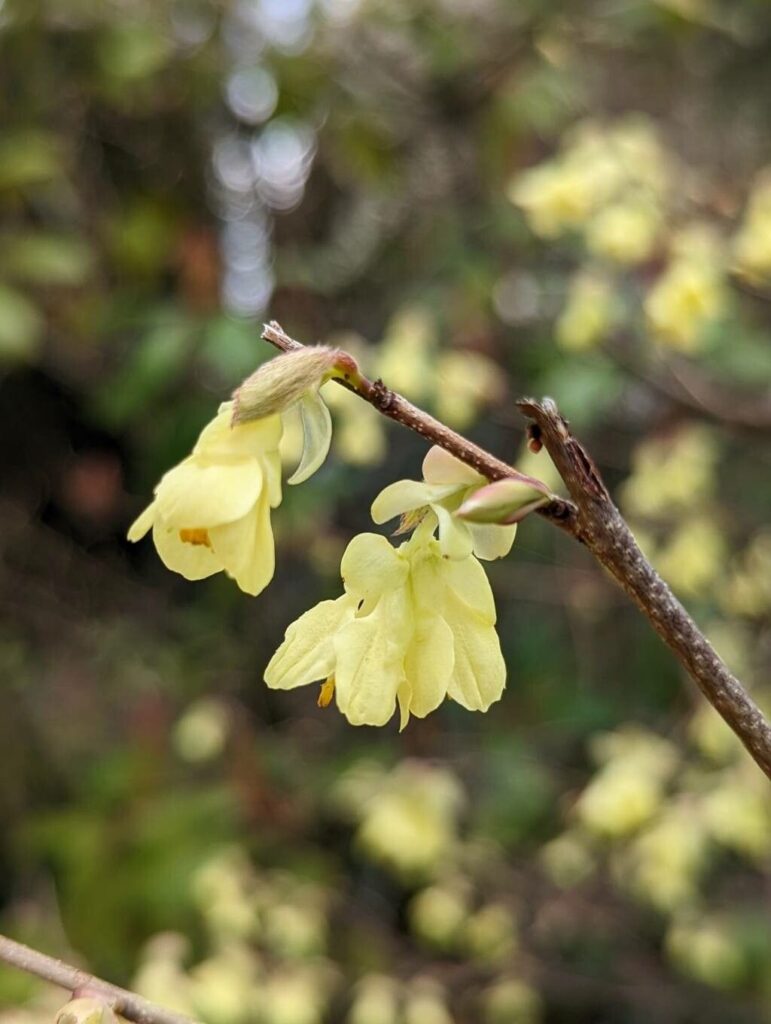
Unleash the Charm of Corylopsis pauciflora: A Guide to Propagation
The Corylopsis pauciflora, also known as the “Buttercup Winterhazel,” is a captivating shrub, renowned for its enchanting clusters of fragrant yellow flowers that bloom in early spring before the leaves emerge. But did you know that you can share this beauty with others by propagating this lovely plant yourself?
Propagating Corylopsis pauciflora allows you to expand your own garden or gift this special shrub to friends and family, ensuring that its delicate charm graces more landscapes. This guide will provide a comprehensive yet accessible overview of different propagation techniques, helping you embark on this rewarding journey.
Understanding the Basics
Propagation refers to the process of creating new plants from existing ones. This can be achieved by harnessing the plant’s natural ability to regenerate itself through various methods. For Corylopsis pauciflora, two primary methods are most commonly employed:
- Seed Propagation: This method utilizes the seeds produced by the plant after flowering. While simple in principle, the germination process can be slow and inconsistent.
- Cuttings: This method involves taking portions of the plant’s stems and encouraging them to develop roots. This offers a more reliable and faster route to establishing new Corylopsis plants.
Seed Propagation: Patience is Key
While seemingly straightforward, seed propagation for Corylopsis pauciflora demands patience and attention. The process involves:
- Seed Collection: Gather mature seed pods after they turn brown on the plant.
- Stratification: The seeds require a period of cold storage to break dormancy. Mix seeds with moist peat moss or vermiculite and store them in a refrigerator or outdoors (if temperatures remain below freezing) for at least 3 months.
- Sowing: After stratification, sow the seeds in a seed tray or pots filled with a well-draining seed-starting mix. Cover the seeds lightly with soil and maintain a consistently moist environment.
- Patience: Germination may take several weeks, even months, so be patient. Once seedlings emerge, ensure they receive adequate light and moisture.
Cuttings: A Faster Path
For a quicker and more predictable approach, consider propagation through cuttings. Here’s how:
- Time and Selection: Take semi-hardwood cuttings in late summer or early fall, using stems that have grown this season. Choose healthy sections with several nodes (bumps where leaves grow).
- Preparation: Using a sharp knife or pruning shears, make a clean cut just below a node. Remove any leaves below the cut and trim the top leaves to reduce moisture loss.
- Rooting Hormone: Applying rooting hormone to the cut end can stimulate faster root development. Dip the base of the cutting in the hormone powder or liquid before proceeding.
- Potting: Place the cuttings in a pot filled with a well-draining rooting medium such as perlite, vermiculite, or a mixture of both. Ensure the cutting is inserted at least 2 inches deep.
- Environment: Create a humid environment by covering the pot with a plastic dome or bag to maintain moisture and reduce water loss from the cuttings. Place the pot in indirect sunlight.
- Patience: Keep the rooting medium consistently moist. It can take several weeks or months for roots to develop. Once you see signs of new growth, you can gradually acclimatize the cuttings to full sunlight and eventually plant them outdoors.
Conclusion:
Propagating Corylopsis pauciflora can be a fulfilling experience, allowing you to share its beauty with others and fill your own garden with its enchanting presence. While both seed propagation and cuttings offer distinct advantages, understanding the nuances of each method can ensure a successful outcome. Remember, patience and proper care are key to cultivating new Corylopsis plants, so embrace the journey and enjoy the rewards of witnessing their growth and bloom.