
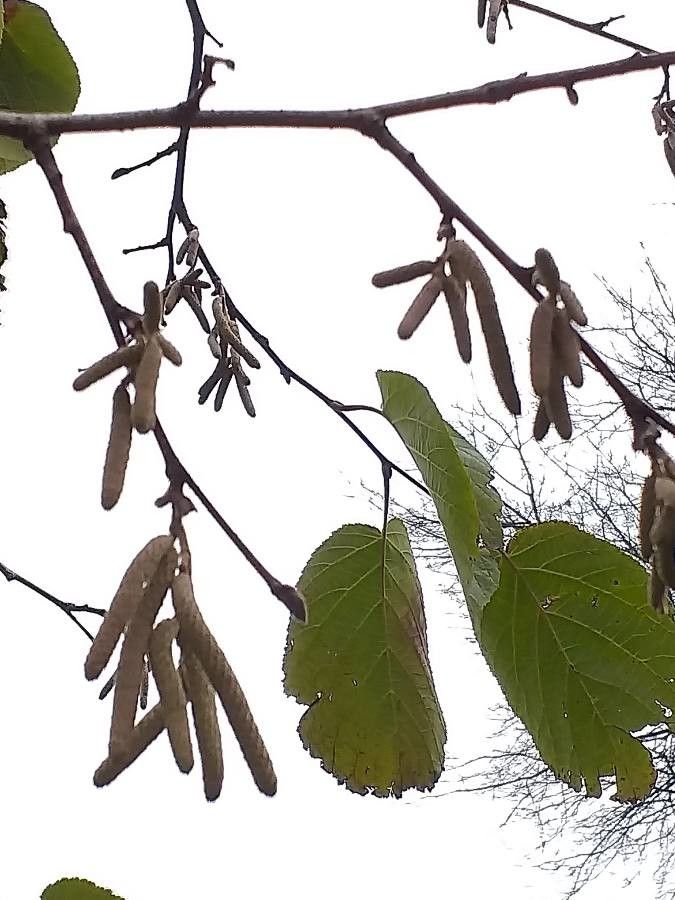
Propagating Corylus yunnanensis: A Gardener’s Challenge and Reward
Corylus yunnanensis, also known as the Yunnan hazel, is a captivating addition to any garden. This relatively uncommon species boasts unique ornamental qualities, including its striking, often pendulous, habit and attractive foliage. Its relative rarity amongst gardeners, coupled with its interesting features, makes its propagation a particularly rewarding, yet sometimes challenging, endeavor. Unlike its more widely cultivated cousins, propagating Yunnan hazel requires a careful approach.
Seed Germination:
Currently, there are no known reliable methods for seed germination propagation of Corylus yunnanensis. While hazelnuts generally propagate via seed, Yunnan hazel’s germination rates appear to be extremely low, possibly due to factors such as seed dormancy mechanisms or specific environmental requirements not yet fully understood. Further research into overcoming these obstacles is needed before seed germination can be considered a viable propagation method.
Cuttings:
Cuttings offer a more promising approach to propagating Corylus yunnanensis. However, success is not guaranteed and requires diligent attention to detail.
Challenges: Rooting cuttings of Corylus yunnanensis can be slow and difficult. The success rate is significantly impacted by the timing of the cutting (ideally semi-hardwood cuttings taken in late summer), the use of rooting hormones, and maintaining consistently high humidity levels.
Practical Tips: Take 4-6 inch cuttings from non-flowering shoots. Remove lower leaves, dip the cut ends in rooting hormone, and plant in a well-draining, sterile propagation mix kept constantly moist but not waterlogged. Cover with a humidity dome or plastic bag to maintain high humidity. Bottom heat can significantly improve rooting success.
Rewards: Successful propagation from cuttings results in plants that are genetically identical to the parent plant, preserving desirable traits. This technique is also suitable for smaller-scale propagation needs.
Division:
Division is generally not recommended for Corylus yunnanensis. The plant’s root system is often quite extensive and deeply rooted, making successful division without significant damage to the plant unlikely. Attempting division could severely weaken or even kill the parent plant.
Tissue Culture:
Tissue culture offers the potential for large-scale, consistent propagation of Corylus yunnanensis. However, this method requires specialized equipment, sterile laboratory conditions, and expertise in plant tissue culture techniques.
Challenges: Establishing a successful tissue culture protocol for Corylus yunnanensis will require significant experimentation to determine the optimal growth medium, hormones, and environmental conditions.
Practical Tips: This method is best left to experienced plant tissue culturists and research institutions.
Rewards: Tissue culture allows for the rapid and efficient production of numerous genetically identical plants from a small amount of source material. This is crucial for conservation efforts and large-scale commercial cultivation.
Conclusion:
Propagating Corylus yunnanensis presents unique challenges. While seed germination is currently unreliable, cuttings offer a viable albeit less efficient alternative demanding patience and attention to technique. Division is generally not recommended, while tissue culture, though potentially highly effective, necessitates specialized expertise and resources. The rewards of successfully propagating this beautiful species, however, are well worth the effort. The satisfaction of nurturing a cutting into a mature Yunnan hazel, bearing witness to its graceful growth, is a deeply fulfilling experience for any gardener. Don’t be discouraged by initial setbacks—persist, refine your techniques, and enjoy the journey of cultivating this unique plant.