
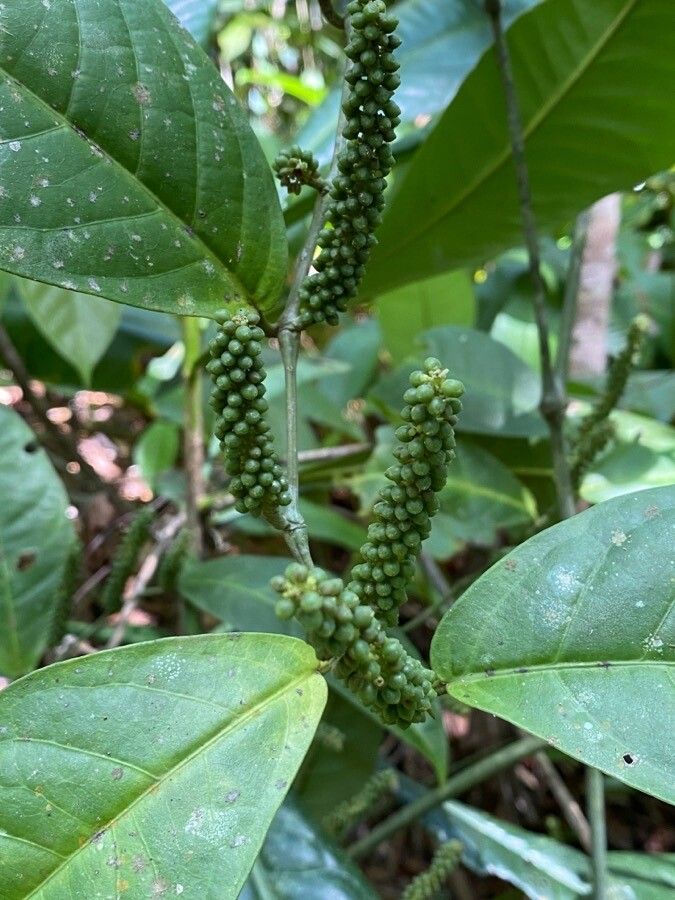
Propagating Piper corcovadense: A Gardener’s Guide to the Rio de Janeiro Pepper
Introduction:
Piper corcovadense, commonly known as the Rio de Janeiro pepper or Corcovado pepper, is a captivating vine native to Brazil, prized for its attractive, heart-shaped leaves and the peppery scent they release when bruised. Its dense foliage makes it an excellent choice for hanging baskets, ground cover, or climbing structures. Its popularity amongst plant enthusiasts stems from its relatively easy cultivation and its striking aesthetic appeal. However, propagation methods for Piper corcovadense can be challenging, making successful propagation a rewarding experience for the determined gardener.
Seed Germination:
Currently, there are no known reliable methods for seed germination propagation of Piper corcovadense. While the plant produces fruits containing seeds, germination rates are reportedly extremely low or nonexistent under typical horticultural conditions. Further research into specific germination requirements, such as scarification techniques or precise environmental control, might be necessary to improve success rates.
Cuttings:
Cuttings represent a more promising method for propagating Piper corcovadense.
Challenges: The primary challenge lies in achieving successful rooting. Piper corcovadense cuttings can be slow to root, and the success rate is often dependent on factors like the age and health of the parent plant, the environmental conditions (temperature and humidity), and the use of rooting hormones.
Practical Tips: Take semi-hardwood cuttings (partially matured stems) in spring or early summer. Aim for cuttings about 10-15 cm long, with at least two nodes. Remove lower leaves, dip the cut end in rooting hormone, and plant into a well-draining propagation mix (e.g., perlite and peat moss). Maintain high humidity using a propagator or plastic bag, ensuring adequate ventilation to prevent fungal diseases. Consistent bottom heat (around 24-27°C) can significantly improve rooting success.
Rewards: This method allows for the creation of genetically identical plants, ensuring the perpetuation of desirable traits. It’s also relatively straightforward for smaller-scale propagation compared to other methods.
Division:
Division is a feasible propagation method, particularly for established plants.
Challenges: Successfully dividing Piper corcovadense requires careful handling to avoid damaging the roots. The plant may not always readily separate into multiple viable sections.
Practical Tips: The best time to divide is during the growing season, typically spring. Gently remove the plant from its pot, carefully separate the root ball into smaller sections, ensuring each section possesses sufficient roots and stems. Repot each division into a well-draining potting mix. Provide consistent watering and shade until the plants establish themselves.
Rewards: Division is a quick way to increase the number of plants, and compared to cuttings, it offers higher success rates, particularly for mature plants.
Tissue Culture:
Tissue culture offers the potential for large-scale propagation and the production of disease-free plants.
Challenges: This method requires specialized equipment, sterile conditions, and a specific knowledge of plant tissue culture techniques. It’s also more time-consuming and expensive than other propagation methods.
Practical Tips: Successful tissue culture requires the use of a sterile culture medium typically containing plant hormones to stimulate growth. Establishment of aseptic conditions is crucial to prevent contamination by fungi and bacteria. Obtaining and maintaining a stock culture requires expertise.
Rewards: Tissue culture allows for mass propagation, disease elimination, and the potential for genetic improvement through techniques like somaclonal variation.
Conclusion:
Propagating Piper corcovadense presents particular challenges, with seed germination currently proving unreliable. Cuttings and division provide more achievable methods for the home gardener, while tissue culture remains a viable option for larger-scale production or research purposes. The rewards, however, are substantial: the satisfaction of nurturing these unique plants from cuttings or divisions, the propagation of this beautiful vine, and the potential to share its beauty with other plant enthusiasts. Don’t be discouraged by initial setbacks; perseverance and attention to detail will significantly increase your chances of success in propagating this charming Brazilian native. The beauty and fragrance of your successfully propagated Piper corcovadense will be a testimony to your dedication and patience.