
Propagating Coryphantha vogtherriana: A Guide for the Enthusiastic Cactus Cultivator
Introduction:
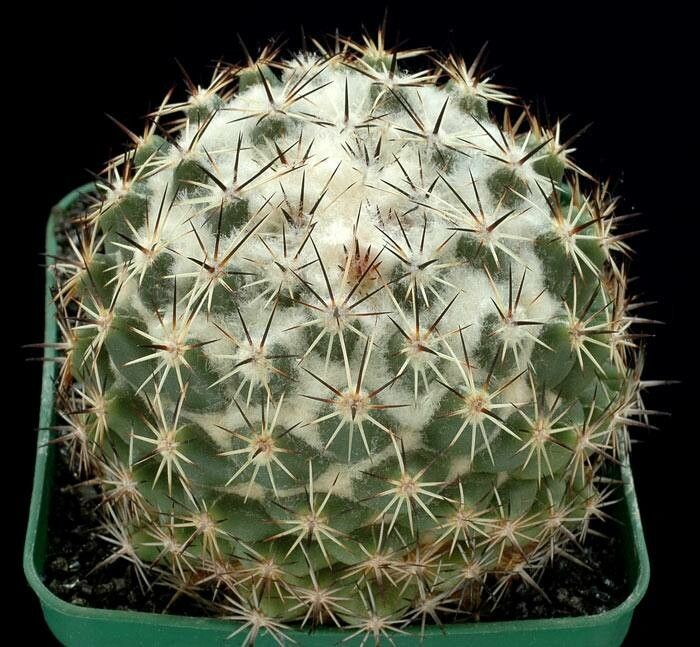
Coryphantha vogtherriana, also known as the Bishop’s Cap Cactus, is a visually striking member of the Cactaceae family, captivating gardeners with its distinctive, densely-spined, and often clustered globular form. Its relatively slow growth and unique aesthetic make it a prized addition to succulent collections. However, its propagation presents distinct challenges, making successful cultivation all the more rewarding. This article explores various methods for propagating C. vogtherriana, weighing their viability and offering practical advice.
Seed Germination:
Seed germination is a viable method for propagating Coryphantha vogtherriana, but it requires patience and precision.
Challenges: Seeds of Coryphantha species can be slow to germinate, and require specific conditions. Seed dormancy is common, necessitating pre-treatment. Furthermore, fungal diseases can easily decimate seedlings if sterile conditions aren’t maintained.
Practical Tips: To improve germination rates, consider cold stratification (placing seeds in moist vermiculite or perlite at 3-5°C for 4-6 weeks) before sowing. Sow seeds thinly on a well-draining seed-starting mix (e.g., cactus and succulent potting mix) in sterile containers. Maintain a warm temperature (20-25°C), high humidity (use a propagator or humidity dome), and bright but indirect light. Regular misting is crucial, but avoid overwatering which can lead to damping-off.
Rewards: Successful seed germination offers the advantage of genetic diversity, resulting in a potentially wider array of plant phenotypes. This method also allows for relatively large-scale propagation should sufficient seed be available.
Cuttings:
Currently, there are no known reliable methods for propagating Coryphantha vogtherriana from cuttings. These cacti tend not to readily root from stem or pad cuttings.
Division:
Division is a feasible method for propagating Coryphantha vogtherriana, particularly for plants that naturally form clusters.
Challenges: Improper division can severely damage the mother plant and reduce its chances of survival. The separated offsets must be large enough to have sufficient root systems to support their independent growth. Wound infection is a significant risk.
Practical Tips: Division is best performed during the plant’s active growing season (spring or summer). Use a sharp, clean knife or scalpel to carefully separate offsets from the main plant, ensuring that each offset has some roots attached. Allow the cuts to callous over for a few days before planting in a well-draining cactus mix. Ensure wounds are treated with a fungicide to prevent rot.
Rewards: Division is a relatively quick and efficient method for increasing the number of plants, particularly when dealing with well-established, clumping specimens.
Tissue Culture:
Tissue culture techniques are potentially viable for Coryphantha vogtherriana, but this method requires specialized equipment, sterile conditions, and expertise in plant tissue culture.
Challenges: Establishing aseptic culture conditions is crucial to prevent contamination. Finding suitable growth media and hormones are essential. The process itself is complex and time-consuming, requiring significant investment in equipment and expertise.
Practical Tips: Consult detailed protocols specific to cactus tissue culture. This process should be undertaken in a controlled laboratory environment by individuals with expertise in this field.
Rewards: Tissue culture provides the potential for mass propagation of genetically identical plants, crucial for preserving rare or desirable cultivars.
Conclusion:
Propagating Coryphantha vogtherriana presents several rewarding yet challenging aspects. While seed germination offers the potential for wide genetic diversity but requires patience and meticulous care, division offers a more straightforward pathway for multiplication of established plants. Tissue culture, while potentially ideal for large-scale production, is complex and requires specialist knowledge. The unique beauty and slow growth of C. vogtherriana make the challenges of propagation all the more worthwhile. For the passionate cultivator, the satisfaction of successfully propagating this captivating cactus, with its intricate spines and unique shape, offers a profound sense of accomplishment that is hard to match. Remember patience, attention to detail, and sterile techniques are key to success!