
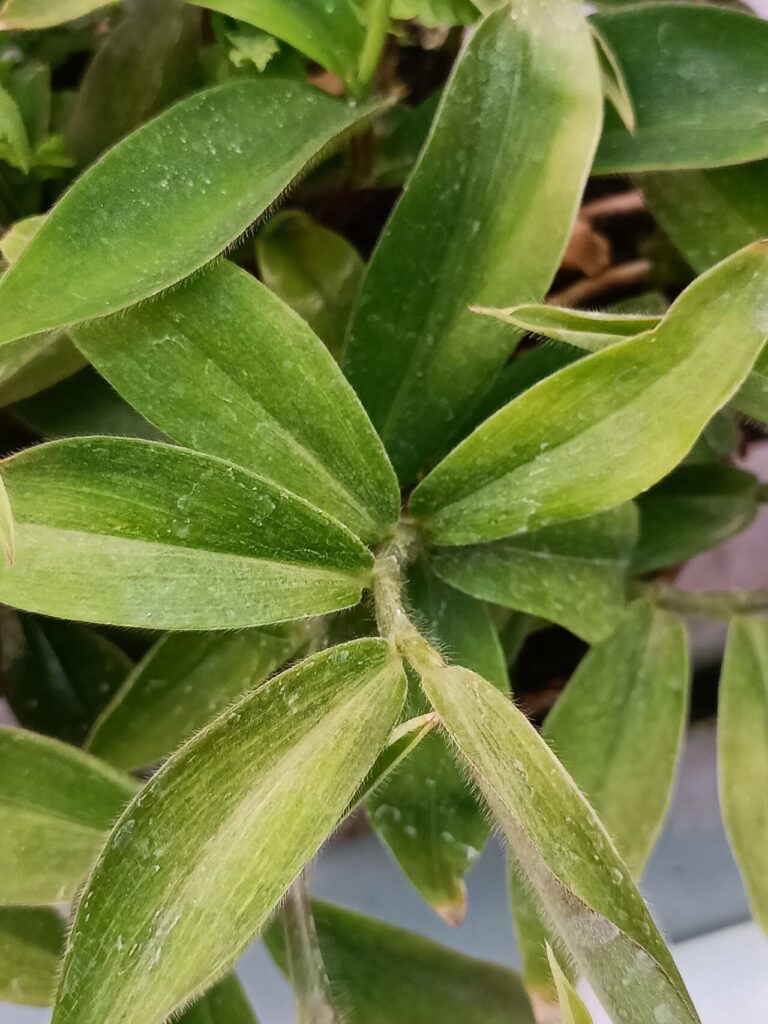
Propagating Costus gabonensis: Bringing the Spiral Ginger to Life
Introduction:
Costus gabonensis, commonly known as Spiral Ginger, is a captivating tropical plant prized for its striking spiral inflorescences and attractive foliage. Its unique, vibrant appearance makes it a popular choice among gardeners seeking to add a touch of exotic beauty to their collections. However, propagating this plant can present unique challenges. While its visually appealing nature makes it desirable, understanding its propagation methods is crucial for successful cultivation. This article explores several methods for propagating Costus gabonensis, weighing their advantages and disadvantages.
Seed Germination:
Currently, there are no known reliable methods for seed germination propagation of Costus gabonensis. While seeds may be produced, germination rates are extremely low, and even then, successful seedling establishment is reportedly rare. Research on optimized seed germination protocols for this species is lacking.
Cuttings:
- Challenges: While cuttings are a more viable option than seed germination, success is not guaranteed. The plant’s rhizomatous nature and the relatively thick stems can make it challenging to root cuttings. Rot can be a significant problem if proper hygiene and conditions aren’t maintained.
- Practical Tips: Take stem cuttings of approximately 10-15 cm in length, ideally from healthy, actively growing stems. Remove lower leaves to prevent rotting and treat the cut ends with a rooting hormone before planting in a well-draining, moist propagation mix (e.g., perlite and peat moss). Maintain high humidity (using a propagator or plastic bag) and warmth (around 25°C). Consistent moisture is crucial, but overwatering should be avoided.
- Rewards: Cuttings offer a relatively straightforward method to increase the number of plants, preserving the genetic characteristics of the parent plant. It is a simpler technique than division and faster than tissue culture.
Division:
- Challenges: Division is perhaps the most reliable method, but it requires a mature, established plant with sufficiently developed rhizomes. Care must be taken during division to avoid damaging the rhizomes, which can significantly impact the survival rate of the newly divided plants. The timing of division needs consideration, typically during the plant’s active growing season.
- Practical Tips: Carefully dig up the mature plant, gently separating the rhizomes into sections. Each section should have several healthy buds or shoots. Plant the divisions immediately in well-prepared soil, ensuring each section is planted at the same depth as it was originally. Water thoroughly after planting.
- Rewards: Division ensures successful propagation and provides a faster increase in plant numbers compared to cuttings. It’s a relatively simple technique once you have an established plant.
Tissue Culture:
- Challenges: Tissue culture is a complex and specialized technique requiring a sterile environment, specialized growth media, and expertise in plant tissue culture procedures. It’s the most expensive and technically demanding method.
- Practical Tips: This method requires laboratory-level facilities and expertise, beyond the scope of the average home gardener. It involves sterilizing plant material, culturing it on a nutrient-rich agar medium, and gradually acclimating the plantlets to ex-vitro conditions.
- Rewards: Tissue culture is the most efficient method for mass propagation of genetically identical plants and allows for the production of disease-free plants. However, this method is only feasible in well-equipped laboratories.
Conclusion:
Propagating Costus gabonensis presents certain hurdles, with seed germination proving unreliable. Cuttings offer a viable, albeit not always successful option for home gardeners, while division represents the most reliable method for increasing plant numbers, given an established plant. Tissue culture, while promising for mass production, is generally inaccessible to most hobbyists. The unique satisfaction of successfully cultivating this beautiful plant, especially through cuttings or division, stems from overcoming these challenges. The investment of time and effort is handsomely repaid with the vibrant, spiraling beauty of the mature Costus gabonensis. For aspiring propagators, patience, attention to detail, and a willingness to experiment are key to success–– don’t be discouraged by initial setbacks. The rewards are well worth the effort.