
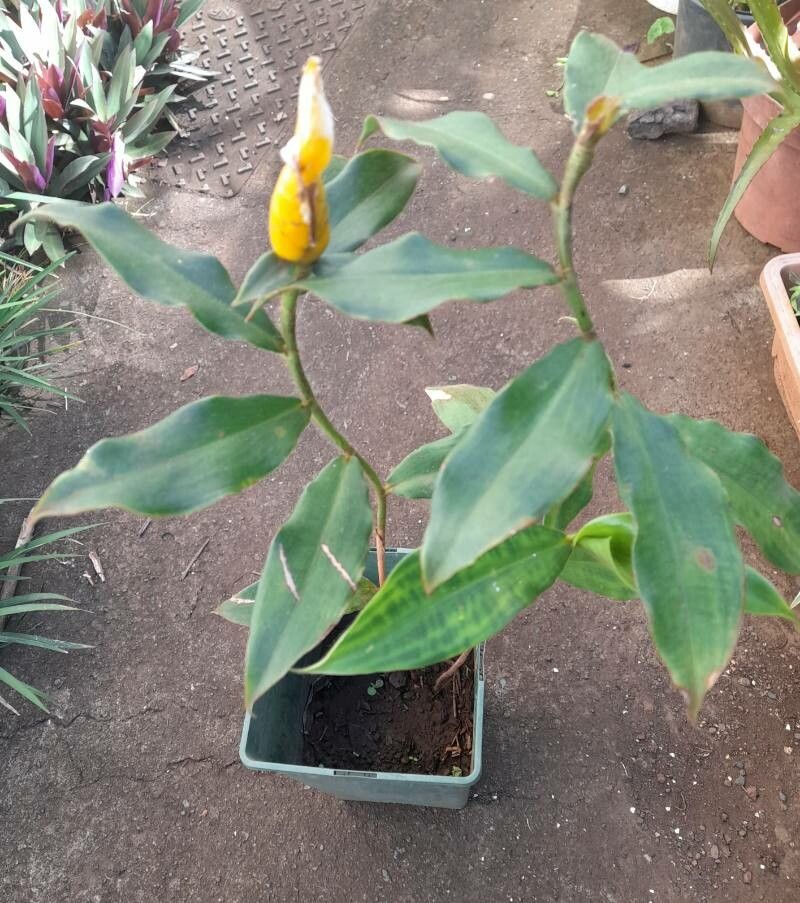
Unlocking the Secrets of Costus Lasius Propagation: From Stem Cuttings to Thriving Plants
The Costus lasius, also known as the spiral ginger or “cane,” is a stunning tropical plant with unique spiraled foliage and vibrant red bracts. Its exotic beauty makes it a popular choice for gardeners, but getting your hands on this captivating plant might seem like a challenge. Luckily, the Costus lasius is relatively easy to propagate, allowing you to expand your collection and share its beauty with others.
Understanding the Basics of Propagation
Plant propagation refers to the process of creating new plants from existing ones. Costus lasius can be successfully propagated using stem cuttings, a technique often used for herbaceous plants. This method involves taking a section of the stem and encouraging it to develop roots, eventually growing into a new plant.
The Step-by-Step Guide to Costus Lasius Propagation
- Choosing the Right Cuttings: Look for healthy, mature stems with at least a few nodes (where leaves grow). These nodes contain the potential for root growth. Cut the stem just below a node, creating a section about 4-6 inches long.
- Preparing the Cutting: Remove any leaves from the bottom two inches of the stem. These leaves will rot in the rooting medium and may hinder root development.
- Rooting Medium Choice: You can use a variety of rooting mediums for your cuttings. Perlite, vermiculite, or a mixture of peat moss and perlite are popular options. You can also try rooting them directly in water.
- Rooting Process: Dip the cut end of the stem in rooting hormone (optional, but it can encourage faster root development). Place the cuttings in the rooting medium, ensuring the nodes are buried. Keep the medium moist but not soggy.
- Environment Matters: The best environment for Costus lasius cuttings is warm and humid. You can use a humidity dome or cover the pot with a plastic bag to create a favorable atmosphere. Place the cuttings in indirect sunlight, avoiding direct sunlight, which can scorch young plants.
- Patience is Key: Roots generally take several weeks to develop. Avoid disturbing the cuttings during this process. Keep the rooting medium moist and check for signs of growth.
Tips for Success:
- Sterilize Your Tools: Use a sharp knife or scissors and disinfect them with rubbing alcohol to prevent fungal infections.
- Fresh Cuttings: The fresher the cutting, the better. Don’t let them dry out after you make the cut.
- Regular Misting: Maintain humidity by misting the cuttings regularly.
- Temperature Control: Keep the cuttings in a warm environment, around 70-75 degrees Fahrenheit for optimal root development.
- Patience Is Key: It takes time for roots to develop; don’t get discouraged if you don’t see results immediately.
Benefits of Propagation
- Cost-Effective: You can save money by propagating your Costus lasius instead of purchasing new plants.
- Variety: Explore different varieties of Costus lasius and create a diverse collection.
- Gifting: Share your success by gifting propagated plants to friends, family, or fellow plant enthusiasts.
Final Thoughts
With a little patience and care, your Costus lasius cuttings will soon transform into thriving plants. Enjoy watching them grow, appreciate their beauty, and continue to spread their vibrant presence in your garden or home.