
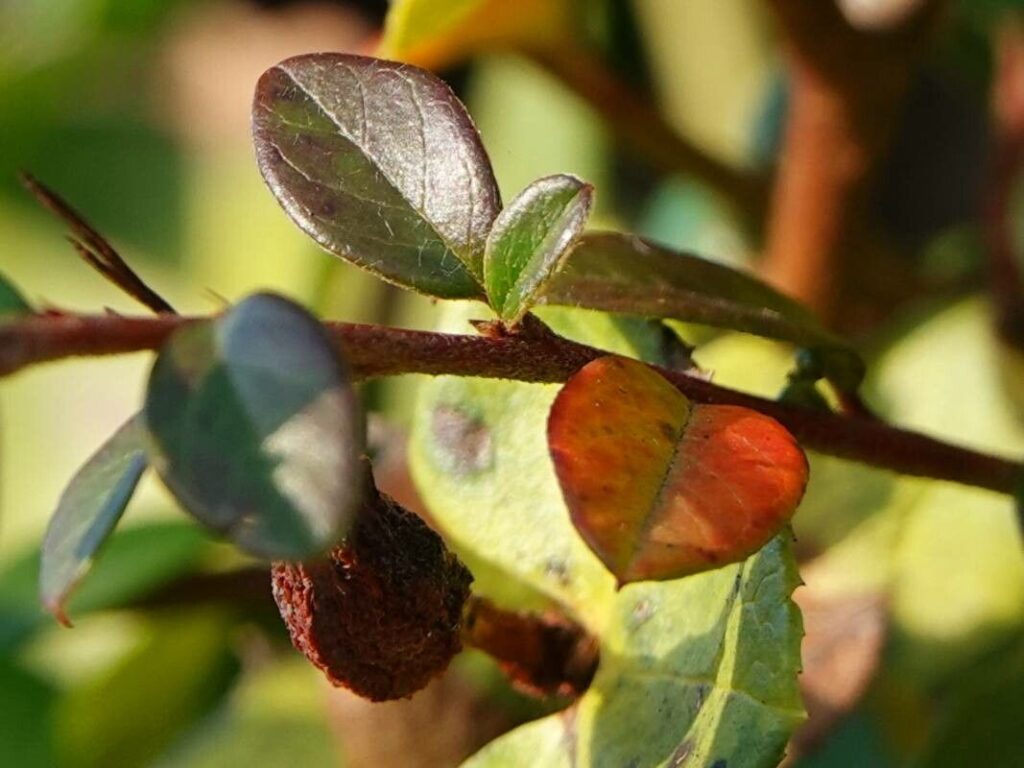
Beyond the Berries: Propagating the Charming Cotoneaster Cochleatus
Cotoneaster cochleatus, with its cascading branches and vibrant red berries, brings a touch of elegance and wildlife appeal to any garden. While readily available in nurseries, wouldn’t it be rewarding to multiply your beloved shrub and share its beauty? Let’s delve into the art of propagating Cotoneaster cochleatus and unlock the secrets to expanding your green haven.
Two Roads to Rooting: Seed vs. Cuttings
Nature offers two primary pathways for propagating Cotoneaster cochleatus: through seeds or cuttings. Each method has its own set of advantages and challenges, making it crucial to choose the technique that best suits your gardening style and patience.
1. The Seed Route: Embracing Nature’s Pace
- The Process: Extract seeds from ripe berries in fall, clean them thoroughly, and sow them immediately in a prepared seed tray filled with seed-starting compost. Alternatively, you can cold-stratify the seeds by storing them in moist sand in the refrigerator for a few months and sow them in spring.
- Pros: Propagating from seed is budget-friendly, as you can potentially obtain numerous seedlings from a single plant.
- Cons: This method requires patience. Germination can be slow and inconsistent, and the resulting plants may not be identical clones of the parent plant.
2. The Cutting Edge: Faster and More Predictable
- The Process: In late summer or early fall, select healthy, non-flowering shoots from the current year’s growth. Make a clean cut just below a leaf node, remove lower leaves, and dip the cut end in rooting hormone. Plant the cutting in a pot filled with well-draining potting mix, keeping the soil consistently moist.
- Pros: Cuttings typically root faster than seeds and produce plants that are genetically identical to the parent, ensuring you retain desired traits like berry color and growth habit.
- Cons: Success with cuttings depends on factors like the age of the parent plant and environmental conditions.
Nurturing New Life: Caring for Your Propagations
Regardless of your chosen method, provide consistent care to give your cotoneaster propagations the best chance of success:
- Light: Place both seed trays and cuttings in a bright location, but out of direct sunlight.
- Watering: Keep the soil consistently moist but not waterlogged, allowing the top inch to dry out between watering.
- Transplanting: Once seedlings have developed a few true leaves or cuttings show signs of new growth, transplant them into individual pots or a sheltered spot in your garden.
Reaping the Rewards: Enjoying Your Cotoneaster Abundance
Propagating Cotoneaster cochleatus not only allows you to expand your garden on a budget but also deepens your connection with this charming shrub. The sight of your first seedling sprouting or cutting developing roots brings a sense of accomplishment that enhances the joy of gardening. So, embrace the adventure of propagation and watch your Cotoneaster cochleatus flourish, multiplying the beauty in your green sanctuary.