
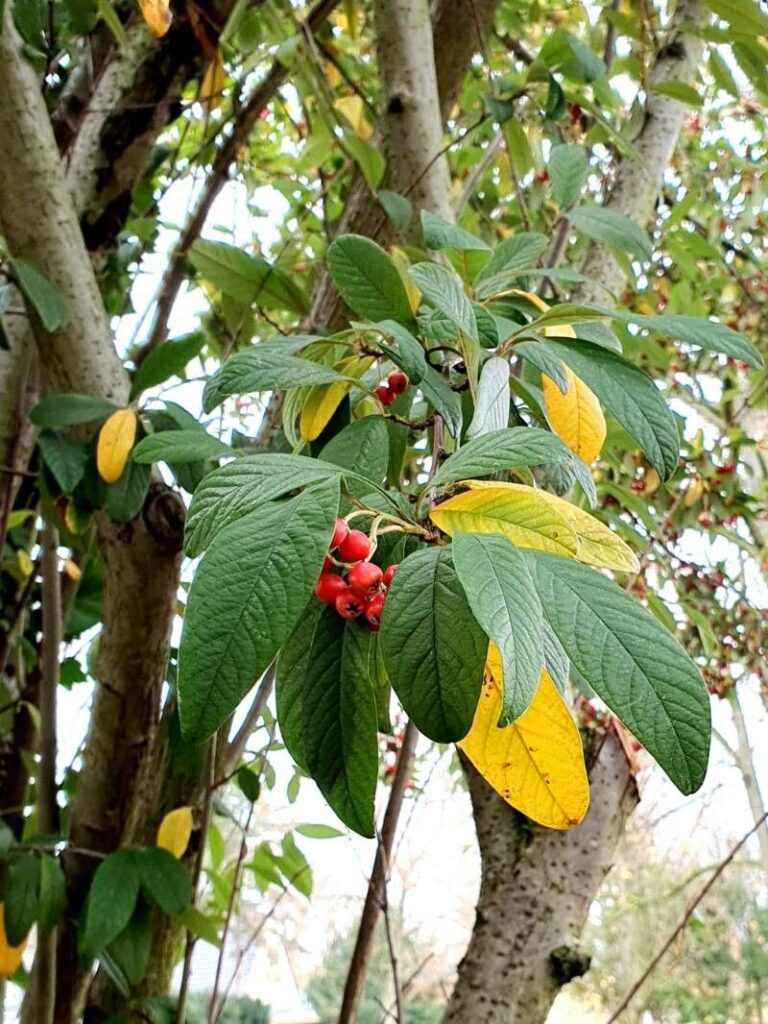
Propagating Cotoneaster frigidus: A Gardener’s Guide
Introduction:
Cotoneaster frigidus, also known as the Himalayan Cotoneaster, is a robust and attractive deciduous shrub prized for its striking autumnal foliage, plentiful white flowers, and vibrant red berries. Its adaptability to various soil types and tolerance to harsh conditions makes it a popular choice for landscaping, hedging, and naturalizing. However, propagation isn’t always straightforward. While its hardiness is a boon for mature plants, it presents some unique challenges for those aiming to increase their stock. This article explores common propagation methods, highlighting their viability and offering practical advice.
Seed Germination:
Currently, there are no known reliable methods for seed germination propagation of Cotoneaster frigidus. While seeds are produced, their germination rate is notoriously low and inconsistent, even with stratification techniques. The long dormancy period and the potential for fungal diseases during germination often outweigh any potential reward. Therefore, relying solely on seed germination for propagating this species is not recommended.
Cuttings:
Cuttings offer a more successful approach to propagating Cotoneaster frigidus. However, it’s not without its challenges.
- Challenges: Hardwood cuttings taken in late autumn or winter tend to root more reliably than softwood cuttings. However, even with hardwood cuttings, success hinges on optimized conditions. Rooting can be slow and the percentage of successful cuttings may be moderate.
- Practical Tips: Take semi-hardwood cuttings (partially matured wood) in late summer or early autumn, approximately 6-8 inches long. Remove lower leaves, dip the cut end in rooting hormone, and plant in a well-draining propagation mix (e.g., peat moss and perlite). Maintain consistently moist but not waterlogged conditions and high humidity (e.g., using a propagator or plastic covering). Bottom heat can significantly increase the rooting rate.
- Rewards: Cuttings offer a relatively quick way to obtain genetically identical clones of a desirable mother plant. This is particularly beneficial if you possess a particularly attractive or robust specimen.
Division:
Division is a viable method for propagating Cotoneaster frigidus, particularly for established shrubs.
- Challenges: This method is best suited for younger, less established plants. Dividing mature, larger plants can cause significant stress to the mother plant and may not always be successful. Careful handling of the root system is crucial to avoid damage.
- Practical Tips: Ideally, divide the plant in early spring or late autumn. Lift the plant carefully, using a sharp spade or trowel to separate it into smaller sections, each with its own root system and sufficient stems. Replant the divisions immediately, ensuring that each division is planted at the same depth as the original plant.
- Rewards: Division offers a straightforward method of increasing the number of plants, and it is a relatively low-risk procedure compared to cuttings if done correctly.
Tissue Culture:
Tissue culture offers the most reliable and efficient method for large-scale propagation of Cotoneaster frigidus. However, it requires specialized equipment, a sterile laboratory environment, and expertise in plant tissue culture techniques.
- Challenges: Establishing sterile tissue culture protocols for Cotoneaster frigidus may require significant experimentation to optimize nutrient media and growth regulators. The initial setup cost can be high.
- Practical Tips: Employ sterile techniques throughout the process. Use appropriate growth media and hormones to encourage shoot proliferation and root development. Regular subculturing will be required to maintain healthy, vigorous plantlets.
- Rewards: Tissue culture enables rapid multiplication of a chosen cultivar, maintaining uniformity and allowing for large-scale production while minimizing the risk of disease transmission.
Conclusion:
Propagating Cotoneaster frigidus presents varying challenges across different methods. While seed propagation proves unreliable, cuttings and division offer viable alternatives for gardeners, with cuttings probably being the most reliable option given the drawbacks for division. Tissue culture provides the most efficient and scalable approach, yet demands significant expertise and investment. The satisfaction derived from successfully cultivating this plant, overcoming the hurdles in propagation, greatly enhances the appreciation of its beauty in the garden. For aspiring propagators, patience, attention to detail, and diligent research will be your greatest allies. Embrace the learning process, and the rewards of your efforts will be well worth the perseverance.