
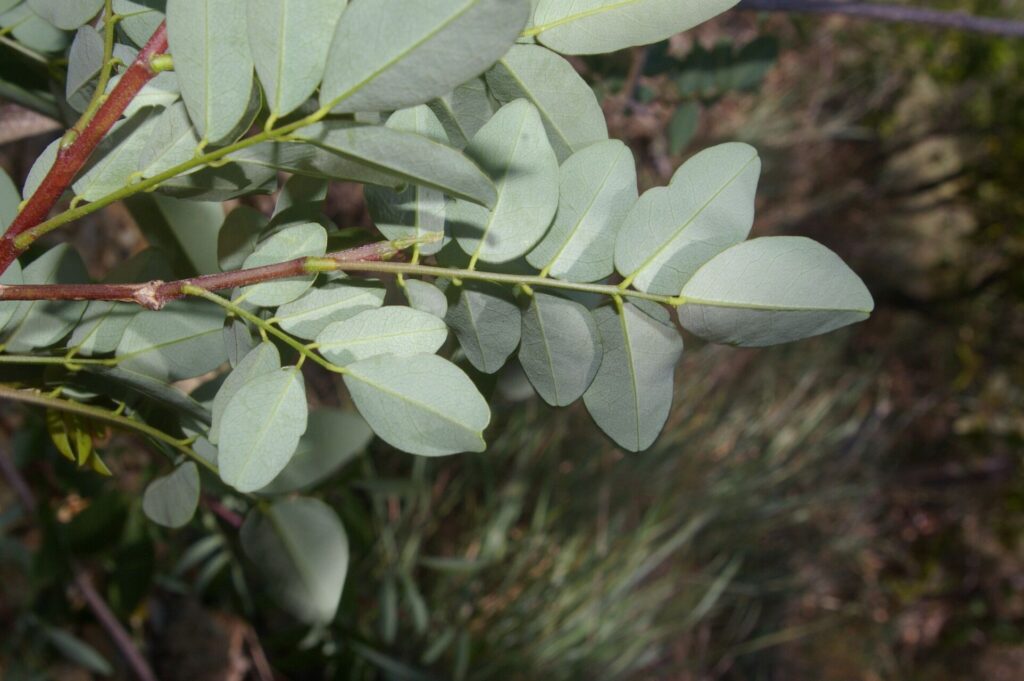
Unlocking the Secrets of Coursetia Elliptica Propagation: A Guide for Budding Botanists
Coursetia elliptica, a stunning flowering shrub native to Mexico and parts of the southern United States, captivates with its vibrant purple blooms and delicate foliage. For plant enthusiasts eager to welcome this beauty into their gardens, understanding the propagation process is key. While Coursetia elliptica might sound intimidating, propagating this resilient plant is surprisingly attainable, even for those new to the world of plant parenting.
Seed Starting: A Journey from Tiny Seeds to Thriving Shrubs
The most common propagation method for Coursetia elliptica is through seeds, embarking on a rewarding journey from tiny specks to thriving shrubs. Here’s what you need to know:
-
Seed Collection and Preparation: Ideally, collect mature seed pods directly from the plant, allowing them to dry thoroughly. You can often find seed packets from reputable suppliers if collecting from a source isn’t an option. Before sowing, scarify the seeds by gently nicking the seed coat with a nail clipper or sandpaper. This process weakens the tough outer layer and encourages germination.
-
Optimal Sowing Conditions: Sow the scarified seeds in a well-draining seed-starting mix, lightly covering them with soil. Maintain consistent moisture and a warm temperature around 70-75°F (21-24°C). A seedling heat mat can be helpful in maintaining consistent temperatures.
-
Germination and Early Growth: Patience is a virtue, as germination can take a few weeks. Once the seedlings emerge, provide them with ample sunlight or grow lights for at least 6 hours daily. Water regularly, allowing the soil to dry slightly between waterings to prevent root rot.
- Transplanting to Larger Pots or Gardens: When the seedlings develop a strong root system and reach a few inches tall, they are ready for transplanting. Choose larger pots with drainage holes or a sunny spot in your garden with well-draining soil.
Exploring Alternative Propagation Techniques:
While seed starting is the most practiced method, adventurous gardeners can explore alternative techniques for propagating Coursetia elliptica:
-
Cuttings: Taking softwood cuttings during the plant’s active growing season can be successful. Dip the cuttings in a rooting hormone and plant them in a moist, well-draining medium.
- Layering: Air layering, a technique where you encourage root growth on a stem while still attached to the parent plant, can also be employed, though it might require more patience and care.
Nurturing Your Coursetia Elliptica:
Whether you’ve sprouted them from seeds or nurtured cuttings, young Coursetia elliptica plants benefit from:
-
Well-Draining Soil: They thrive in soils that don’t retain excess moisture.
-
Ample Sunlight: Choose a location with at least six hours of direct sunlight daily.
-
Moderate Watering: Water deeply when the soil feels dry to the touch, avoiding overwatering.
- Pruning: While not mandatory, light pruning after flowering can encourage bushier growth.
Witness the Rewards of Your Efforts:
With proper care and attention, your propagated Coursetia elliptica will reward your efforts with an abundance of captivating purple blooms. The delicate fragrance and stunning floral display will undoubtedly make every step of the propagation journey worthwhile. So why wait? Embrace the challenge and experience the joy of watching these remarkable plants flourish under your care.