
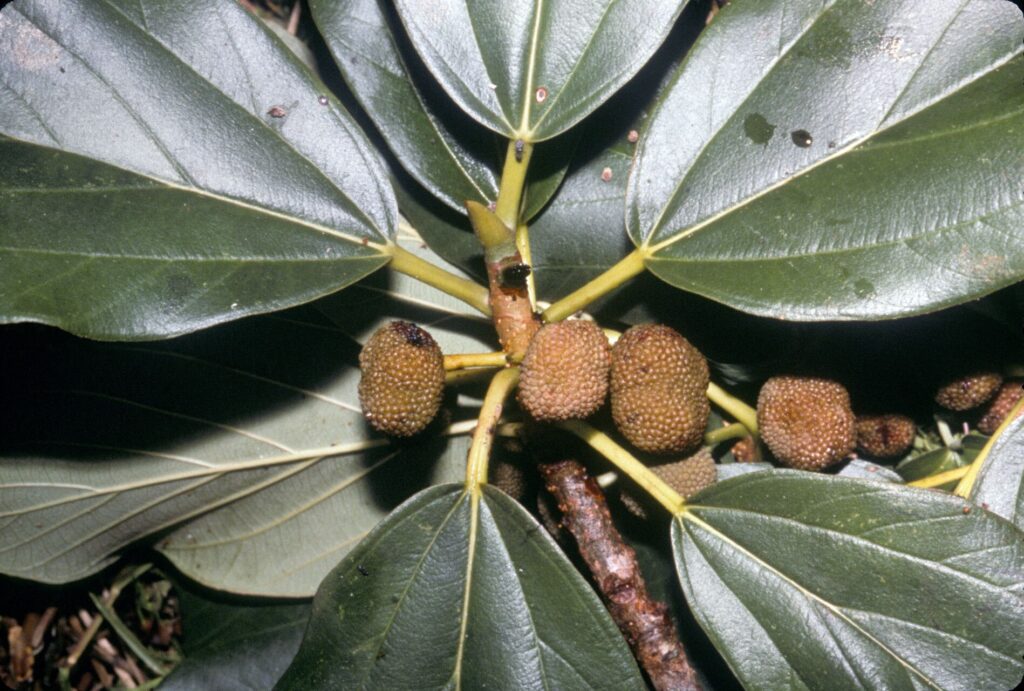
Taming the Giant: Propagating Coussapoa Asperifolia
The Coussapoa asperifolia, with its impressive size and striking foliage, is a statement piece for any serious plant enthusiast. This tropical giant, native to South America, might seem intimidating to propagate, but with a little patience and the right knowledge, you too can welcome this magnificent species into your home.
Understanding the Beast
Before we delve into propagation techniques, let’s understand the plant itself. Coussapoa asperifolia belongs to the fig family, Moraceae, but don’t expect any edible fruits. This species is all about dramatic foliage. Large, sandpapery leaves with prominent veins lend it an almost prehistoric feel.
Propagation Methods: Which Path to Choose?
While Coussapoa asperifolia can be grown from seed, it’s a notoriously challenging and slow process. For more predictable and quicker results, cuttings are the way to go.
1. Stem Cuttings: Cloning Your Giant
This method involves taking a section of healthy stem and encouraging it to develop roots. Here’s a step-by-step guide:
- Timing is Key: Spring or early summer, when the plant is actively growing, is the best time to take cuttings.
- Selecting the Cuttings: Look for healthy, non-flowering stems. Ideally, choose ones that are semi-woody – not too soft and not too hard. A cutting around 6-8 inches long with at least two nodes (the bumps where leaves emerge) is perfect.
- Preparing the Cutting: Using a sharp, sterilized knife or pruning shears, make a clean cut just below a node. Remove the lower leaves, leaving only a couple at the top.
- Hormone Boost (Optional): While not strictly necessary, dipping the cut end in rooting hormone can significantly increase your success rate.
- Planting the Cutting: Plant the treated cutting in a well-draining potting mix. A mix of peat moss, perlite, and vermiculite works well. Ensure the nodes are buried in the mix.
- Creating a Humid Environment: Moisture is crucial for root development. Cover the pot with a clear plastic bag or a humidity dome to create a mini greenhouse. Make sure the plastic doesn’t touch the cutting.
- Patience is a Virtue: Place the pot in a warm, bright location, but out of direct sunlight. It can take several weeks, even months, for roots to develop. Check the soil moisture regularly and mist if needed.
2. Air Layering: A More Advanced Approach
For those feeling adventurous, air layering offers another effective propagation method, particularly for thicker stems.
- Choosing the Branch: Select a healthy, mature stem.
- Creating the Wound: Make a 1-inch upward cut about 12-18 inches from the tip of the branch. You can also scrape away a ring of bark around the branch, exposing the cambium layer.
- Applying Rooting Hormone: Dust the wounded area with rooting hormone.
- The Moss Wrap: Surround the wound with damp sphagnum moss and wrap it tightly with plastic wrap, securing both ends with tape.
- The Waiting Game: Roots will take several weeks or months to develop. Once you see a healthy mass of roots through the plastic, cut below the wrap and pot your new plant.
Nurturing Your New Generation of Giants
Once your cuttings or air layers have developed a good root system, gradually acclimate them to lower humidity before transplanting them into larger pots. Remember, Coussapoa asperifolia thrives in bright, indirect light and prefers slightly moist soil.
Propagating your own Coussapoa asperifolia can be a rewarding experience. While it requires patience and attention, the reward of successfully nurturing a new generation of these tropical giants is well worth the effort.