
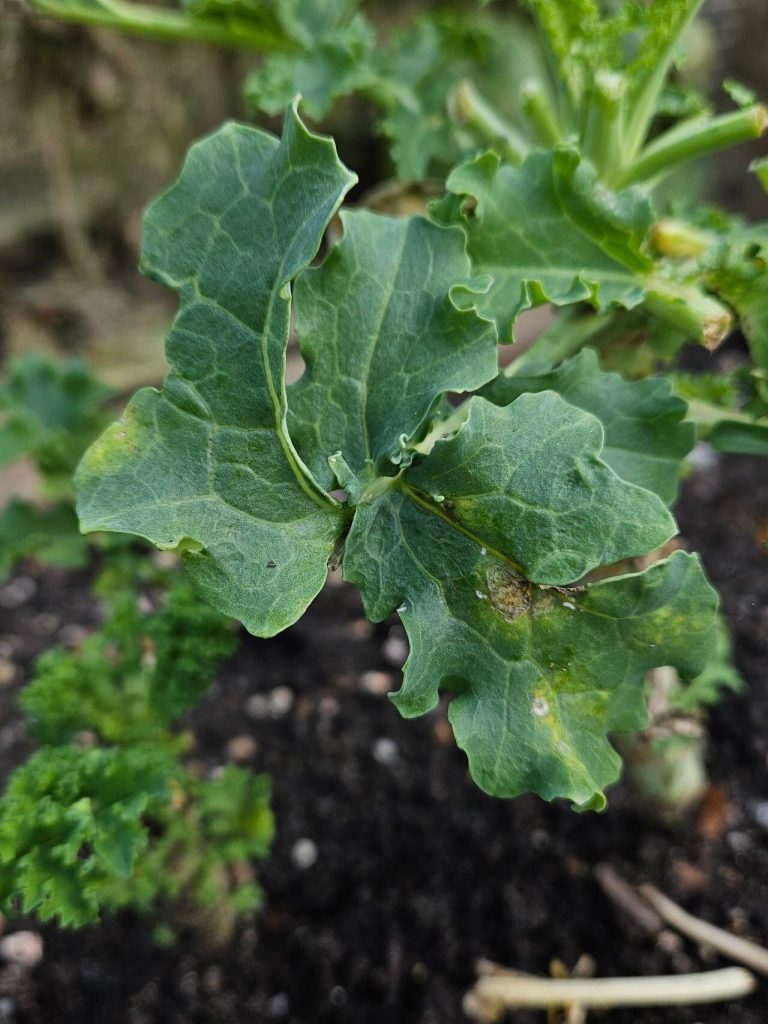
Propagating Sea Kale (Crambe maritima): A Gardener’s Challenge and Reward
Introduction:
Crambe maritima, commonly known as Sea Kale, is a fascinating and hardy perennial belonging to the Brassicaceae family. Its thick, fleshy leaves, reminiscent of kale, are prized for their unique flavour, making it a culinary delicacy. Furthermore, its architectural, bluish-green foliage and attractive creamy-white flowers contribute to its ornamental value, increasing its popularity among gardeners seeking unusual and robust additions to their borders or coastal gardens. Propagation, however, presents some unique challenges, making successful cultivation all the more rewarding.
Seed Germination:
Seed germination is a viable, albeit challenging, method for propagating Sea Kale. The main hurdle lies in the seed’s dormancy. Many seeds require stratification – a period of cold, moist treatment – to break this dormancy and trigger germination.
Challenges: Inconsistent germination rates are common. Seeds may require periods of cold stratification (e.g., 4-8 weeks at 4°C) prior to sowing. Improper stratification can lead to poor or delayed germination.
Practical Tips: Sow seeds directly outdoors in autumn or after stratification in spring. Ensure well-drained soil rich in organic matter. Maintain consistent moisture but avoid waterlogging. Thin seedlings to appropriate spacing once they are established.
Rewards: Seed propagation offers the greatest genetic diversity, contributing to stronger, more resilient plants over time. It’s also a cost-effective method for large-scale propagation, ideal for nurseries or community gardening projects.
Cuttings:
Currently, there are no known reliable methods for propagating Crambe maritima via cuttings. The thick, fleshy stems do not readily root, even under optimal conditions using rooting hormones. Further research may be needed to explore the potential, but for now, this is not a recommended technique.
Division:
Division is a viable method, particularly for established plants. This method involves carefully separating the crown of the plant into smaller sections, each with its own root system.
Challenges: Over-division can weaken the mother plant and reduce the likelihood of successful establishment. Timing is critical; division is best done in spring or early autumn when the plant is actively growing or entering dormancy. Damage to the roots during division can also hinder growth.
Practical Tips: Dig up the mature plant carefully. Use a sharp spade or knife to divide the crown into sections, ensuring each division has sufficient roots and foliage. Replant immediately and water thoroughly.
Rewards: Division offers a relatively quick and easy way to increase the number of plants, resulting in immediate visual impact without the prolonged waiting period of propagation from seed.
Tissue Culture:
Tissue culture propagation is a complex, laboratory-based technique requiring specialized equipment and expertise. While potentially successful for Crambe maritima, it’s not a method readily accessible to the home gardener.
Challenges: This method requires substantial financial investment in equipment and sterile materials. It also demands technical skills and knowledge of plant tissue culture protocols, often unavailable to amateur propagators.
Practical Tips: This method is best left to professional nurseries or research institutions.
Rewards: The potential for rapid and large-scale propagation of genetically uniform plants is a significant advantage, although this is not usually necessary, given the viability of other methods.
Conclusion:
Propagating Sea Kale presents both challenges and significant rewards. While seed germination offers genetic diversity but requires patience and attention, division provides a faster and more straightforward alternative suited for home gardeners. Cuttings and tissue culture methodologies currently lack proven efficacy, rendering them less accessible paths. The unique satisfaction of successfully cultivating this beautiful and delicious plant comes from understanding its intricacies and persevering through the challenges, only to reap the delicious and visual rewards in your garden. Don’t be discouraged by initial setbacks; with careful attention and persistence, the hardy nature of Sea Kale will be rewarded with robust plants.