
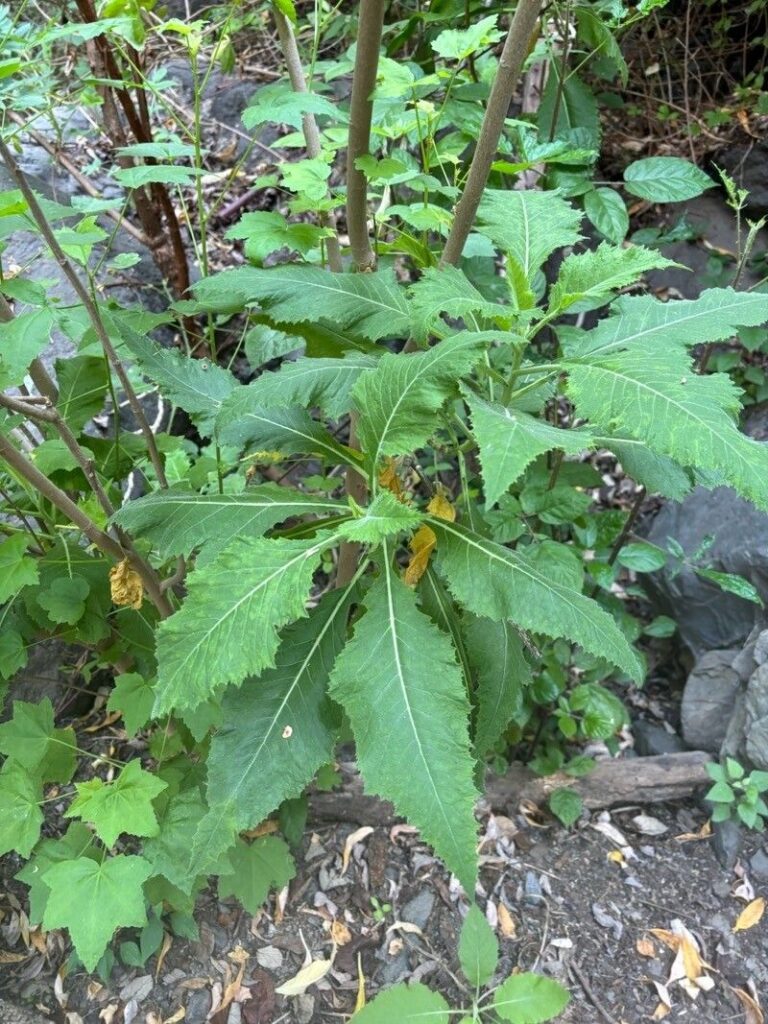
Unlocking the Secrets of Sea Kale: Propagating Crambe Scaberrima
Sea kale (Crambe scaberrima) is a fascinating plant with an intriguing history and a delicious culinary twist. This hardy, coastal native has long been prized for its unique flavor and nutritional value, and even features in some of history’s most esteemed cookbooks. But beyond its culinary appeal lies a fascinating world of propagation methods waiting to be discovered.
While you might find some sea kale plants available at specialty nurseries, propagating your own is an incredibly rewarding experience that allows you to witness the full life cycle of this fascinating species. So, let’s delve into the exciting world of sea kale propagation, exploring the various methods that can turn a single plant into a thriving patch in your garden.
Seeds: The Classic Start
Sea kale readily produces seeds, which can be sown directly into the ground or started indoors for an earlier start.
- Direct Sowing: Sow seeds in autumn, after the first frost, as this mimics their natural cycle. Choose a well-drained sunny spot and scatter the seeds thinly on the soil surface. Lightly cover them with soil and water gently.
- Indoor Starting: Sow seeds in pots filled with a seed-starting mix in late winter or early spring. Maintain a consistently moist environment and provide ample light. Once they have a few true leaves, transplant them into individual pots before hardening them off for a couple of weeks and finally planting them outside.
A Root-Bound Future
While seeds are the traditional method, sea kale can also be propagated from its impressive root system.
- Root Division: This method is perfect for increasing your sea kale stock. In early spring or fall, carefully dig around the established plant and gently separate a portion of the root ball. Each division should have healthy roots and shoots. Pot them individually or plant directly into the ground, ensuring adequate space for growth.
The Power of Cutting
For those seeking a quicker and more efficient way to propagate, cuttings are a viable option.
- Root Cuttings: Take root cuttings in early spring. Cut pieces of healthy root, about 2-3 inches long, and bury them horizontally in a pot of moist rooting medium. Ideally, keep the soil temperature around 65-70°F and maintain a moist environment. Once roots develop, you can transplant them into individual pots or directly into your garden.
Nurturing Your New Plants
Regardless of the chosen method, providing optimal growing conditions is key to success. Sea kale thrives in well-drained soil, preferably with a pH of 6.0 to 7.0, and enjoys sunny locations. Water regularly, especially during dry periods, and fertilize with a balanced fertilizer once a month.
Harvesting Your Bounty
Sea kale can be harvested after the first year, but for optimal flavor and larger harvests, it’s best to wait for the second or third year. The young shoots, often referred to as “spears,” are the edible portion. You can enjoy them fresh, steamed, blanched, or pickled for a delightful, unique culinary experience.
Protecting Your Treasure
Sea kale, like many plants, can be susceptible to pests and diseases. Be vigilant for slugs, snails, and aphids, and use appropriate pest control methods as needed. Also, be on the lookout for fungal diseases like white rust and powdery mildew.
Sea Kale: A Delightful Journey
Propagating sea kale is an adventure for any gardener. It allows you to experience the wonder of this remarkable plant from seed to harvest. With a little patience and dedication, you’ll be rewarded with a delicious, healthy, and fascinating addition to your garden. So why not embark on this journey today and discover the secrets of sea kale?