
Propagating Crassula barklyi: A Guide to Growing the Barklyi Crassula
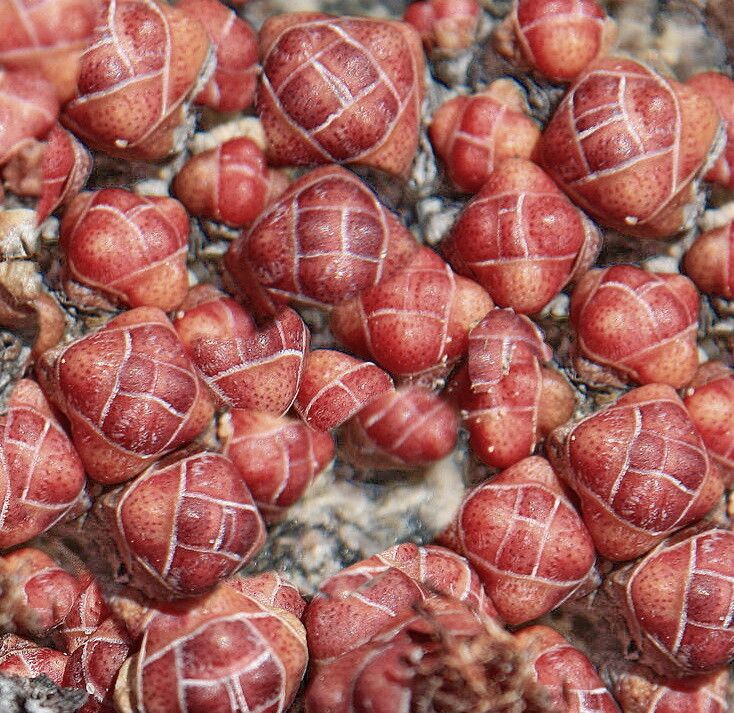
Crassula barklyi, commonly known as the Barkly Crassula, is a captivating succulent prized for its unique, upright growth habit and attractive, bluish-green leaves. Its relatively compact size and striking appearance make it a popular choice among succulent enthusiasts. While not as readily available as some other Crassula species, its intriguing characteristics make successful propagation a rewarding endeavor. However, the propagation of Crassula barklyi presents unique challenges, as we’ll explore below.
Seed Germination:
Currently, there are no known reliable methods for seed germination propagation of Crassula barklyi. While the plant may produce seeds, their germination rate is extremely low, and consistent success has yet to be documented in horticultural practices. Further research is needed to determine optimal germination conditions, if such conditions even exist.
Cuttings:
This is the most reliable and commonly used method for propagating Crassula barklyi.
-
Challenges: While relatively straightforward, achieving high success rates still requires attention to detail. Overwatering is a significant risk, leading to rot before rooting occurs. Using excessively large cuttings can also hinder the process.
-
Practical Tips: Use sharp, clean cutting implements to take stem cuttings, approximately 5-7cm long. Allow the cuttings to callus over for a few days before planting in well-draining succulent compost. Plant them shallowly, ensuring only the bottom node is buried. Water sparingly, only when the soil is completely dry, and provide bright, indirect light. Bottom heat can significantly improve rooting success.
-
Rewards: Cuttings provide a relatively fast and efficient means of propagating multiple plants from a single mother plant, preserving the desirable traits of the parent.
Division:
This method is feasible but depends on the maturity and size of the plant.
-
Challenges: Crassula barklyi doesn’t readily produce offsets or readily separate into multiple crowns like some other succulents. Dividing a mature plant can be disruptive and may result in stress or damage to the parent plant, potentially hindering its growth thereafter.
-
Practical Tips: Division should only be attempted on very mature plants that exhibit clear divisions at the base. Use a sharp, clean knife or trowel to carefully separate the divisions, ensuring each section has a healthy root system. Treat the divided sections as cuttings, allowing them to callus over before planting.
-
Rewards: Division offers an effective method of increasing the number of plants while minimizing the work involved compared to cuttings.
Tissue Culture:
This sophisticated method holds the potential for large-scale propagation of Crassula barklyi.
-
Challenges: Tissue culture requires specialized equipment, sterile environments, and a considerable understanding of plant tissue culture techniques. It’s not a practical method for the average home grower.
-
Practical Tips: This method is best left to laboratories or professionals with experience in plant tissue culture. Sterilization protocols are critical to prevent contamination.
-
Rewards: Tissue culture offers the potential for rapid multiplication of plants, producing large quantities of genetically identical plants in a controlled environment. It is ideally suited for conservation efforts or large-scale commercial propagation.
Conclusion:
Propagating Crassula barklyi presents unique challenges. While seed propagation is currently unreliable, cuttings offer the most accessible and effective method for the home grower. Division is possible with mature plants but carries risks to the parent plant. Tissue culture is ideal for large-scale propagation but requires specialized expertise and equipment. The rewards—multiplying this unique succulent and experiencing the satisfaction of successful cultivation—justify the effort involved. Remember patience is key, and paying careful attention to watering and providing appropriate lighting conditions is crucial for success with any propagation method. Don’t be discouraged by initial setbacks; the beauty of a thriving Barkly Crassula is a testament to the dedication and skill of its cultivator.