
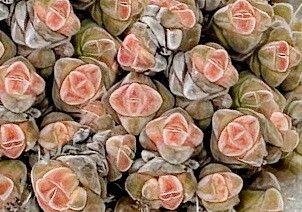
Propagating the Exquisite Crassula columella: A Gardener’s Guide
Introduction:
Crassula columella, commonly known as the "Candle-plant" or "Tower Crassula," is a captivating succulent prized for its unique, upright, columnar growth habit and attractive, textured leaves. Its miniature, almost architectural form makes it a highly sought-after addition to succulent collections, rock gardens, and miniature landscapes. The plant’s relatively slow growth, however, makes propagation a key method for expanding one’s collection or sharing this beautiful species with fellow enthusiasts. While several propagation methods exist, each presents its own set of challenges and rewards.
Seed Germination:
Currently, there are no known reliable methods for seed germination propagation of Crassula columella. While the plant does produce seeds, germination rates are notoriously low, and achieving successful germination consistently remains a significant hurdle for even experienced propagators. The tiny seeds are prone to fungal diseases and require highly specific conditions that are difficult to replicate reliably.
Cuttings:
1. Viability: Cuttings are the most successful and widely used method for propagating Crassula columella. Stem cuttings are particularly effective.
2. Challenges and Tips: The main challenge lies in preventing rot before rooting occurs. Use sharp, clean tools to take cuttings, allowing them to callus over for a few days before planting. Plant cuttings in well-draining, slightly moist, cactus and succulent potting mix. Avoid overwatering, which can lead to fungal infections and stem rot. Bottom heat can accelerate rooting. Rooting hormone is not strictly necessary but can improve success rates.
3. Rewards: Cuttings offer a relatively quick and easy method to produce multiple plants genetically identical to the mother plant. This is ideal for preserving desirable traits.
Division:
1. Viability: Division is a viable method, particularly for larger, established plants.
2. Challenges and Tips: The challenge lies in carefully separating the plant’s clumps without damaging individual stems or roots. Carefully remove the plant from its pot and gently tease apart the interconnected stems. Ensure each division has a sufficient root system for independent growth.
3. Rewards: Division provides a rapid means to increase the number of plants and is less technically demanding than other methods.
Tissue Culture:
1. Viability: Although possible, tissue culture is generally not a practical method for home propagators due to the specialized equipment, sterile environment, and technical expertise required.
2. Challenges and Tips: Maintaining a completely sterile environment is crucial to preventing contamination. The process requires specialized media, growth regulators, and aseptic techniques.
3. Rewards: Tissue culture allows for mass production of genetically identical plants, disease-free propagation, and the potential to preserve rare or endangered cultivars. This method is best left to commercial nurseries or specialized labs.
Conclusion:
Propagating Crassula columella presents unique challenges, with seed germination proving largely unsuccessful. Cuttings and division offer the most practical and rewarding options for home gardeners. While the initial success may require some patience and experimentation (particularly avoiding overwatering), the satisfaction of nurturing a cutting into a thriving miniature tower of succulents is substantial. The small size of the resulting plants and slow growth adds to the satisfaction of observing their progress. Don’t be disheartened by initial setbacks; the rewarding journey of successful propagation is well worth the effort. Remember to use well-draining soil, provide ample sunlight, and practice patience – your persistence will be rewarded with a flourishing collection of these captivating succulents.