
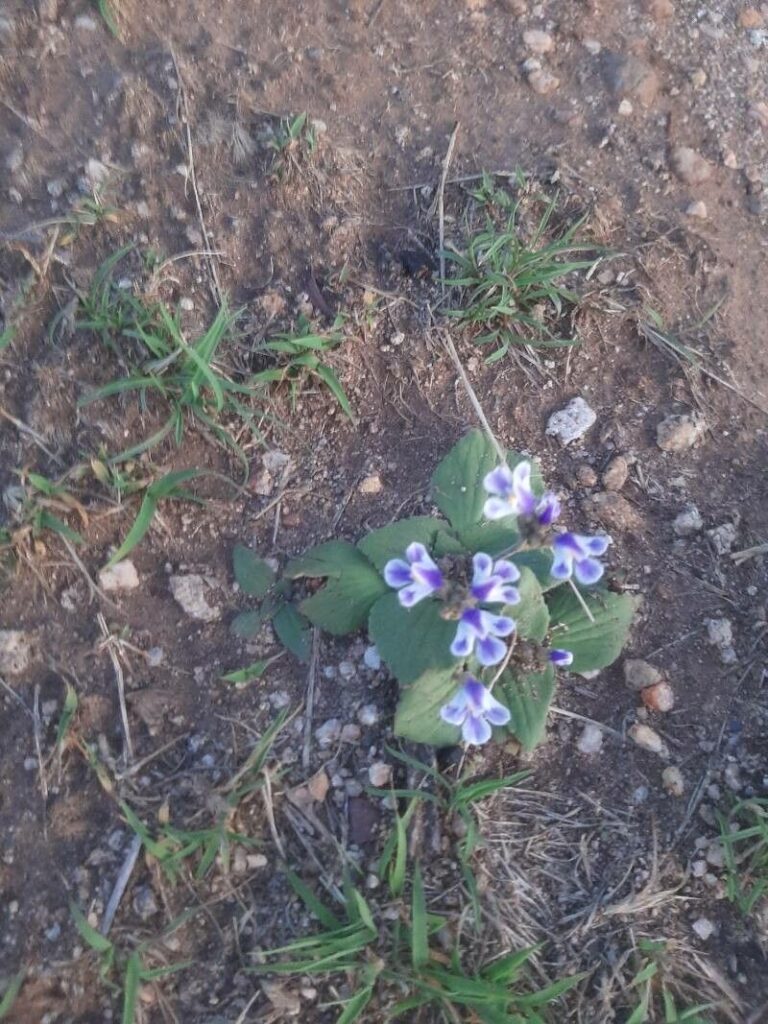
Waking the Sleeping Beauty: Propagating the Resurrection Plant (Craterostigma plantagineum)
The Craterostigma plantagineum, more commonly known as the Resurrection Plant, is a captivating botanical wonder. This fascinating plant, native to Africa, is famous for its ability to seemingly “resurrect” from a dry, brown husk back to a vibrant green rosette of leaves after rainfall. While its resilience and unique life cycle make it a popular houseplant, you might be surprised to learn that propagating it is not only achievable but surprisingly simple.
Let’s delve into the two primary methods of multiplying your Resurrection Plant collection:
Method 1: Seed Propagation
- Timing is Key: Begin seed propagation in early spring, just as the growing season kicks off.
- Source Your Seeds: You can harvest seeds from existing Craterostigma flowers (they appear after the plant “resurrects”) or purchase them from reputable online retailers specializing in unique plants.
- Preparation is Power:
- Use a seed starting mix that drains well. A mixture of peat moss and perlite or sand works well.
- Moisten the seed starting mix thoroughly before sowing.
- Sowing the Magic: Sprinkle the tiny seeds over the surface of the damp mixture, but don’t bury them. The seeds require light to germinate.
- Creating the Ideal Environment:
- Cover the container with a clear plastic wrap or a humidity dome to retain moisture and create a warm, humid environment.
- Place the container in a bright location, but out of direct sunlight.
- Maintain a temperature between 70-75°F (21-24°C).
- Germination Delight: Be patient, as germination can take anywhere from 1 to 4 weeks. Once the seedlings emerge and have developed a couple of true leaves, you can carefully transplant them into individual pots.
Method 2: Division
- The Right Time and Candidate: Divide established Craterostigma plants in early spring, just before the growing season starts. Choose plants that have formed multiple rosettes.
- Division Process:
- Gently remove the plant from its pot and carefully tease apart the rosettes, ensuring each division has a good portion of roots attached.
- If the roots are entangled, use a clean, sharp knife or pair of scissors to separate them.
- Potting Up:
- Plant each division in a well-draining potting mix, ensuring the top of the root ball is level with the soil surface.
- Water thoroughly and place in a bright location, out of direct sunlight.
General Care for New Propagations:
- Watering Wisely: Like mature Resurrection plants, avoid overwatering. Allow the soil to dry between waterings. Remember, these plants are adapted to survive drought.
- Light Requirements: Place your new plants in bright, indirect light. Direct sunlight can scorch the leaves, especially during the hottest part of the day.
- Fertilizer: Feed lightly with a balanced liquid fertilizer diluted to half strength once a month during the growing season (spring and summer).
Propagating your Resurrection Plant is a rewarding experience, allowing you to share these captivating plants with others or expand your collection. With a little patience and the right approach, you’ll be able to witness the miracle of these resilient plants coming to life, generation after generation.