
Unlocking the Secrets of the Sacred Wari Tree: Propagating Crateva Palmeri
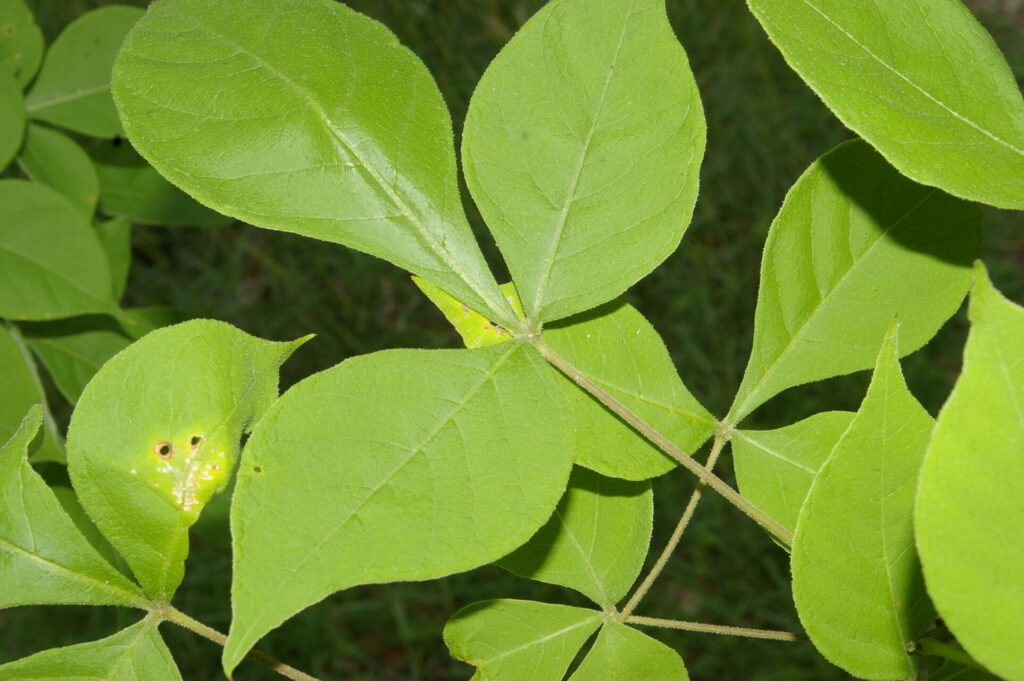
The Crateva palmeri, more affectionately known as the “sacred wari tree,” is a fascinating specimen. Native to the Sonoran Desert region, this deciduous tree boasts vibrant green foliage and bursts forth with showy white and purple flowers in springtime. Beyond its ornamental beauty, the wari tree holds cultural significance to indigenous communities, who utilized its fruits and bark for food and medicinal purposes.
If you’re yearning to welcome this unique piece of the Sonoran Desert into your own landscape, propagation is the key. While wari trees can be challenging to propagate, success is possible with the right knowledge and a touch of patience. Here’s a guide to help you on your journey:
Method 1: Seed Propagation – Embracing the Element of Chance
- Seed Collection: Gather ripe fruits directly from the tree, ideally in late summer or early fall. Look for fruits that have turned a yellowish-brown color. Extract the seeds, which are encased within the pulpy fruit.
- Seed Preparation: Remove the fleshy pulp surrounding the seeds. This can be achieved through fermentation (soaking in water for a few days) or by manually removing the pulp. Cleaned seeds have a higher germination rate.
- Sowing the Seeds: Plant the seeds in a well-draining seed-starting mix, burying them approximately half an inch deep. Keep the soil consistently moist but not waterlogged.
- Patience is Key: Germination times can be erratic, ranging from a few weeks to several months. Provide a warm and bright location, but avoid direct sunlight.
- Transplanting Seedlings: Once seedlings have developed a couple of sets of true leaves, carefully transplant them into individual pots with a well-draining potting mix.
Method 2: Cutting Propagation – A Quicker Route to Success
- Timing is Everything: Take cuttings from healthy, mature branches in late spring or early summer when the plant is actively growing.
- Selecting the Cuttings: Choose semi-hardwood cuttings that are approximately 4-6 inches long. Each cutting should have several nodes (the bumps where leaves emerge).
- Preparing the Cuttings: Remove leaves from the lower half of the cutting. Dip the cut end in a rooting hormone to encourage root development (optional but helpful).
- Planting the Cuttings: Plant the cuttings in a moist, well-draining rooting medium, such as a mix of perlite and peat moss. Keep the cuttings in a humid environment by enclosing the pot in a plastic bag or using a propagation dome.
- Monitoring and Care: Place the cuttings in a warm location with bright, indirect light. Ensure the rooting medium remains consistently moist.
- Root Development: With proper care, roots should develop within 4-8 weeks. Once roots are established, you can transplant the cuttings into larger pots.
Nurturing Your Wari Tree
Whether starting from seed or cuttings, young wari trees require attentive care. Here are a few essential tips:
- Well-Draining Soil: Plant in well-draining soil to prevent root rot.
- Sun Worshippers: Provide your wari tree with at least 6 hours of direct sunlight daily.
- Watering Wisely: Water deeply but infrequently, allowing the soil to dry slightly between waterings.
- Pruning for Structure: Prune in late winter or early spring to remove dead or damaged branches and shape the tree.
Propagating a Crateva palmeri might require some effort, but the rewards are well worth it. Imagine the satisfaction of nurturing this magnificent tree from seed or cutting to a thriving specimen in your own backyard. With patience and care, you can unlock the secrets of the sacred wari tree and contribute to the preservation of this unique species.