
Unveiling the Secrets to Propagating the Elegant Crepis albida
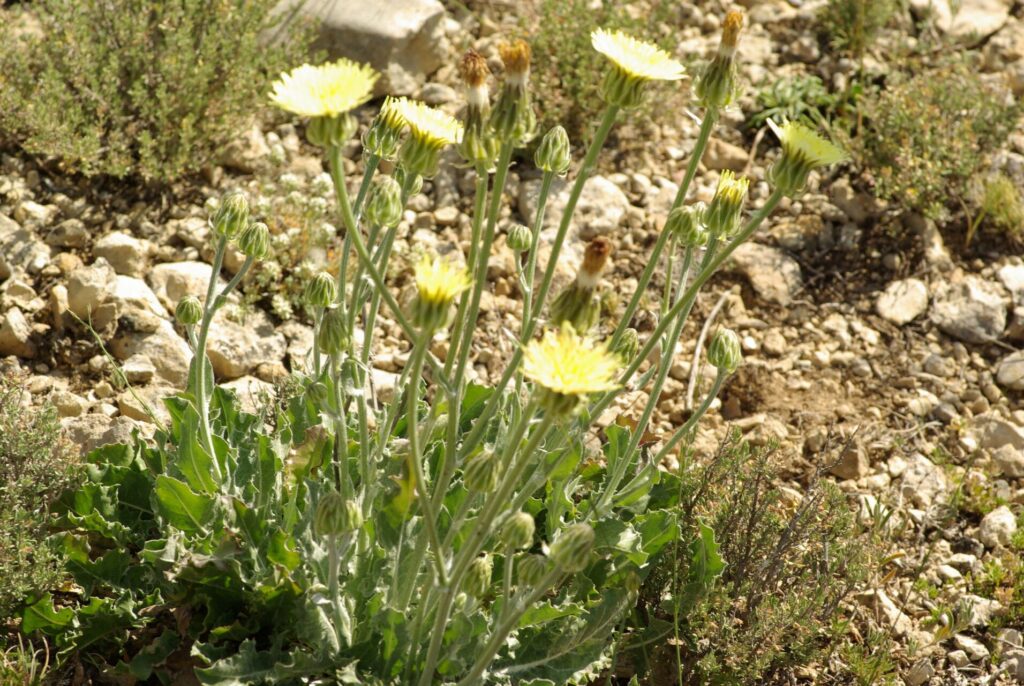
The Crepis albida, also known as the White Hawk’s Beard, captivates with its delicate, dandelion-like blooms. This charming European native thrives in rock gardens, alpine gardens, or even charmingly tucked within crevices in walls. While readily available for purchase, wouldn’t it be rewarding to cultivate this beauty yourself? Read on as we delve into the art of propagating Crepis albida, exploring both the merits and intricacies of each method.
Two Paths to Propagation:
Propagating Crepis albida presents you with two effective pathways: embracing the simplicity of seed sowing or taking the slightly more challenging route of cuttings. Each approach caters to different preferences and levels of gardening experience.
1. Starting Anew: The Allure of Seeds
For beginners, starting from seed offers a straightforward and immensely satisfying experience.
- Sowing Time: Spring is the ideal season to sow your Crepis albida seeds, welcoming warmth and the promise of growth.
- Sowing Medium: Opt for a well-draining seed starting mix or concoct your own blend using equal parts peat moss, perlite, and vermiculite.
- Sowing Depth: Lightly sprinkle the seeds onto the soil surface, ensuring they receive ample light for germination. Gently press them down, providing good contact but avoiding burying them too deep.
- Location, Location, Location: Choose a bright location, bathed in indirect light, to nurture your seedlings.
- Moisture is Key: Maintain a consistently moist environment for your seeds, using a spray bottle to mist the soil surface and prevent disturbing the delicate seeds.
- Patience is a Virtue: Germination typically requires 2-3 weeks, a time to exercise patience and anticipation.
2. Cloning your Favorite: Propagating from Cuttings
For seasoned gardeners seeking to replicate the exact characteristics of a particularly stunning specimen, cuttings provide the perfect avenue.
- Timing is Everything: Early summer, when the plant is actively growing, is the optimal time to gather cuttings.
- Selecting the Perfect Cuttings: Choose healthy, non-flowering stems, approximately 3-4 inches in length.
- Preparing the Cuttings: Using a sharp, clean knife or pair of pruning shears, make a clean cut just below a leaf node. Remove the lower leaves, leaving a few at the top to facilitate photosynthesis.
- Encouraging Root Development: Dip the cut end in rooting hormone to accelerate the process, although this step is optional.
- Planting the Cuttings: Plant the cuttings in a well-draining potting mix, ensuring the leaf nodes are buried.
- Creating a Humid Haven: To promote rooting, cover the pot with a clear plastic bag or humidity dome, ensuring good ventilation to prevent fungal growth.
- Patience Remains Key: Rooting typically takes several weeks. Once you observe new growth, it’s a sure sign that your cuttings have successfully taken root.
Nurturing Your Crepis albida:
Regardless of your chosen propagation method, your Crepis albida will thrive in well-draining soil and a sunny location, tolerating some shade. Water regularly, allowing the soil to dry slightly between waterings, and fertilize every 4-6 weeks during the growing season.
Propagating Crepis albida, whether from seed or cuttings, presents a gratifying experience for gardeners of all levels. By embracing these techniques, you too can cultivate this exquisite plant, adding a touch of elegance and charm to your garden sanctuary.