
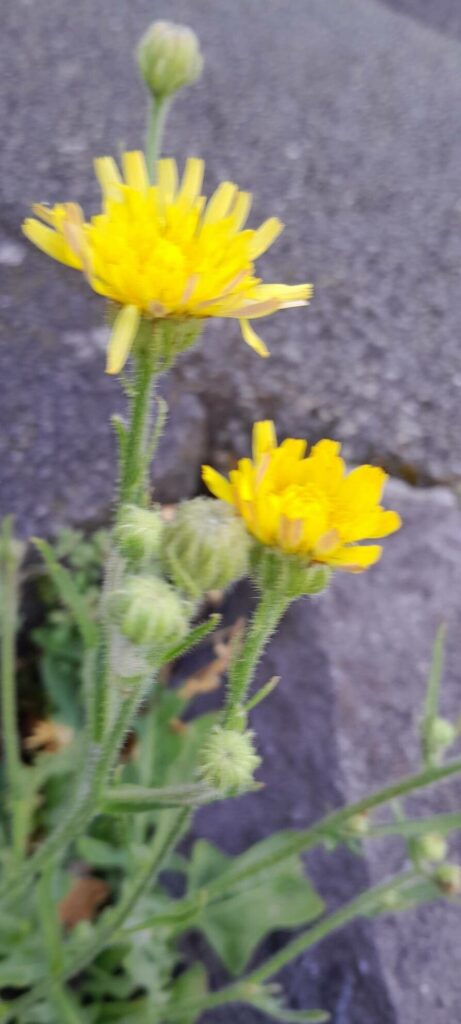
Taming the Stinky Hawksbeard: A Guide to Propagating Crepis foetida
Don’t let the name fool you! Crepis foetida, more affectionately known as the Stinky Hawksbeard, might have a less-than-appealing aroma, but this intriguing plant is a fascinating addition to any gardener’s repertoire. Native to Europe and Western Asia, this annual herb boasts unique dandelion-like flowers and, yes, a pungent odor when its leaves are crushed. Intrigued? If you’re ready to embrace the unusual and welcome the Stinky Hawksbeard into your garden, here’s how to propagate this unusual beauty.
Method 1: Seed Starting (The Preferred Approach)
Crepis foetida readily reproduces from seed, making this the easiest and most effective method of propagation:
- Seed Collection: Patience is key! Wait until the flowers mature and form seed heads, resembling fluffy dandelion clocks. Collect the seeds on a dry day, ensuring they detach easily from the flower head.
- Sowing Time: You have two options:
- Autumn Sowing: Mimic nature by sowing seeds directly outdoors in the fall. This allows the seeds to undergo natural stratification (a period of cold exposure) during winter, leading to germination in spring.
- Spring Sowing (Indoors): For earlier blooms or warmer climates, start seeds indoors 6-8 weeks before the last frost. Use seed trays filled with well-draining seed starting mix. Sow seeds shallowly and keep them consistently moist.
- Transplanting: Once seedlings have developed a couple of true leaves and the risk of frost has passed, carefully transplant them to their final location in the garden.
Method 2: Division (For Established Plants)
While less common, division is possible for well-established Crepis foetida plants:
- Timing is Everything: Divide in early spring when new growth begins.
- Carefully Extract: Gently lift the entire plant from the ground, ensuring you get a good portion of the root system.
- Divide and Conquer: Using a sharp, clean knife or garden shears, divide the plant into sections, ensuring each section has ample roots and shoots.
- Replant: Replant the divisions immediately into their new location, ensuring to water them in well.
Tips for Success:
- Well-Draining Soil: Stinky Hawksbeard prefers well-drained soil. Amend heavy clay soils with compost or sand to improve drainage.
- Sunlight is Key: Choose a location that receives full sun to partial shade.
- Don’t Overwater: While Crepis foetida enjoys consistently moist soil, overwatering can lead to root rot. Allow the soil to dry out slightly between watering sessions.
- Embrace the Aroma (Or Not!): Pinch off spent flowers to encourage more blooms and minimize the plant’s characteristic odor.
A Word of Caution: Crepis foetida can be toxic to livestock, so exercise caution if you have grazing animals nearby.
By following these propagation tips, you’ll be well on your way to nurturing this intriguing plant. So, embrace the unusual, and enjoy the unique beauty and fascinating life cycle of the Stinky Hawksbeard!