
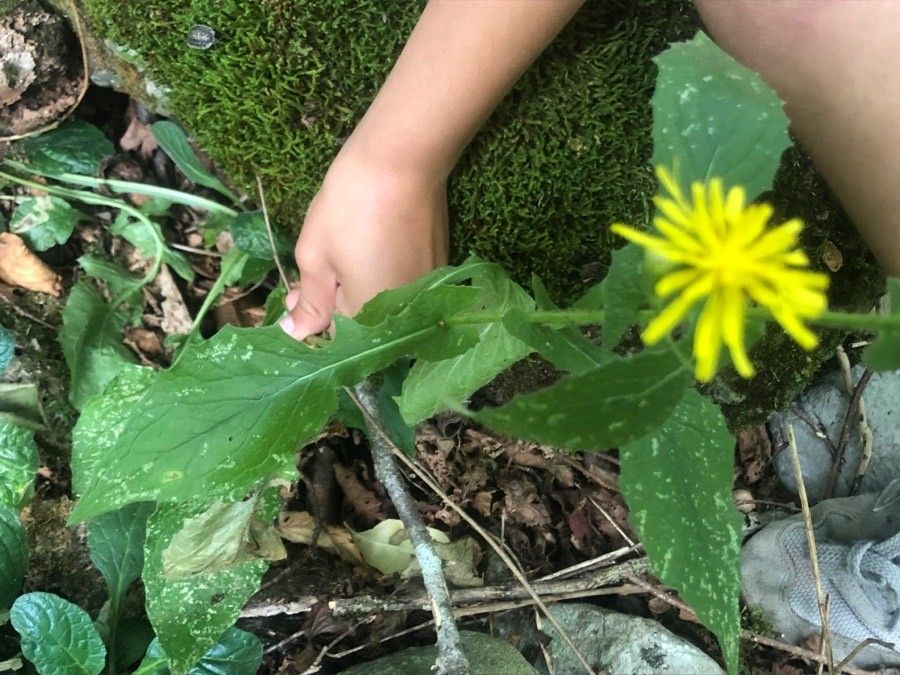
Conquering the Crags: Propagating the Majestic Crepis pyrenaica
The Crepis pyrenaica, also known as the Pyrenean Hawksbeard, isn’t your average garden variety flower. This alpine beauty, with its vibrant yellow dandelion-like blooms and statuesque stature, hails from the craggy slopes of the Pyrenees mountains. While its rugged origins might seem intimidating, propagating this striking plant is a rewarding challenge for gardeners seeking a touch of mountain magic.
Before embarking on your propagation journey, it’s crucial to understand the preferred growing conditions of this alpine species. Crepis pyrenaica thrives in well-drained soil with a slightly acidic to neutral pH. Mimicking its natural habitat by providing a gritty, rocky soil mix is key to success. Full sun to partial shade is ideal, and good air circulation will help prevent fungal diseases.
Now, let’s explore the two primary methods of propagating Crepis pyrenaica:
1. Seed Sowing:
This method, while requiring a touch more patience, offers the satisfaction of nurturing a plant from its very beginnings.
- Timing is Key: Sow seeds in late winter or early spring, either directly into the garden after the last frost or indoors for later transplantation.
- Sowing Depth: Sprinkle the fine seeds over a well-prepared seed tray or directly into the ground, barely covering them with a fine layer of soil.
- Germination Patience: Germination can be slow, taking anywhere from 2 to 4 weeks. Maintaining consistent moisture and a warm temperature (around 20°C) will encourage sprouting.
- Thinning and Transplanting: Once seedlings have developed a few true leaves, thin them out to provide ample space for growth. Transplant outdoors after the last frost, ensuring a well-hardened off plant for best results.
2. Division:
For a faster and more immediate gratification, division is an excellent propagation method for established Crepis pyrenaica plants.
- When to Divide: Spring, just as new growth emerges, is the optimal time for division.
- Dividing the Crown: Carefully lift the entire plant from the ground, ensuring minimal damage to the root system. Using a sharp, clean knife or garden spade, divide the plant into sections, ensuring each section has a good amount of roots and shoots.
- Replanting: Replant the divisions at the same depth they were originally growing. Water well and provide some shade for the first few weeks while the divided plants acclimate to their new home.
Caring for Your Propagated Crepis pyrenaica:
- Watering: While tolerant of some drought conditions once established, consistent watering is essential, especially during the first year. Aim for soil that is moist but not waterlogged.
- Fertilizing: A light application of a balanced fertilizer in spring will suffice for this low-maintenance beauty.
- Deadheading: Regularly removing spent blooms will encourage further flowering and a tidier appearance.
Propagating Crepis pyrenaica, though requiring a dash of dedication, is an achievable feat for gardeners of all levels. The reward? Witnessing firsthand the magnificent transformation of this alpine treasure from seed or division to a flourishing testament of your gardening prowess. So, embrace the challenge and let the captivating charm of the Pyrenean Hawksbeard grace your garden with its unique allure.