
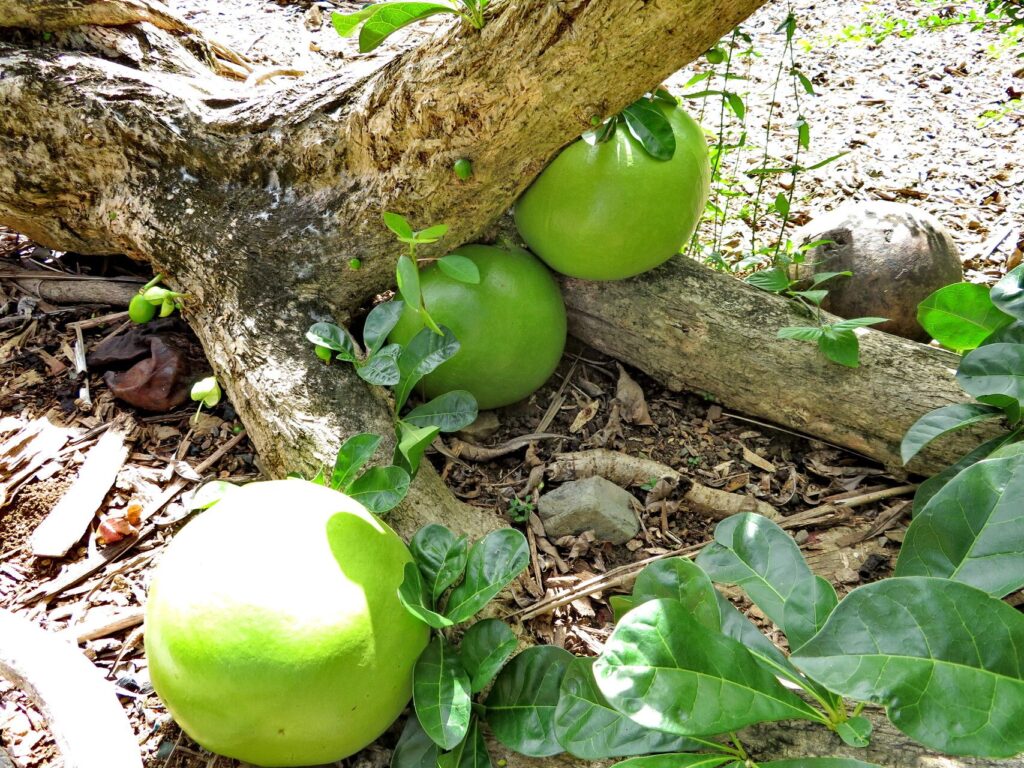
From Seed to Shade: Growing Your Own Calabash Tree
The Calabash Tree (Crescentia cujete), with its unique, gourd-like fruit and iconic branches, is a captivating sight. But did you know that this fascinating tree is also surprisingly easy to propagate? Whether you’re seeking to add a tropical touch to your garden or simply want to marvel at its growth, cultivating your own Calabash Tree is an achievable and rewarding experience.
A Tale of Two Methods: Seeds and Cuttings
The Calabash Tree can be propagated through two primary methods: seed germination and stem cuttings. Both have their pros and cons, making the choice dependent on your personal preferences and the time of year.
1. From Seed to Sapling:
- The Method: Seed propagation is the most common method. It involves collecting ripe, mature Calabash fruits, extracting the seeds, and preparing them for planting.
- The Process:
- Fruit Selection: Opt for fruits that have turned brown and are slightly softened.
- Seed Extraction: Slice open the fruit and gently remove the seeds. Wash them thoroughly to remove any pulp.
- Drying and Planting: Allow the seeds to dry for a few days in a cool, shaded area. Then, sow them directly into well-drained soil. Alternatively, you can start them in seed trays or pots filled with seed-starting mix.
- The Essentials:
- Sunlight: Calabash seeds prefer bright, indirect sunlight.
- Temperature: Maintain a warm temperature (around 70-80°F) for optimal germination.
- Watering: Keep the soil consistently moist but not soggy.
- Patience: Germination can take anywhere from several weeks to a few months.
2. Taking a Cutting:
- The Method: Propagating through cuttings offers speedier results, especially if you have access to a mature Calabash Tree. It involves taking a stem cutting and rooting it in a suitable medium.
- The Process:
- Cutting Selection: Choose a healthy, non-flowering stem that’s roughly 6-8 inches long.
- Cutting Preparation: Make a clean, angled cut at the base of the cutting. Remove any leaves from the bottom 2-3 inches of the stem.
- Rooting Medium: Plant the cutting in a mixture of perlite and vermiculite or a pre-mixed rooting hormone.
- The Essentials:
- Humidity: Maintain high humidity around the cutting to encourage root development. Use a humidity dome or plastic wrap.
- Indirect Light: Offer bright, indirect sunlight.
- Watering: Keep the rooting medium slightly moist.
Beyond the Basics:
- Time of Year: Both methods are best undertaken during warm seasons when temperatures are conducive to plant growth.
- Location: Choose a sunny spot with well-drained soil for your Calabash tree.
- Water Wisely: Calabash trees are relatively drought-tolerant once established. However, they benefit from regular watering, especially during the first few years after planting.
A Green Reward:
Growing your own Calabash Tree is a delightful journey. It offers not only the satisfaction of nurturing a unique plant but also the joy of watching it flourish. From its intricate branches to its captivating fruit, the Calabash Tree adds a touch of the exotic and the captivating to your garden, a testament to the beauty of nature’s resilience and the magic of propagation.