
Propagating the Scarlet Crocus: A Gardener’s Guide to Crocus reticulatus
Introduction
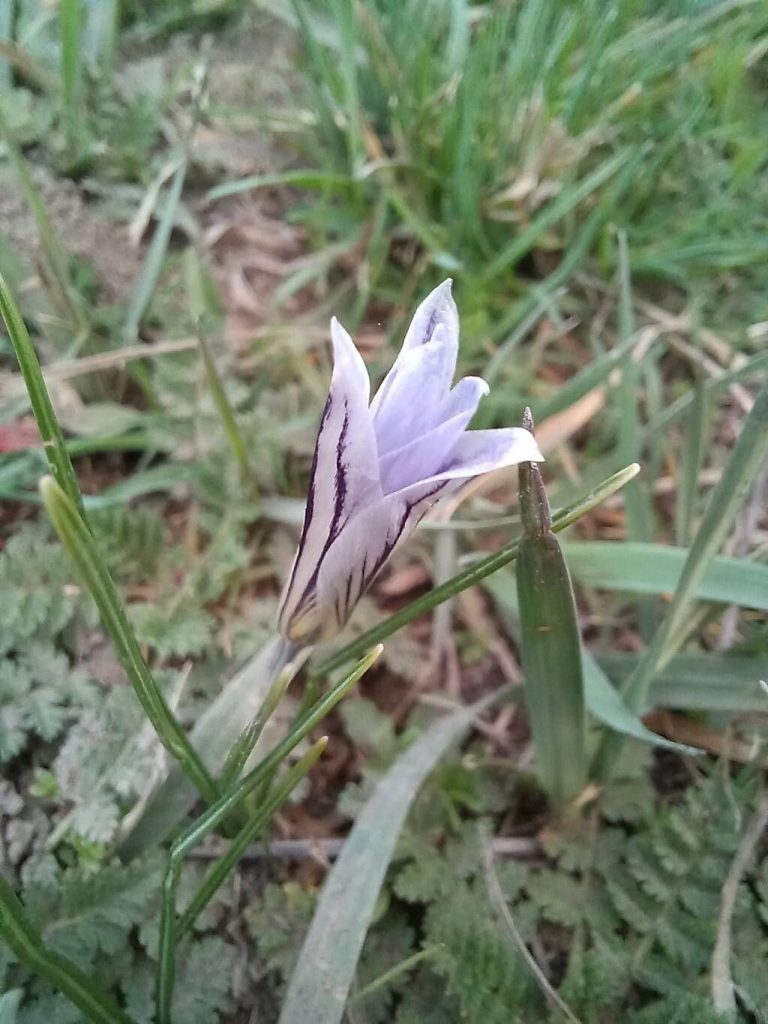
Crocus reticulatus, commonly known as the Scarlet Crocus or Netted Crocus, is a captivating member of the Iridaceae family. Its vibrant, intensely coloured purple-violet to deep crimson flowers, often boasting striking orange anthers, emerge early in the season, bringing a welcome splash of colour to autumn and early spring gardens, depending on the climate. Its reticulated (net-like) tunic gives it its specific epithet. Its diminutive size and striking blooms make it a popular choice amongst rock garden enthusiasts, while its early flowering habit makes it a valuable addition to any autumn or early spring planting scheme. However, propagation can present unique challenges, making successful cultivation all the more rewarding.
Seed Germination
Seed germination of Crocus reticulatus is possible but presents significant challenges. Seeds require a period of cold stratification to break dormancy. This typically involves mimicking natural winter conditions by sowing seeds in moist compost and storing them in a refrigerator at approximately 4°C (39°F) for 8-12 weeks. After stratification, seeds should be sown in a well-drained seed-sowing mix, kept moist, and placed in a bright but cool location. Germination can be slow and erratic, often taking several months. Rewards include obtaining genetically diverse plants, though it’s a lengthy process unsuitable for large-scale propagation, and flowering may not occur for several years.
Cuttings
Currently, there are no known reliable methods for propagating Crocus reticulatus from cuttings. Corms are the primary means of asexual reproduction for this species, and attempts at vegetative propagation through leaf or stem cuttings have not proven successful.
Division
Division is the most practical and effective method for propagating Crocus reticulatus. After the foliage has died back fully (typically late spring or early summer), carefully lift the corms. Healthy mature corms will often produce offsets (daughter corms) that can be separated and replanted. Ensure each division has a portion of healthy rhizome and roots for successful establishment. Plant immediately in well-drained soil within about 2 inches of the surface, allowing ample room for the new corms to develop. The rewards are quick establishment and flowering within a year, making it the preferred method for many gardeners. The challenge lies in handling the delicate corms without causing damage, and selecting offsets large enough to survive and thrive.
Tissue Culture
Tissue culture offers a potential method for large-scale propagation of Crocus reticulatus. However, this technique requires specialized laboratory equipment and expertise, making it inaccessible to the average gardener. Establishing sterile culture conditions and finding the optimal growth medium and hormone treatments would be crucial for successful propagation. While potentially yielding numerous identical plants rapidly, it is costly and complex.
Conclusion
Propagating Crocus reticulatus presents unique challenges depending on the chosen method. Seed germination, while offering genetic diversity, is slow and uncertain. Cuttings are not a viable option. Division is the most practical and readily accessible method for gardeners, providing rapid results, but requires careful handling of the corms. Tissue culture offers potential for large-scale production but requires specialized knowledge and resources. The unique satisfaction derived from successfully cultivating this beautiful crocus comes from overcoming these propagation challenges. The vibrant blooms that reward the patient gardener are, therefore, particularly cherished, making the effort truly worthwhile. For the average gardener, mastering the art of corm division is heartily recommended as the most efficient path towards enjoying a flourishing patch of Scarlet Crocuses.