
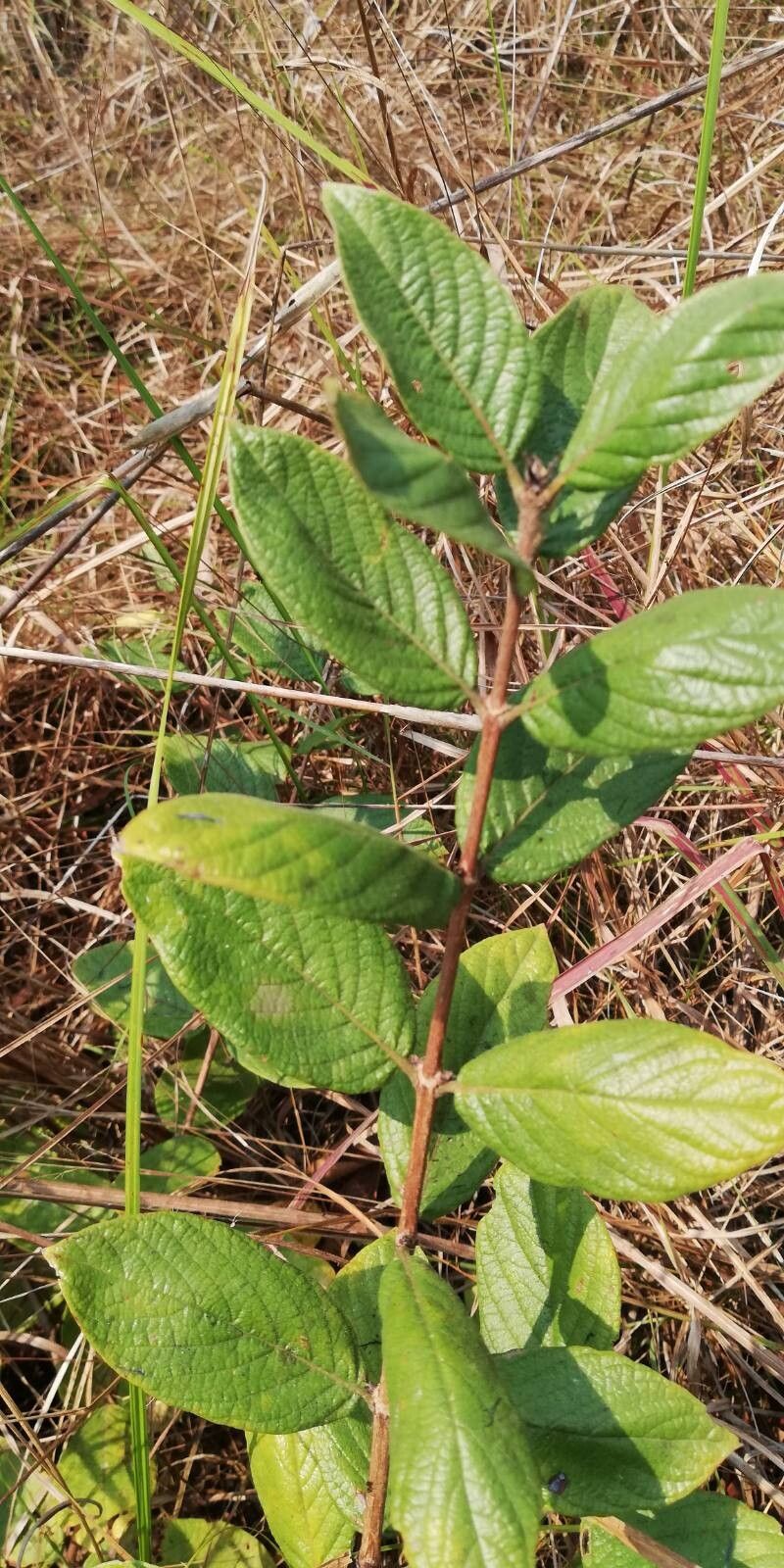
Taming the Fever Tree: A Guide to Propagating Crossopteryx febrifuga
The Crossopteryx febrifuga, more commonly known as the African fever tree, is a fascinating plant with a rich history of medicinal use. Native to Africa and parts of Yemen, this resilient tree boasts vibrant red fruit and a distinctive silhouette. Whether you’re drawn to its ethnobotanical significance or simply its unique aesthetic, learning to propagate the African fever tree can be a rewarding endeavor.
This guide will delve into the two main methods of propagating Crossopteryx febrifuga:
1. Seed Propagation:
Collection and Preparation: The most crucial aspect of successful seed propagation lies in obtaining fresh, viable seeds. Look for ripe, bright red fruit on the tree. Once collected, extract the seeds and remove any surrounding pulp. It’s important to note that Crossopteryx febrifuga seeds have a relatively short period of viability, so it’s best to sow them soon after collection.
Sowing: Opt for a well-draining seed starting mix. Sow the seeds superficially, lightly pressing them into the dampened mix. Cover the container with a clear plastic bag or humidity dome to create a warm, humid environment that promotes germination.
Germination: Place the container in a warm, brightly lit location but avoid direct sunlight. Germination typically takes several weeks to a few months, so patience is key. Keep the soil consistently moist but not waterlogged.
- Transplanting: Once the seedlings have developed a couple of sets of true leaves, they are robust enough to be transplanted into individual pots. Choose pots with good drainage and use a well-draining potting mix.
2. Propagation from Cuttings:
Timing: The optimal time for taking cuttings is during the plant’s active growing season, typically in spring or early summer.
Taking Cuttings: Select healthy, semi-hardwood stems. These are stems that are mature but still have some flexibility. Using a sharp, sterilized knife or pruning shears, make a clean cut just below a leaf node. The ideal cutting length is around 4-6 inches.
Preparing the Cuttings: Remove the lower leaves from the cutting, leaving only 2-3 leaves at the top. Dip the cut end in rooting hormone powder (optional but often beneficial) to encourage root development.
Planting: Insert the prepared cuttings into a well-draining rooting medium, such as a perlite and vermiculite mix or a peat-based seed starting mix. Moisten the medium thoroughly and cover the cuttings with a clear plastic bag or humidity dome to maintain high humidity.
Rooting: Place the cuttings in a warm, brightly lit location, out of direct sunlight. Rooting typically takes several weeks. Monitor the moisture levels and mist the cuttings regularly to prevent dehydration.
- Transplanting: Once the cuttings show signs of new growth, indicating successful rooting, they can be carefully transplanted into individual pots with a well-draining potting mix.
Caring for your African Fever Tree:
Crossopteryx febrifuga thrives in warm climates with well-draining soil and ample sunlight. Water it regularly during its establishment phase, but once established, it is relatively drought tolerant.
A Note of Caution:
While traditionally used for its medicinal properties, it’s crucial to remember that self-treating with any plant, including Crossopteryx febrifuga, can be dangerous. Always consult with a qualified healthcare professional before using any plant for medicinal purposes.
Propagating your own Crossopteryx febrifuga is a rewarding way to connect with this remarkable tree. With patience and care, you can successfully propagate the African fever tree and enjoy its unique beauty for years to come.