
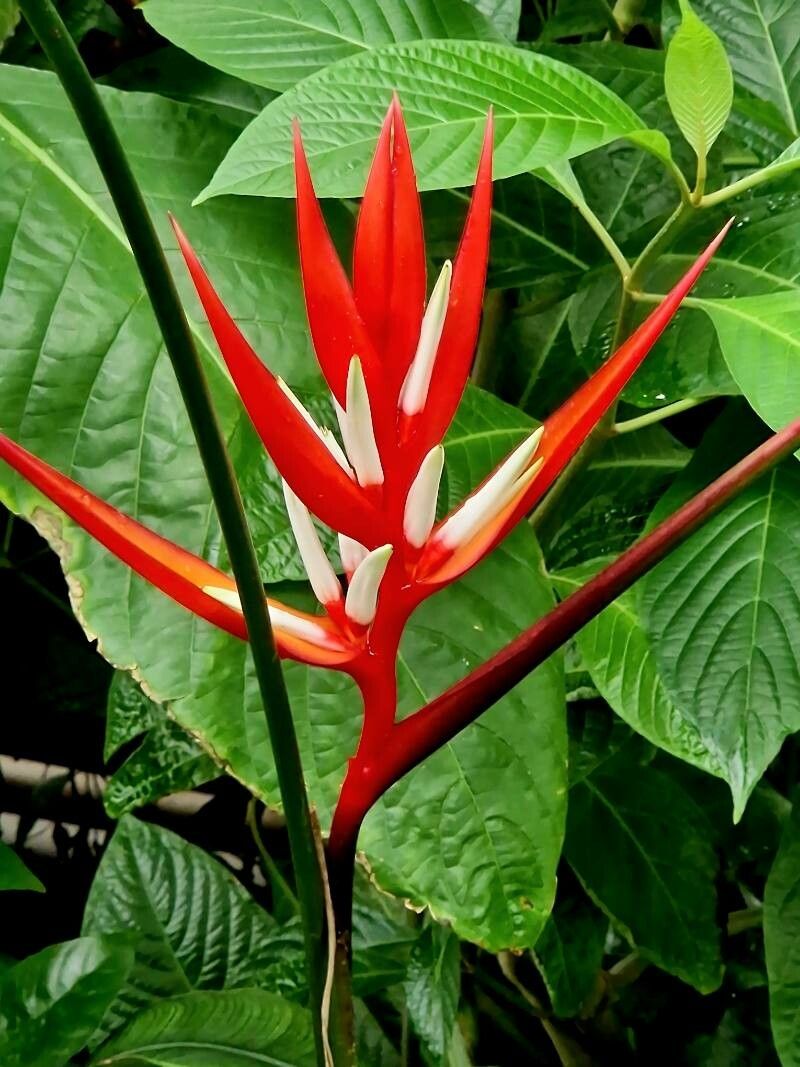
Unfurling the Tropics: A Guide to Propagating Your Own Heliconia Angusta
The Heliconia angusta, with its vibrant, lobster-claw-shaped bracts, brings a taste of the tropics to any setting. Native to South America, this striking plant, sometimes called the Parrot’s Beak or False Bird of Paradise, thrives in warm climates. Fortunately, you don’t need a rainforest to enjoy their beauty – propagating your own Heliconia angusta is achievable and rewarding. Let’s explore the two most effective methods:
1. Division: The Simplicity of Sharing
Division is the easiest and quickest way to propagate Heliconia angusta, ensuring identical replicas of the parent plant. Here’s how:
- Timing is Key: Spring, just as new growth appears, is the ideal time for division.
- Unearth and Divide: Carefully dig up a mature clump, ensuring you get a good root mass. Using a sharp, sterilized knife or spade, divide the clump into sections, each containing at least 2-3 healthy shoots and a robust root system.
- Replant and Thrive: Replant the divisions immediately in well-draining soil, ensuring the crown (where the stem meets the roots) sits slightly above soil level. Water thoroughly and provide ample shade for the first few weeks as the divisions establish themselves.
2. Seeds: Embracing the Element of Surprise
While slightly more challenging, growing Heliconia angusta from seed offers a unique experience and a chance to witness the plant’s entire lifecycle.
- Seed Selection: Obtaining fresh seeds from a reputable source is crucial. Look for plump, healthy seeds without any signs of damage.
- Waking Up the Seeds: Heliconia seeds have a hard outer coating that requires scarification to promote germination. Gently nick or file the seed coat, being careful not to damage the inner seed.
- Patience is a Virtue: Soak the nicked seeds in lukewarm water for 24-48 hours. Plant them in a well-draining seed starting mix, barely covering them with soil. Keep the soil consistently moist and warm (around 75-85°F). Germination can take anywhere from a few weeks to several months, so patience is key.
- From Seedling to Stunner: Once seedlings develop a few sets of true leaves, they can be transplanted to larger containers or directly into the garden if you live in a frost-free zone.
Nurturing Your Heliconia Angusta
No matter your chosen propagation method, providing the right environment is essential for your Heliconia’s success:
- Sunlight: These tropical beauties thrive in bright, indirect sunlight.
- Water: Keep the soil consistently moist, but avoid overwatering, which can lead to root rot.
- Humidity: Heliconias enjoy humid environments. Misting the leaves regularly, using a humidifier, or placing the plant on a pebble tray filled with water can help increase humidity.
- Fertilizer: Regular feeding during the growing season with a balanced fertilizer will encourage healthy growth and vibrant blooms.
A Rewarding Endeavor
Propagating your own Heliconia angusta, whether through division or seed, is an enriching experience. With a little patience and care, you can enjoy the vibrant, tropical charm of these magnificent plants, adding a touch of paradise to your own backyard.