
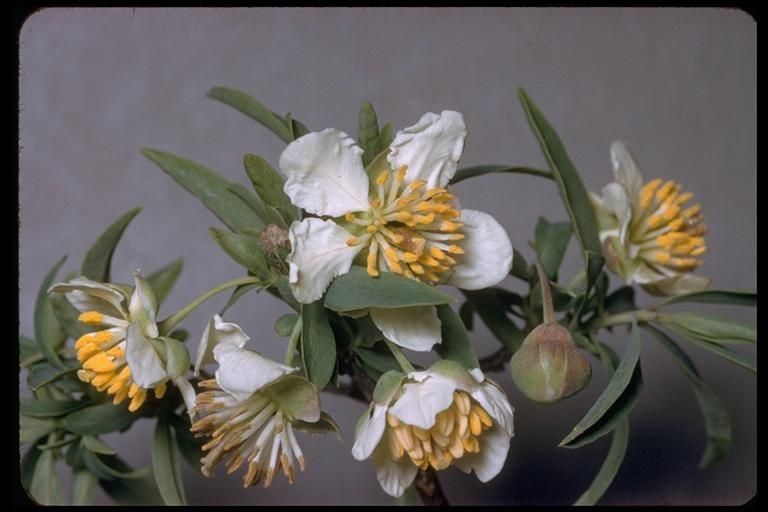
Taming the California Crossosoma: Propagation Tips for a Rare Beauty
The California Crossosoma, with its charming white flowers gracing wild chaparral landscapes, isn’t your average garden variety. This rare and beautiful shrub, native to California and Baja California, presents a unique propagation challenge. If you’re up for the task of nurturing this botanical treasure, get ready to delve into the world of seeds, cuttings, and a good dose of patience.
Seed Propagation: A Journey of Patience and Persistence
Propagating California Crossosoma from seed is a rewarding, albeit slow, process. Fresh seeds offer the highest germination rate, so collecting them directly from mature fruits in the wild (with appropriate permissions, of course) is ideal.
Here’s what you need to know about seed propagation:
- Seed Dormancy: The seeds of California Crossosoma exhibit dormancy, meaning they require a period of cold stratification to jumpstart germination. Mimic nature’s cycle by:
- Soaking: Submerge the seeds in water for 24 hours.
- Cold Stratification: Mix the soaked seeds with a moist medium like vermiculite or sand, and store them in a sealed bag in your refrigerator (around 40°F) for 60-90 days.
- Sowing the Seeds: Once stratified, sow the seeds in a well-draining seed starting mix. Lightly cover them with the mix and mist regularly to keep the soil moist but not soggy.
- Patience is Key: Germination can take several weeks to months, so don’t despair if you don’t see sprouts immediately.
- Transplanting: Once seedlings have developed a sturdy root system and several sets of true leaves, they can be transplanted into individual pots or directly into the ground.
Cuttings: A Faster, Yet Trickier, Route
Propagating from cuttings, while potentially faster than seed propagation, offers its own set of challenges. The success rate can be variable, requiring careful attention to detail:
- Timing is Everything: Early morning during the spring or fall, when the plant is actively growing, is the best time to take cuttings.
- Selecting the Cuttings: Choose healthy, non-flowering stems, about 4-6 inches long. Ideally, select semi-hardwood cuttings – stems that are somewhat pliable but starting to become woody.
- Preparing the Cuttings:
- Remove the leaves from the lower half of the cutting.
- Make a clean cut just below a leaf node (where the leaf attaches to the stem).
- Dip the cut end in rooting hormone powder to encourage root development.
- Planting the Cuttings: Plant the cuttings in a well-draining potting mix, ensuring the bottom node is buried.
- Creating a Humid Environment: Cover the pot with a clear plastic bag or humidity dome to retain moisture.
- Monitoring and Care: Keep the potting mix consistently moist and place the cuttings in a bright location, out of direct sunlight. Roots should develop in 4-8 weeks.
A Note on California Crossosoma Care
Successfully propagating this rare beauty is just the beginning! California Crossosoma thrives in well-draining soil and full sun to partial shade. Once established, it is relatively drought-tolerant. Regular pruning can help maintain its shape and promote bushier growth.
Propagating California Crossosoma is a challenging but incredibly rewarding experience. By understanding its unique needs and employing the right techniques, you can help preserve this magnificent species and enjoy its delicate beauty for years to come.