
Propagating Crotalaria albida: A Gardener’s Guide
Introduction:
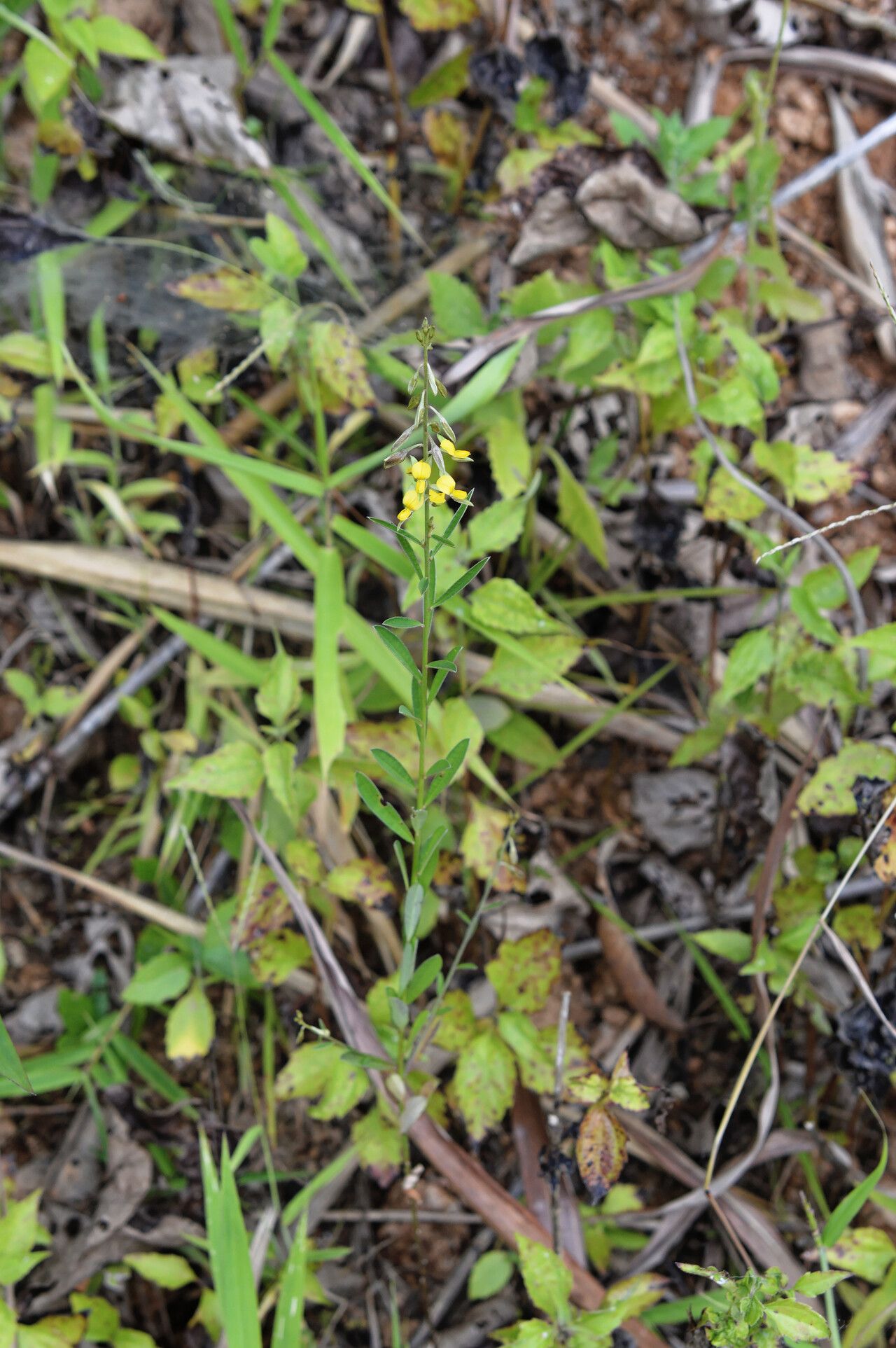
Crotalaria albida, also known as the white rattlepod or the white crotalaria, is a charming annual or short-lived perennial legume prized for its attractive, pea-like yellow flowers and its ability to improve soil fertility through nitrogen fixation. Its upright, bushy habit and relatively low maintenance make it a popular choice among gardeners, particularly those interested in attracting pollinators. While relatively easy to grow from seed under the right conditions, propagating Crotalaria albida can present certain unique challenges depending on the chosen method. This article explores the various techniques available for propagating this intriguing plant.
Seed Germination:
Seed germination is a viable method for propagating Crotalaria albida. However, success hinges on providing optimal conditions.
Challenges: Seeds can exhibit dormancy. The hard seed coat may hinder water uptake, delaying or preventing germination.
Practical Tips: Scarification (nicking the seed coat with a file or sandpaper) or soaking the seeds in warm water for 24-48 hours before sowing can significantly improve germination rates. Sow seeds directly in well-drained soil with plenty of sunlight. Maintain consistently moist (but not waterlogged) soil until germination, which typically occurs within 1-3 weeks. Optimum germination temperatures range from 20-25°C.
Rewards: Seed propagation offers the benefit of genetic diversity and allows for large-scale propagation, making it ideal for landscape projects or commercial cultivation.
Cuttings:
Currently, there are no known reliable methods for propagating Crotalaria albida from cuttings. This species does not readily root from stem or leaf cuttings.
Division:
Division is not a practical propagation method for Crotalaria albida as it is typically an annual or short-lived perennial with a somewhat shallow root system. Dividing the plant would likely severely damage it and reduce its chance of survival.
Tissue Culture:
While tissue culture is a potentially viable method for large-scale propagation of Crotalaria albida, it requires specialized equipment, expertise, and a controlled laboratory environment. This method is not typically accessible to the home gardener. Further research into optimal protocols for Crotalaria albida tissue culture is needed.
Conclusion:
Propagating Crotalaria albida presents a mix of challenges and rewards. While seed germination offers a viable and rewarding path towards successful propagation, overcoming seed dormancy requires patience and the correct techniques. Other methods such as cuttings and division are not practical. While tissue culture holds future potential, it remains currently inaccessible to most gardeners.
Despite the hurdles, the satisfaction of successfully cultivating this lovely plant from seed, contributing to its genetic diversity, and witnessing it thrive, makes the effort worthwhile. For aspiring propagators, remember patience, consistent moisture management, and proper seed preparation are key to achieving success with Crotalaria albida. The beautiful yellow blooms and the knowledge that you’ve nurtured life from seed will far outweigh the initial challenges.