Propagating Zephyranthes citrina: The Joy of Cultivating the Citrine Rain Lily
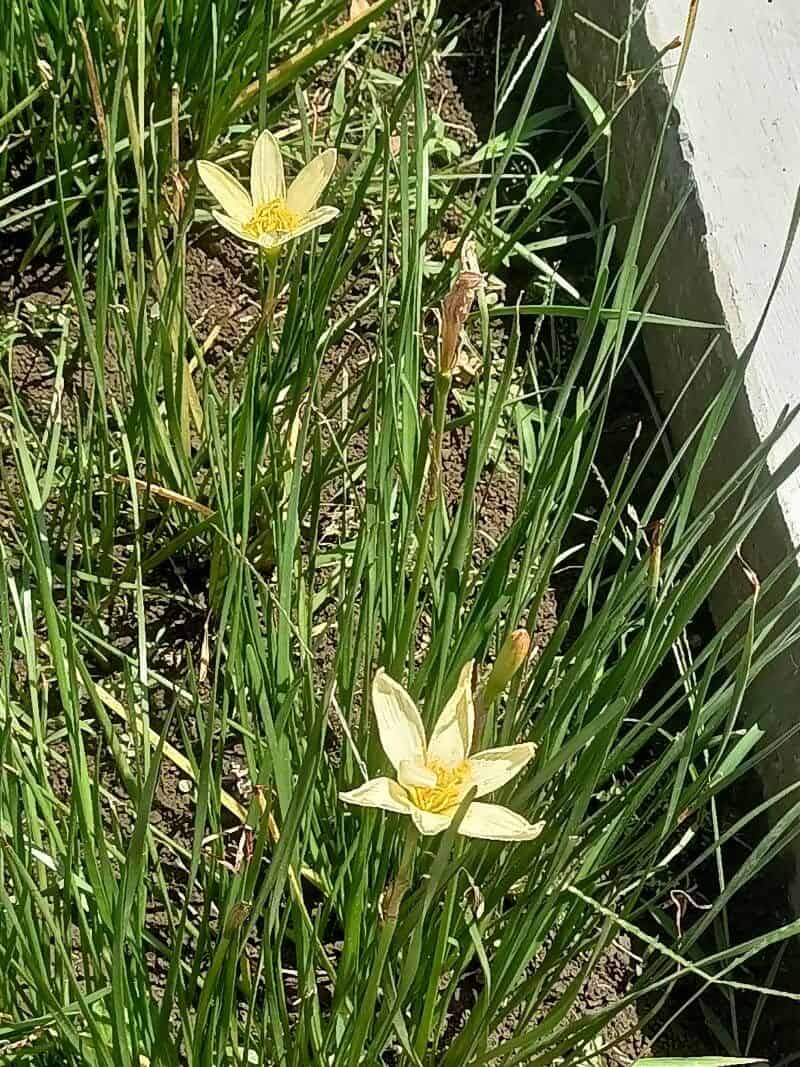
Zephyranthes citrina, commonly known as the citrine rain lily, is a delightful bulbous plant captivating gardeners with its vibrant, lemon-yellow flowers that emerge after rain. Its slender, grass-like leaves and relatively low maintenance requirements make it a popular choice for borders, rock gardens, and even containers. However, while its cultivation is straightforward, propagating this beauty presents unique challenges and rewards. This article explores various propagation methods for Zephyranthes citrina, weighing their effectiveness and difficulties.
Seed Germination:
Currently, there are no known reliable methods for seed germination propagation of Zephyranthes citrina. While the plant does produce seeds, germination rates are notoriously low, and successful seedling development is rarely achieved under typical gardening conditions. Further research into specific germination requirements, such as scarification or specific temperature and moisture regimes, may be necessary to unlock this propagation method.
Cuttings:
Cuttings are not a viable method for propagating Zephyranthes citrina. This plant relies on its bulb for survival and reproduction, and stem or leaf cuttings lack the necessary structures to develop into new plants.
Division:
Division is the most reliable and readily accessible method for propagating Zephyranthes citrina. This involves carefully separating the offsets (daughter bulbs) that naturally develop around the mother bulb.
- Challenges: Successfully dividing the bulbs requires careful handling to avoid damaging the delicate roots and the individual bulbs. Overcrowding can hinder growth, so divisions should be performed when the bulbs are relatively dormant.
- Practical Tips: Divide the bulbs in late summer or early autumn (after the flowering period) when the plant is beginning its dormancy. Gently lift the clump, using a garden fork to loosen the soil. Carefully separate the individual bulbs ensuring each has a healthy portion of roots. Replant the divided bulbs, ensuring good soil drainage.
- Rewards: Division offers a relatively quick and successful means of increasing your stock of citrine rain lilies. It maintains the genetic characteristics of the parent plant, ensuring uniformity across the propagated bulbs. This method allows for relatively large-scale propagation compared to other methods.
Tissue Culture:
Tissue culture propagation, a sophisticated laboratory technique, offers the potential for mass production of Zephyranthes citrina. However, this approach presents significant challenges.
- Challenges: Establishing a sterile environment and employing the precise techniques required for successful tissue culture is expensive and requires specialized knowledge and equipment. Development of optimized protocols for Zephyranthes citrina is needed, as the specific requirements for this plant may not be widely documented.
- Practical Tips: This method requires a laboratory setting with specialized equipment (autoclaves, laminar flow hoods) and expertise in plant tissue culture techniques.
- Rewards: If successful, tissue culture holds the promise for large-scale, rapid propagation of Zephyranthes citrina, potentially allowing for easier access and wider distribution of this lovely plant. Sterile propagation minimizes risk of disease and ensures uniformity.
Conclusion:
Propagating Zephyranthes citrina presents a mix of challenges and rewards. While seed germination remains elusive, division provides a straightforward and reliable method for home gardeners. Tissue culture offers the potential for mass production but necessitates expertise and resources beyond the capabilities of most hobbyists. The unique satisfaction of successfully propagating this beautiful plant, particularly through the more challenging methods, lies precisely in the meticulous care and patience required. For aspiring propagators, starting with division offers the surest path to success, paving the way for future exploration of more advanced techniques should they choose. The joy of witnessing these cheerful yellow blooms emerge from your own propagated bulbs is a testament to your horticultural dedication.