
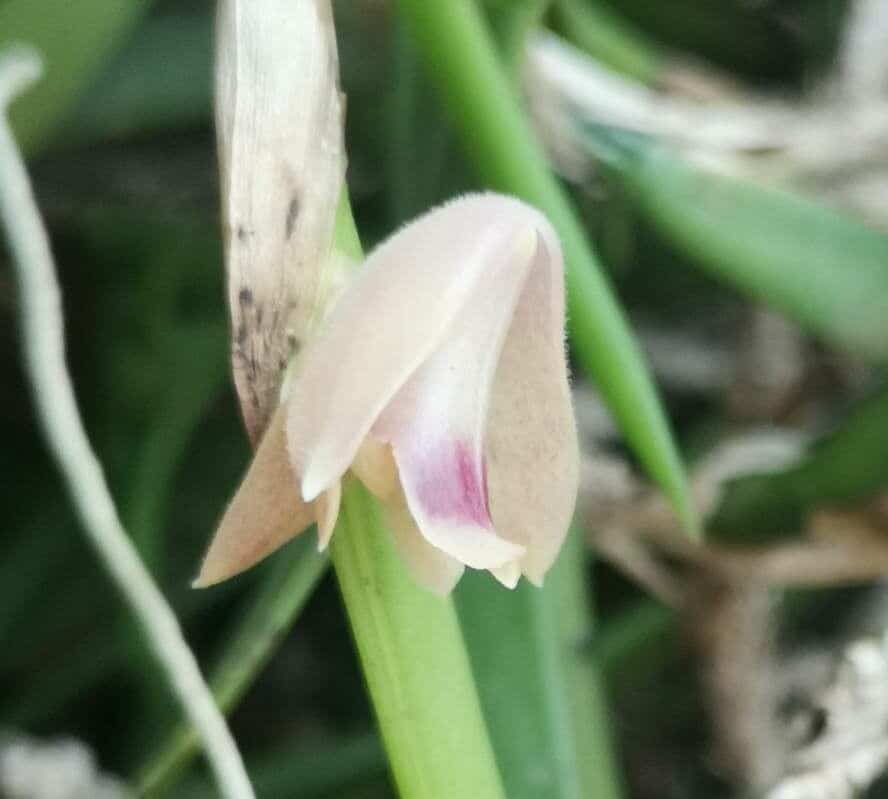
Unlocking the Secrets to Propagating the Exquisite Polystachya mystacioides Orchid
The world of orchids is filled with stunning diversity, and among these botanical treasures sits the captivating Polystachya mystacioides. This miniature epiphytic orchid, native to the rainforests of central and eastern Africa, boasts charming yellow-green flowers adorned with delicate purple markings. While its beauty enchants many, successfully propagating this species can seem shrouded in mystery. But fear not! This guide unlocks the secrets to multiplying your Polystachya mystacioides and expanding your orchid collection.
Understanding the Basics:
Before diving into the how-to, it’s vital to understand what makes Polystachya mystacioides tick:
- Epiphytic Nature: In their natural habitat, these orchids cling to trees, absorbing moisture and nutrients from the air and rainfall. Replicating this environment is key to successful propagation.
- Growth Habit: Polystachya mystacioides grows laterally, producing new shoots along a rhizome. This characteristic makes division the most effective method of propagation.
Propagation by Division:
Here’s a step-by-step guide to propagating your Polystachya mystacioides through division:
1. Timing is Everything: The optimal time for division is during the spring or early summer when the orchid is actively growing.
2. Choose a Healthy Plant: Select a mature plant with at least six healthy pseudobulbs. A pseudobulb is the thickened, bulbous part of the stem.
3. Gather Your Tools: You’ll need a sterilized cutting tool (pruning shears or a sharp knife), a fungicide, and appropriate potting materials like sphagnum moss, bark chips, or a specialized orchid mix.
4. Carefully Remove the Plant: Gently ease the orchid from its pot, taking care not to damage the roots.
5. Identify Division Points: Look for natural breaks along the rhizome where you can separate sections with at least three healthy pseudobulbs each.
6. Make the Cut: Using your sterilized tool, make clean cuts through the rhizome at the chosen division points.
7. Treat with Fungicide: Apply a fungicide to the cut surfaces to prevent infection.
8. Pot the Divisions: Plant each division in a well-draining pot with a suitable orchid medium, ensuring the base of the pseudobulbs sits slightly above the surface.
9. Provide Optimal Conditions: Place the newly potted divisions in a warm, humid environment with bright, indirect light. Water moderately, allowing the potting medium to dry slightly between waterings.
Additional Tips for Success:
- Be Patient: It may take several months for the divisions to become established and produce new growth.
- Maintain High Humidity: Providing adequate humidity is crucial, especially during the initial establishment phase. Consider using a humidifier or placing the pots on a tray filled with water and pebbles.
- Fertilize Regularly: Use a diluted, balanced fertilizer every other week during the growing season to provide essential nutrients.
By understanding the unique characteristics of Polystachya mystacioides and following these propagation techniques, you can unlock the joy of sharing this captivating orchid with fellow enthusiasts. Remember, patience and attention to detail are key to success. Happy propagating!