
From Seed to Bloom: Unlocking the Secrets of Crotalaria maypurensis Propagation
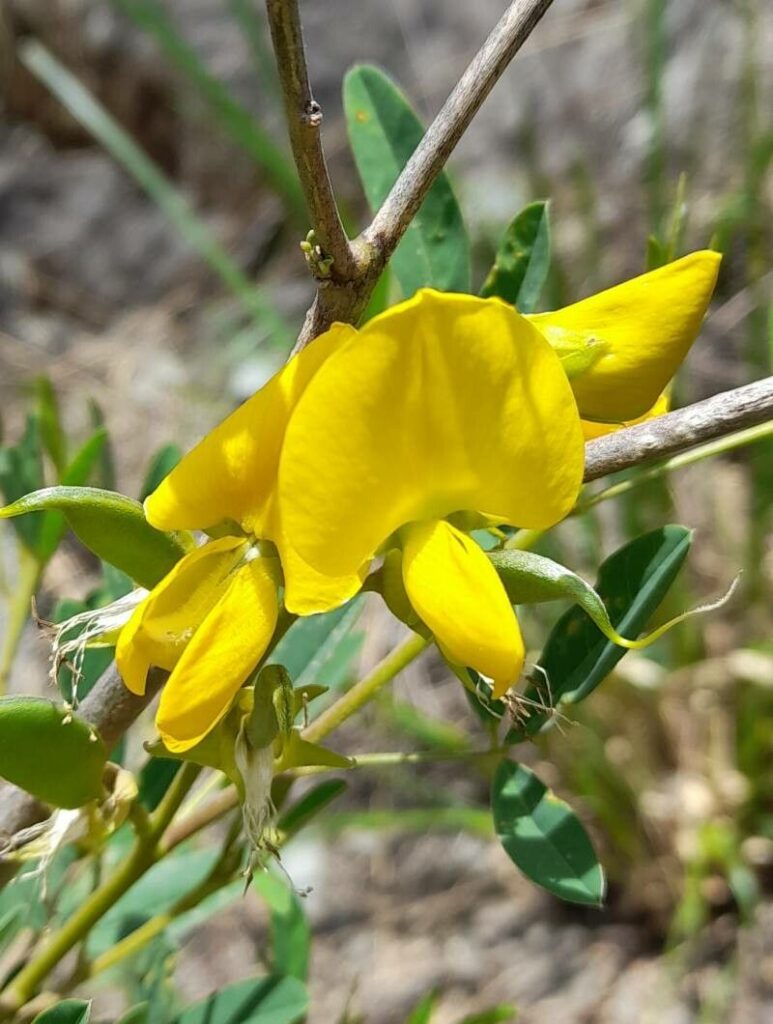
The Crotalaria maypurensis, with its vibrant yellow blooms and striking butterfly-attracting foliage, is a true showstopper in any garden. But beyond its beauty, this enchanting plant holds fascinating secrets when it comes to propagation. If you’re eager to grow your own patch of these captivating flowers, understanding how to propagate Crotalaria maypurensis is key.
This blog post will delve into the world of Crotalaria maypurensis propagation, exploring the different techniques, the best time to start, and essential tips for success.
Taking the Seed Route: A Direct Approach
Crotalaria maypurensis typically reproduces through seeds, making them a readily available and cost-effective option for propagation. Here’s what you’ll need to know:
- Harvesting the Seeds: Once the flowers fade, seed pods will appear, and turn brown and dry. Carefully collect these pods and allow them to dry completely. Once dry, you’ll find the seeds nestled inside.
- Preparing the Seedbed: Select a well-drained, sunny spot. For best results, use a seed tray with a good seed-starting mix. Lightly moisten the soil before planting the seeds.
- Sowing the Seeds: Scatter the seeds evenly on the surface of the soil. Gently press them into the soil, but don’t bury them too deep. Cover the tray with a clear plastic dome or cling wrap for humidity.
- Germination and Care: Seeds typically germinate within 2-3 weeks. Keep the soil consistently moist (not soggy), and ensure adequate sunlight. Once the seedlings have a few true leaves, they can be transplanted to individual pots or the garden.
Beyond Seeds: Exploring Vegetative Propagation
For those looking for faster results or seeking to preserve specific traits of their Crotalaria maypurensis, vegetative propagation offers a unique approach:
- Cuttings: Take stem cuttings from healthy, non-flowering stems. The cuttings should be about 4-6 inches long. Remove the lower leaves and dip the cut ends in rooting hormone. Place the cuttings in a rooting medium, keeping them consistently moist. Typically, roots develop within 4-6 weeks.
- Layering: This technique involves bending a stem to the ground, rooting it in the soil, and creating a new plant. Select a healthy stem and gently bend it towards the ground. Use a weight to hold the stem in place, ensuring the buried portion is in moist soil. Roots should form within a few weeks.
Timing is Everything: When to Propagate
The ideal time for propagating Crotalaria maypurensis depends on your chosen method:
- Seeds: While seeds can be sown year-round in warm climates, the best time for sowing in cooler areas is during the spring.
- Cuttings: Spring and early summer are the most successful times for taking cuttings.
- Layering: Spring or early summer is also ideal for layering.
Success Factors and Tips:
- Soil: A well-drained soil with good aeration is crucial.
- Sunlight: Crotalaria maypurensis thrives in full sun.
- Watering: Keep the soil consistently moist while the plants establish themselves.
- Fertilizer: A balanced fertilizer can help promote healthy growth, especially during the growing season.
- Pest and Disease Control: Be sure to monitor your plants for pests and diseases. Remove any infected leaves or stems immediately.
Conclusion
Cultivating Crotalaria maypurensis can be an enriching experience, offering beautiful blooms and the satisfaction of creating new plants. Whether you opt for seeds, cuttings, or layering, understanding the nuances of propagation can set you up for success. So, embrace the journey, and let the vibrant spirit of the Crotalaria maypurensis fill your garden with life and color!