
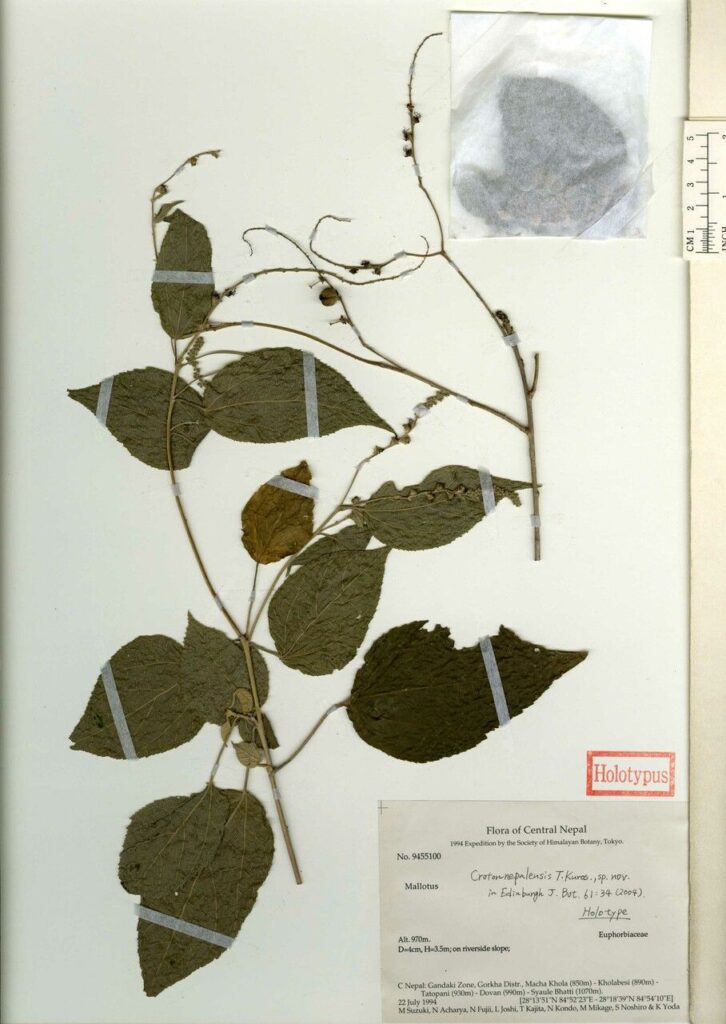
Unlocking the Secrets of Croton nepalensis: A Guide to Propagation
The vibrant foliage of Croton nepalensis, with its intricate patterns of green, yellow, and red, is a captivating sight. But did you know that you can easily create more of these stunning plants from cuttings? This blog post will guide you through the fascinating world of Croton nepalensis propagation, taking you from simple cuttings to thriving new plants.
Why Propagate Croton nepalensis?
Beyond their beauty, Croton nepalensis are incredibly resilient plants that can tolerate a wide range of conditions. Propagating them from cuttings allows you to:
- Multiply your collection: Expand your garden with multiple plants without the expense of purchasing new specimens.
- Preserve unique cultivars: Ensure the continued existence of rare or particularly beautiful varieties.
- Share the joy: Gifts of propagated plants are a beautiful and thoughtful way to share your love of gardening with friends and family.
The Art of Croton nepalensis Propagation:
Croton nepalensis are best propagated using stem cuttings. This method involves taking a section of healthy stem and encouraging it to develop roots. Here’s a step-by-step guide:
- Choose Your Cutting:
- Select a non-flowering, healthy stem with several nodes (where leaves sprout) and at least 4-6 inches in length.
- Use sharp, sterile pruning shears or a knife to make a clean cut just below a node.
- Prepare the Cutting:
- Remove any leaves from the lower 2-3 nodes.
- Dip the cut end of the stem in a rooting hormone powder, which helps stimulate root development.
- Create Your Growing Medium:
- A mixture of equal parts peat moss and perlite is ideal for good drainage and water retention. Fill small pots or trays with this mix.
- Plant the Cuttings:
- Gently insert your cuttings into the potting mix, ensuring at least 2 nodes are buried.
- Water the cuttings thoroughly, keeping the soil moist but not soggy.
- Provide the Right Conditions:
- Place the cuttings in a bright, indirect light location, ideally with temperatures around 70-75 degrees Fahrenheit.
- Cover the cuttings with a plastic dome or a glass jar to create a humid environment. This helps retain moisture and speeds root development.
- Patience is Key:
- Regular misting and proper ventilation are crucial to prevent fungal growth.
- Rooting can take anywhere from 4 to 8 weeks. Check for new growth and signs of rooting (callousing at the base of the cutting) as indicators of progress.
- Transitioning to Independence:
- Once your cuttings have developed a good root system, carefully remove them from the plastic cover and start acclimating them to more direct sunlight.
- Transplant your new cuttings into individual pots with fresh potting mix, and continue to monitor their growth.
Tips for Success:
- Timing Matters: The best time to propagate Croton nepalensis is during the spring and summer months when temperatures are warm and humidity is high.
- Cleanliness is Key: Always sterilize your cutting tools to prevent the spread of disease.
- Patience Pays Off: Croton nepalensis can be slightly temperamental, so don’t be discouraged if it takes a little longer for your cuttings to root.
Sharing the Beauty:
Propagating Croton nepalensis is a rewarding experience that allows you to share the beauty and resilience of these plants with others. With a little patience and practice, you can create your own thriving collection of these vibrant plants, adding pops of color and life to your home or garden.