
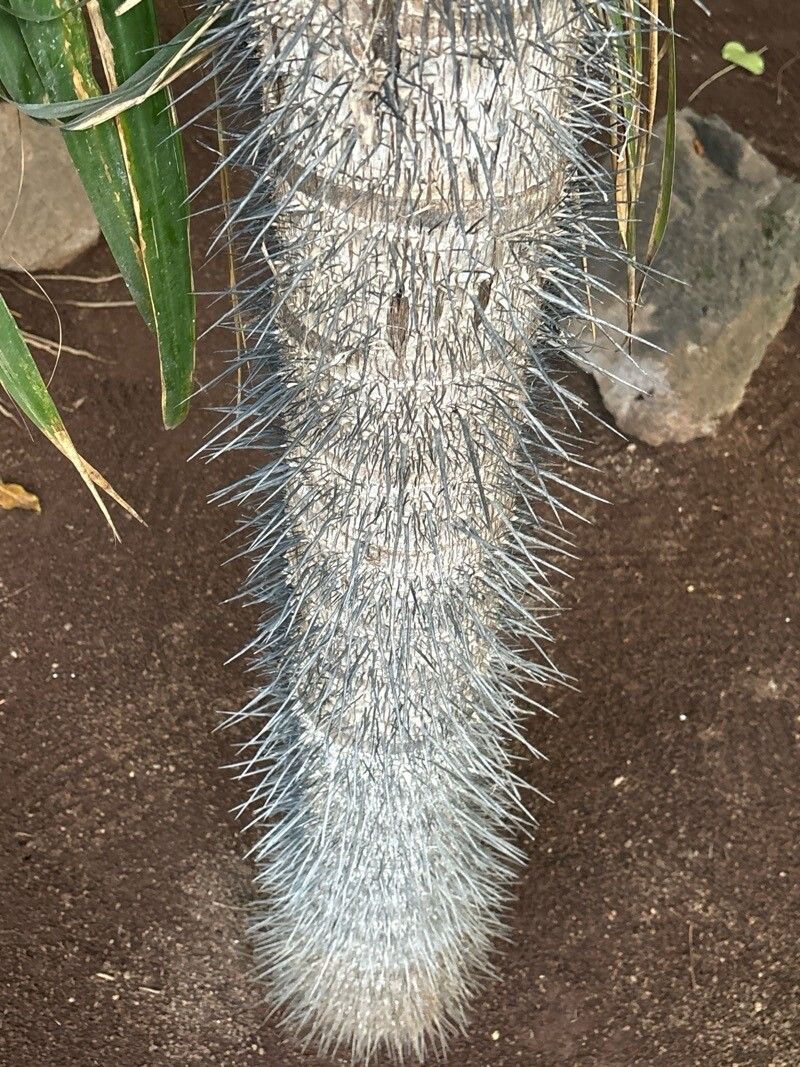
Unveiling the Secrets: Propagating the Majestic Root Spine Palm (Cryosophila warscewiczii)
The Root Spine Palm (Cryosophila warscewiczii), with its intriguing root system resembling a bed of spines, is a spectacle to behold. This unique palm, native to the rainforests of Central America, evokes curiosity and admiration among plant enthusiasts. While obtaining a mature specimen can be challenging, propagating your own Root Spine Palm offers a rewarding journey for those who dare to delve into the world of palm propagation.
Challenges and Triumphs: Understanding the Propagation Process
Propagating the Root Spine Palm primarily relies on seed germination, a process that requires patience and a touch of green thumb magic. While the palm occasionally produces offsets, these are less common and might not always guarantee success.
1. Seed Selection and Preparation:
- Source: Sourcing viable seeds is paramount. Seek reputable seed suppliers specializing in palm varieties.
- Freshness: Opt for fresh seeds, as older seeds tend to have lower germination rates. Look for plump, healthy seeds without any signs of damage or discoloration.
- Pre-sowing Treatment: Soak the seeds in lukewarm water for 24 hours. This helps soften the tough outer shell, encouraging quicker germination.
2. Creating the Perfect Germination Environment:
- Medium: A well-draining, airy medium is crucial. A mix of peat moss, perlite, and vermiculite in equal parts works effectively.
- Containers: Choose small, individual pots (4-6 inches) to provide adequate space for root development while preventing overwatering.
- Moisture: Keep the medium consistently moist but not waterlogged. Overwatering can lead to seed rot, hindering germination.
- Warmth: Root Spine Palm seeds thrive in warmth. Maintain a consistent temperature of around 80-85°F (27-29°C) using a seedling heat mat or a warm, bright location.
- Light: While seeds don’t require direct sunlight during germination, providing bright, indirect light will encourage healthy growth once they sprout.
3. Patience is Key: The Waiting Game
Germination times for Root Spine Palm seeds can vary significantly, ranging from a few weeks to several months. Don’t be discouraged by slow progress; maintain optimal conditions and you’ll eventually be rewarded with tiny palm seedlings.
4. Nurturing the Seedlings:
- Transplanting: Once seedlings develop a few true leaves, transplant them into larger containers (6-8 inches) using a well-draining potting mix.
- Light: Gradually acclimate seedlings to brighter light conditions, mimicking their natural filtered sunlight environment.
- Watering: Water consistently, allowing the topsoil to dry slightly between waterings.
- Fertilizing: Provide a balanced, diluted liquid fertilizer every 4-6 weeks during the growing season to support healthy development.
Reaping the Rewards of Propagation:
Successfully propagating your own Root Spine Palm offers immense satisfaction and a deeper connection with this remarkable species. Witnessing the transformation from tiny seed to thriving palm is a testament to your dedication and a reminder of nature’s captivating growth process.
A Note of Patience: Remember, propagating the Root Spine Palm requires time and commitment. But with the right knowledge and a sprinkle of patience, you can cultivate these botanical treasures and add a touch of tropical allure to your own plant sanctuary.