
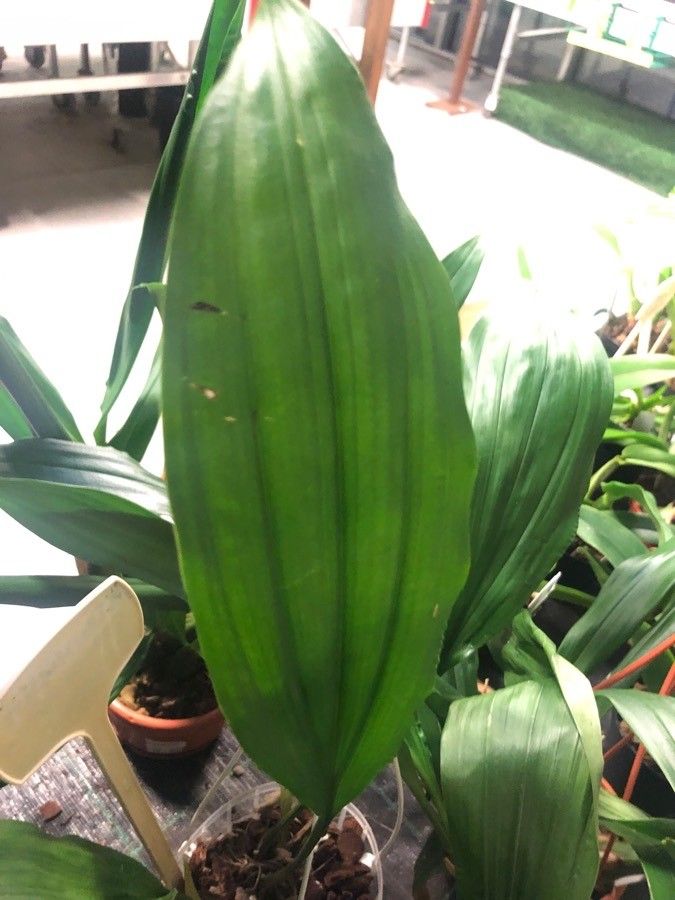
Unlocking the Secrets of Stanhopea grandiflora Propagation: A Guide to Growing These Orchid Beauties
Stanhopea grandiflora, with its cascading waterfalls of fragrant, otherworldly blooms, is a sight and scent to behold. Often referred to as “Holy Ghost” orchids due to their unique flower structure, these epiphytes captivate with their short-lived but spectacular floral displays. If you’re ready to accept the challenge of cultivating these exquisite orchids, understanding propagation is key to expanding your collection and sharing the joy of these botanical wonders.
Understanding the Stanhopea Grandiflora
Native to the rainforests of Central and South America, Stanhopea grandiflora thrives in warm, humid environments. Unlike many orchids that grow upwards, Stanhopeas develop pendulous flower spikes that emerge from the bottom of their baskets, creating a dramatic cascade of blooms. Understanding their natural habitat and growth habit is essential for successful propagation.
While growing Stanhopea grandiflora from seed is possible, it requires specialized knowledge and equipment. For hobbyists, the most common and accessible methods of propagation are:
Division: Over time, mature Stanhopea plants will form clusters of pseudobulbs. Division is best carried out during repotting when the plant has finished flowering.
- Carefully remove the plant from its pot.
- Using a sterile cutting tool, divide the rhizome, ensuring each section has at least 3-4 healthy pseudobulbs with active roots.
- Plant the divisions in individual baskets with a well-draining orchid mix, ensuring the base of the pseudobulbs sits slightly above the potting media’s surface.
Backbulb Propagation: Stanhopea orchids produce backbulbs, older pseudobulbs that have lost their leaves but still contain energy reserves. While it takes longer, these backbulbs can sprout new growths.
- Gently remove any dried sheaths covering the backbulb.
- Place the backbulb on a bed of moist sphagnum moss in a shallow tray.
- Cover the tray with a clear lid or plastic wrap to create a humid environment.
- Place the tray in a warm, well-lit area but out of direct sunlight.
- New growths should emerge from the base of the backbulb. Once these have developed roots, pot them in an orchid mix.
Post-Propagation Care:
- Light: Provide bright, indirect light. Avoid direct sunlight, which can scorch their leaves.
- Water: Water thoroughly when the potting mix approaches dryness. Ensure good drainage to prevent root rot.
- Humidity: Aim for humidity levels of 60% or higher. Use a humidifier, pebble tray, or mist regularly.
- Temperature: Maintain warm temperatures between 70-85°F (21-29°C) during the day and slightly cooler at night.
- Fertilizer: Use a balanced orchid fertilizer diluted to half strength every other week during the growing season.
Propagating Stanhopea grandiflora requires patience and a gentle touch. By understanding these methods and providing the proper care, you can increase your chances of success and enjoy the captivating beauty of these orchids for years to come.