
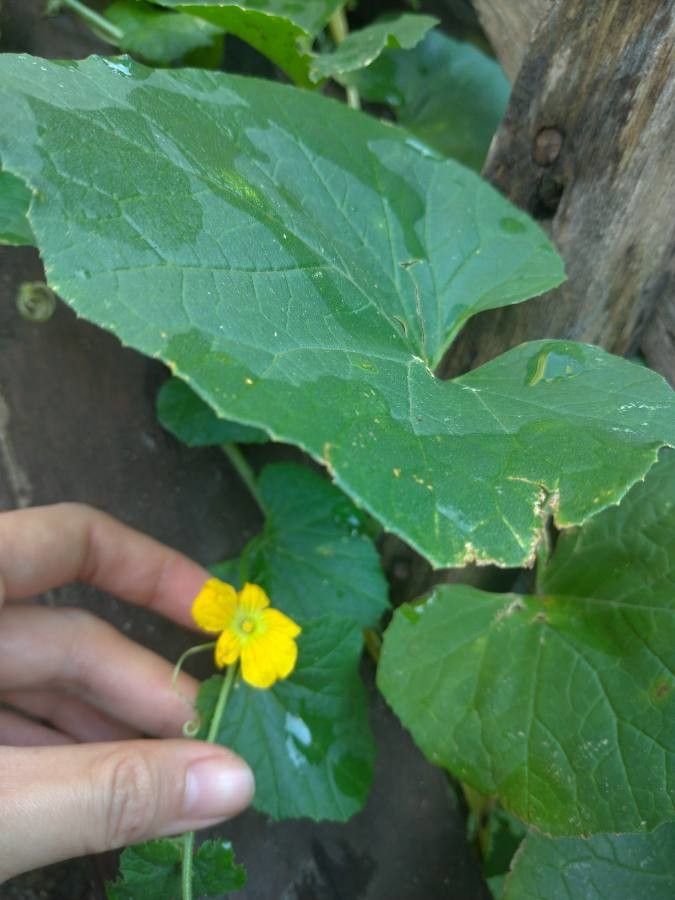
Taming the Wild Melon: A Guide to Propagating Cucumis engleri
The world of plants extends far beyond familiar roses and tomatoes. Delve a little deeper, and you’ll find fascinating species like Cucumis engleri, a wild melon native to Africa. Intrigued? If you’re looking for a unique addition to your garden or a rewarding propagation challenge, read on!
Understanding the Wild Side: Unlike its domesticated cousin, the cucumber, Cucumis engleri is known for its resilience and adaptability. This climbing vine boasts beautiful yellow flowers and produces small, spiny fruits. While not typically eaten raw, these fruits hold potential for medicinal uses and are a source of food for wildlife.
Seeds of Success: The Ins and Outs of Propagation
Propagating Cucumis engleri is best achieved through seeds. Here’s how to maximize your chances of success:
-
Sourcing Seeds: While not commonly found in garden centers, Cucumis engleri seeds can be sourced online from reputable seed suppliers specializing in rare and exotic plants.
-
Preparing for Germination:
- Scarification: The tough outer layer of the seed coat can hinder germination. Gently rub the seeds between two pieces of sandpaper or nick them with a nail clipper to encourage water absorption.
- Soaking: Soak the seeds in lukewarm water for 24 hours to enhance germination rates.
-
Sowing:
- Time: Spring, after the last frost, is ideal for sowing.
- Medium: Use a well-draining seed-starting mix or a blend of peat moss, perlite, and vermiculite.
- Depth: Sow seeds about ½ inch deep in seed trays or individual pots.
- Environment: Maintain a warm temperature (70-85°F), high humidity, and provide indirect sunlight. You can use a heating mat and humidity dome to create optimal conditions.
-
Transplanting:
- Timing: After 4 to 6 weeks, once seedlings develop a few true leaves, transplant them into larger pots or directly into the garden.
- Support: Provide a sturdy trellis or support system for the vines to climb.
Nurturing Your Wild Melon:
- Light: Ample sunlight is crucial. Choose a sunny location in your garden or provide adequate artificial light indoors.
- Water: Water regularly, ensuring the soil remains consistently moist but not waterlogged.
- Fertilizer: Apply a balanced, diluted fertilizer every two weeks during the growing season.
Challenges and Rewards:
While Cucumis engleri is generally pest-resistant, be vigilant against common garden pests like aphids and spider mites. Be patient, as this plant thrives in warm environments and might take time to establish itself.
The reward for your efforts? A stunning, exotic vine adorned with vibrant flowers, attracting pollinators and adding a touch of the wild to your garden. So, why not embrace the challenge and embark on the rewarding journey of propagating Cucumis engleri? You might just discover a new passion for the diverse and fascinating world of wild plants!