
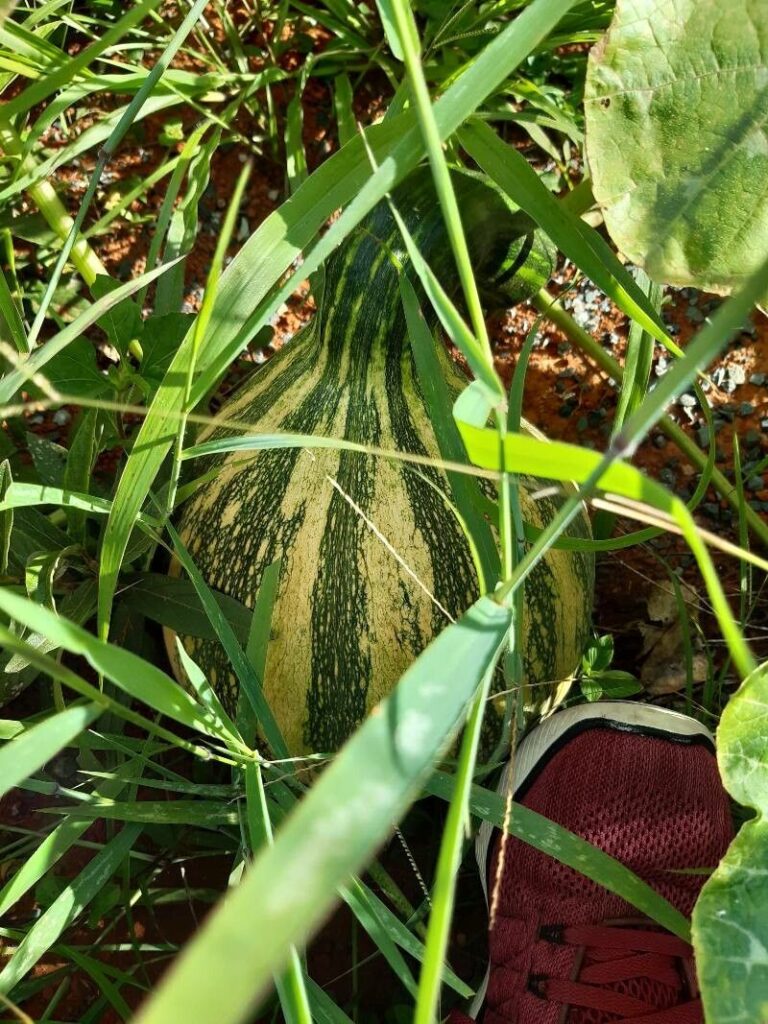
Seeding Success: A Guide to Growing Cushaw Squash From Seed
Cushaw squash (Cucurbita argyrosperma), with its distinctive curved neck and vibrant green and white striped skin, is a beautiful and rewarding addition to any garden. Beyond its stunning appearance, this versatile squash boasts a sweet, nutty flavor that shines in pies, soups, and even candies. Ready to cultivate your own cushaw bounty? Let’s explore the world of propagating this unique squash variety.
Sowing the Seeds of Success: Direct Sowing vs. Starting Indoors
Cushaw squash, a warm-season crop, thrives in hot temperatures and ample sunlight. While direct sowing is an option in warmer climates, starting seeds indoors provides a head start and is often preferred for shorter growing seasons. Here’s a breakdown of both methods:
Direct Sowing:
- When: Sow seeds directly into the garden 2-3 weeks after the last frost when soil temperatures have reached a consistent 70°F (21°C).
- Where: Choose a sunny location with well-drained soil. Amend the soil with compost before planting to provide essential nutrients.
- How: Plant seeds 1 inch deep and 2-3 feet apart, ensuring each plant has ample space to sprawl. Water well after planting.
Starting Indoors:
- When: Begin seeds indoors 4-6 weeks before the last expected frost.
- What: Utilize peat pots or biodegradable seed starting containers to minimize root disturbance during transplanting.
- How: Fill containers with seed starting mix, sow seeds ½ inch deep, and water gently. Place in a sunny location or under grow lights, maintaining a temperature around 70-75°F (21-24°C).
- Transplanting: Harden off seedlings gradually by introducing them to outdoor conditions for a week before transplanting into the garden. Plant at the same spacing as direct-sown seeds.
Nurturing Your Cushaw Squash: Water, Sun, and Nutrients
Proper care is crucial for vigorous cushaw squash growth and a bountiful harvest:
- Watering: Cushaws prefer consistently moist soil but avoid overwatering, which can lead to root rot. Water deeply at the base of the plant, ideally in the morning to allow foliage to dry.
- Sunlight: These sun-loving squash require a minimum of 6 hours of direct sunlight daily for optimal growth and fruit production.
- Soil and Nutrients: Maintain soil fertility by amending with compost or an organic fertilizer throughout the growing season.
Troubleshooting Pests and Diseases
While generally a resilient plant, cushaw squash can encounter a few common challenges:
- Squash Vine Borers: These pests can decimate plants. Monitor for signs of infestation, such as wilting vines, and take swift action, which may include using insecticidal soap or physically removing borers.
- Powdery Mildew: This fungal disease appears as a powdery white substance on leaves. Provide adequate air circulation by spacing plants appropriately and treat with a fungicide if necessary.
Harvesting Your Cushaw Bounty
Cushaws are ready for harvest approximately 100 days after planting, depending on the variety. Look for hard rinds that are resistant to puncture and a deep, uniform color. Cut squash from the vine, leaving a few inches of stem attached.
Growing cushaw squash from seed is an enriching experience that rewards you with beautiful, delicious squash. By following these propagation tips and providing attentive care, you’ll be well on your way to enjoying a plentiful harvest!