
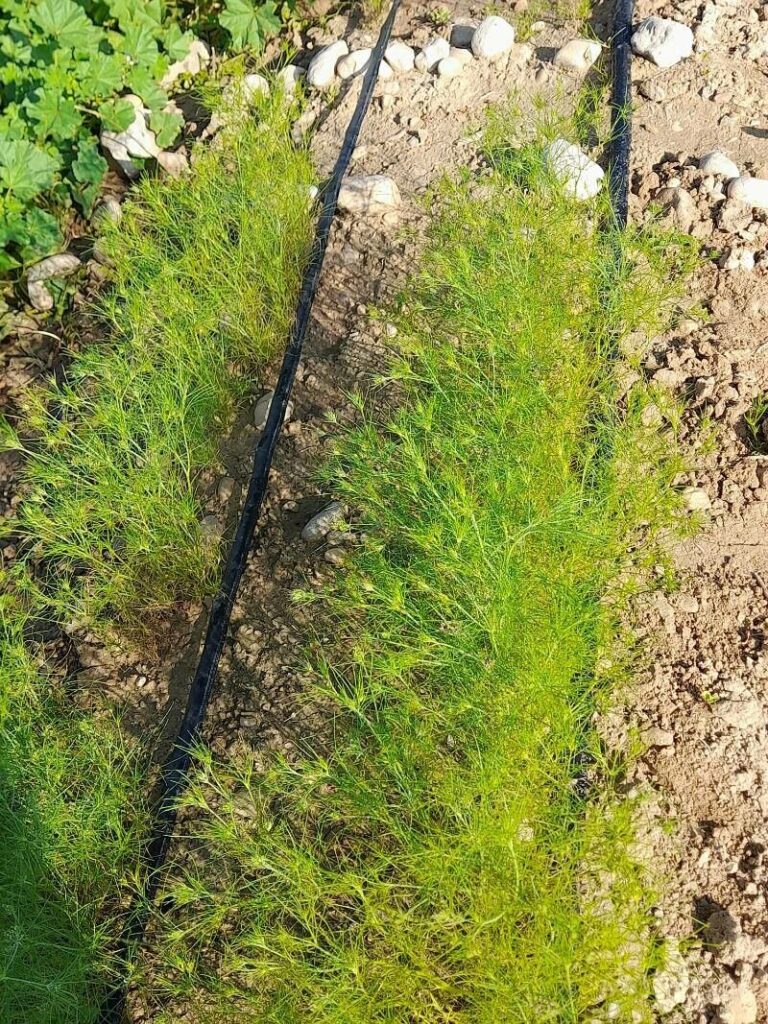
Spice Up Your Garden: A Guide to Growing Cumin from Seed
Cumin (Cuminum cyminum) – the warm, earthy spice that elevates countless dishes from chili to curry – isn’t just a grocery store staple. This ancient spice, a member of the parsley family, can be grown in your own backyard, adding a touch of exotic beauty and culinary delight to your garden. While you can find cumin seedlings at some nurseries, starting from seed is a rewarding and economical way to cultivate this flavorful herb.
Sowing the Seeds of Success
Cumin thrives in warm climates with plenty of sunshine. If you live in USDA hardiness zones 8-11, you can sow seeds directly into the garden after the last frost. For cooler regions, starting seeds indoors 6-8 weeks before the last frost is recommended.
Here’s what you need:
- Seed starting mix: Opt for a well-draining mix specifically designed for seed starting.
- Small pots or seed trays: Ensure they have drainage holes.
- Spray bottle: For gently misting the soil.
- Sunny location: A south-facing windowsill is ideal.
- Patience: Cumin seeds can be slow to germinate, taking anywhere from 1 to 3 weeks.
Steps for Starting Cumin Seeds:
- Fill your pots or trays: Fill with seed starting mix, leaving a small gap at the top.
- Sow the seeds: Sprinkle seeds thinly over the surface. Cumin seeds need light to germinate, so don’t bury them deeply. Just press them lightly into the soil.
- Mist generously: Use a spray bottle to moisten the soil without dislodging the seeds.
- Provide warmth and light: Place the pots in a sunny, warm location. Aim for a consistent temperature around 70-75°F (21-24°C).
- Keep the soil moist: Check the soil daily and mist when the top layer feels dry. Avoid overwatering, which can lead to fungal issues.
- Transplant outdoors: Once the seedlings have at least two sets of true leaves and all danger of frost has passed, harden them off gradually before transplanting into your garden.
Transplanting and Beyond:
Choose a sunny spot in your garden with well-drained soil. Cumin prefers a slightly acidic to neutral pH. Space seedlings about 6-8 inches apart to allow for good air circulation.
Caring for Your Cumin Plants:
Cumin is relatively low-maintenance. Here are some key care tips:
- Watering: Water regularly, especially during dry periods, but avoid soggy soil.
- Fertilizing: Cumin doesn’t require heavy feeding. Amending the soil with compost before planting will provide sufficient nutrients.
- Weeding: Keep the area around your plants weed-free to prevent competition for resources.
Harvest Time:
In about 4 months, your cumin plants will start to flower, followed by the formation of seed pods. Harvest the seed pods when they turn brown and dry on the plant. Thresh the pods to release the aromatic cumin seeds.
Growing your own cumin is a rewarding experience that allows you to enjoy the freshest, most flavorful spice possible. With a little patience and care, you’ll be harvesting your own homegrown cumin, adding a touch of homegrown magic to your culinary creations.