
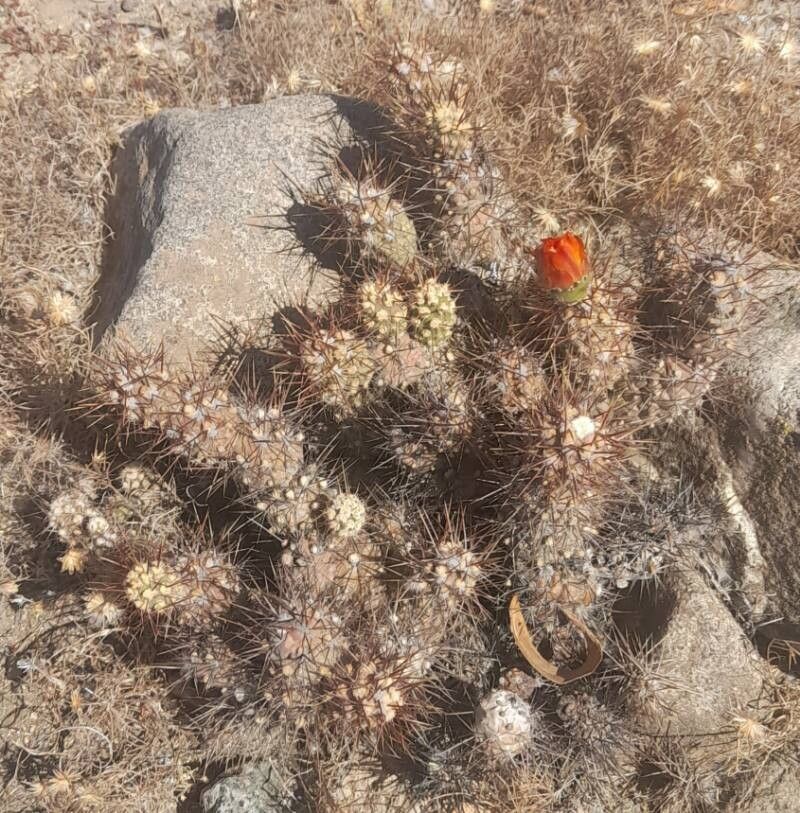
Propagating Cumulopuntia leucophaea: A Gardener’s Guide to the White-Spined Cactus
Introduction:
Cumulopuntia leucophaea, commonly known as the white-spined cloud cactus or white-spined chain-fruit cholla, is a captivating succulent prized for its striking, densely packed, white spines and its ability to form impressive, sprawling clumps. Its unique appearance and relatively low maintenance requirements have made it a popular choice among cactus enthusiasts. However, propagation, while achievable, presents several challenges, making successful cultivation all the more rewarding. This article explores various methods for propagating Cumulopuntia leucophaea, weighing their pros and cons.
Seed Germination:
Currently, there are no known reliable methods for seed germination propagation of Cumulopuntia leucophaea. While seeds may be produced, germination rates are notoriously low, and even with optimal conditions, success remains unpredictable. Further research into specific germination requirements, such as scarification techniques or hormone treatments, is needed.
Cuttings:
Cuttings are the most successful and widely used method for propagating Cumulopuntia leucophaea.
Challenges: The main challenge lies in preventing rot. The fleshy pads are susceptible to fungal infections if not allowed to callous properly before planting.
Practical Tips: Take cuttings from healthy, mature pads during the growing season (spring or summer). Allow the cut ends to dry and callous over for several days to a week. Plant the cuttings in well-draining cactus potting mix, ensuring only the bottom portion is buried. Avoid overwatering; allow the soil to dry completely between waterings. A lightly shaded, warm environment is ideal.
Rewards: Cuttings offer a relatively quick and straightforward method of propagation, allowing for the rapid increase of the plant population.
Division:
Division is a viable method, particularly for larger, established plants.
Challenges: Carefully separating the pads without damaging them is crucial. Overly aggressive division can lead to injury and subsequently, rot.
Practical Tips: Divide the plant during the growing season to minimize stress. Use a sharp, clean knife or shears to separate the pads, ensuring each section has sufficient roots. Plant the divisions in well-draining potting mix, avoiding overwatering as with cuttings.
Rewards: Division provides a fast way to increase the number of plants, preserving desirable genetic traits of the parent plant.
Tissue Culture:
Tissue culture is a less common but potentially highly effective method, especially for large-scale propagation or the preservation of rare genetic variants.
Challenges: This method requires specialized equipment, a sterile environment, and expertise in plant tissue culture techniques. It’s not a feasible option for the average home gardener.
Practical Tips: Sterilize all tools and materials rigorously. Use a suitable growth medium and hormones to induce shoot and root development. Maintain a sterile environment to prevent contamination.
Rewards: Tissue culture offers the potential to propagate a large number of plants from a small tissue sample, preserving genetic uniformity. It could also be utilized to rescue damaged or diseased plants.
Conclusion:
Propagating Cumulopuntia leucophaea presents unique challenges, primarily due to the plant’s susceptibility to rot. While seed germination remains unreliable, cuttings and divisions offer practical and successful methods for most enthusiasts. Tissue culture provides an advanced option for large-scale or specialized propagation but demands significant expertise and resources. The satisfaction of successfully propagating this beautiful cactus, particularly through overcoming the difficulties of preventing rot, is a considerable reward for the dedicated gardener. Remember, patience and attention to detail are key to success – don’t be discouraged by initial setbacks. The unique beauty and resilience of Cumulopuntia leucophaea make the effort well worthwhile.