
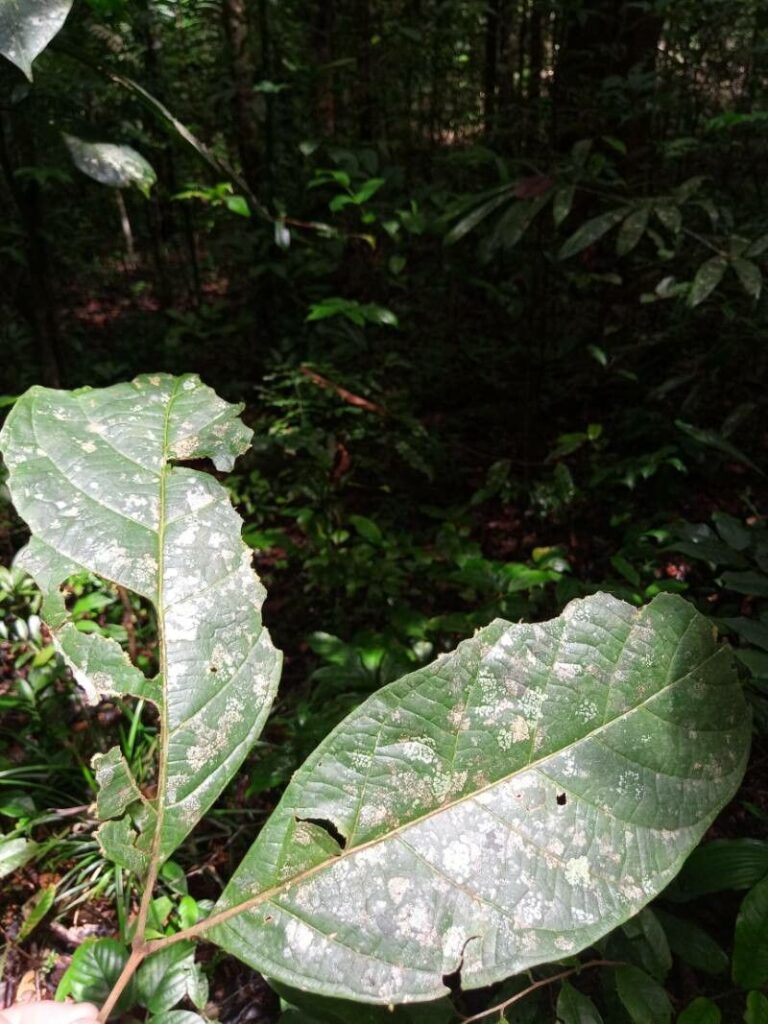
Propagating Cupania diphylla: A Gardener’s Challenge and Reward
Introduction:
Cupania diphylla, commonly known as the rattlebox or mamoncillo (although the latter is often associated with Melicoccus bijugatus), is a striking tropical tree prized for its attractive foliage and potentially edible fruit (although edibility varies depending on the specific cultivar). Its glossy, dark green leaves create a dense canopy, making it a popular choice for landscaping in warmer climates. However, propagating this species presents several challenges, making successful cultivation a rewarding experience for dedicated gardeners. Its unique reproductive characteristics necessitate exploration of various propagation methods to achieve success.
Seed Germination:
Currently, there are no known reliable methods for seed germination propagation of Cupania diphylla. While seeds are produced, their germination rate is notoriously low, and consistent success has yet to be documented in readily available horticultural literature. Further research into seed pre-treatment techniques and specific environmental conditions might be needed to unlock this propagation method.
Cuttings:
Cuttings represent a more promising approach to propagating Cupania diphylla. However, challenges remain.
- Challenges: Hardwood cuttings are likely to be the most successful, but rooting hormones are essential to stimulate callus formation and root development. The success rate can be quite low, and the process requires patience and attention to detail. Furthermore, the cuttings need to be taken from healthy, mature wood.
- Practical Tips: Take semi-hardwood or hardwood cuttings in late summer or early autumn. Use a sharp, clean knife or shears to prevent disease transmission. Dip the cuttings in a rooting hormone solution before planting approximately two-thirds of the cutting length into a well-draining propagation mix (e.g., perlite and vermiculite). Keep the cuttings consistently moist, but not waterlogged, and maintain high humidity levels (e.g., using a humidity dome).
- Rewards: Successful rooting from cuttings offers the benefit of retaining the exact genetic clone of the mother plant. This is advantageous if propagating a particularly desirable cultivar.
Division:
Division is not a feasible method for propagating Cupania diphylla. This tree has a single, established root system and cannot be effectively divided into smaller, independently viable plants.
Tissue Culture:
Tissue culture offers a potential, albeit specialized, method for propagating Cupania diphylla.
- Challenges: Establishing sterile cultures and maintaining optimal growth conditions in a laboratory setting requires specific expertise and equipment. This method is expensive and time-consuming.
- Practical Tips: This method requires specialized knowledge in plant tissue culture techniques, including sterilization procedures, media preparation, and growth regulation. Researchers or commercial laboratories with experience in this area would be best suited to attempt this method.
- Rewards: Tissue culture allows for mass production of genetically identical plants, overcoming the low success rates of other methods. It provides clean stock free from diseases and can be used to conserve rare or endangered varieties.
Conclusion:
Propagating Cupania diphylla presents a unique set of horticultural challenges. While seed germination has proven unreliable, cuttings offer a more achievable route, albeit with a modest success rate. Tissue culture provides a potential pathway for large-scale propagation, but its high cost and specialized requirements limit its accessibility to the average gardener. The difficulties inherent in propagating this attractive tree only enhance the satisfaction derived from successfully cultivating it. For aspiring propagators, patience, persistence, and attention to detail are crucial. Experimentation with different cuttings procedures and employing high-quality rooting hormones significantly increases the chances of attaining viable plants. The reward of successfully growing a Cupania diphylla from a cutting or through tissue culture is a testament to the gardener’s dedication and a beautiful addition to any tropical garden.